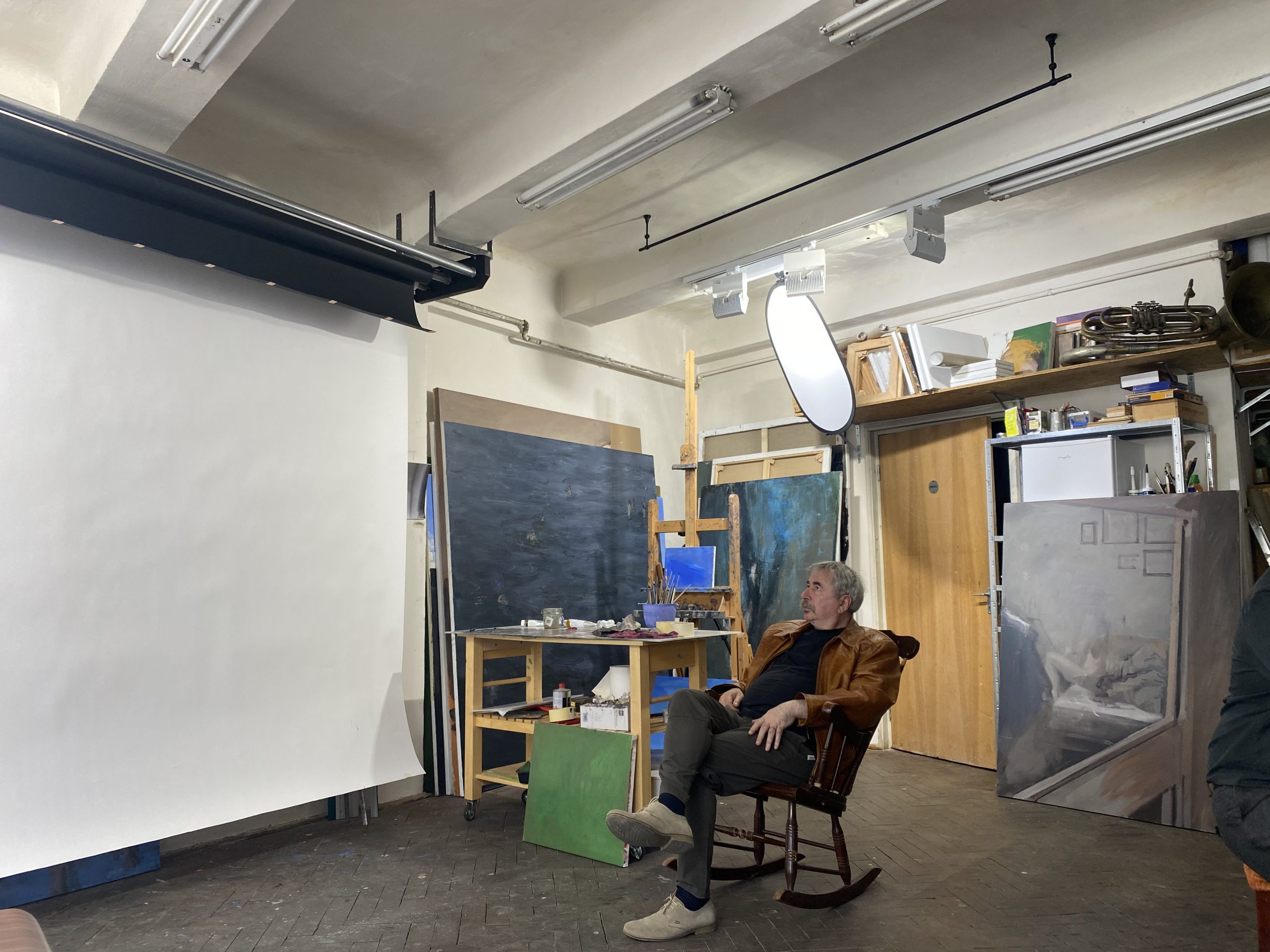
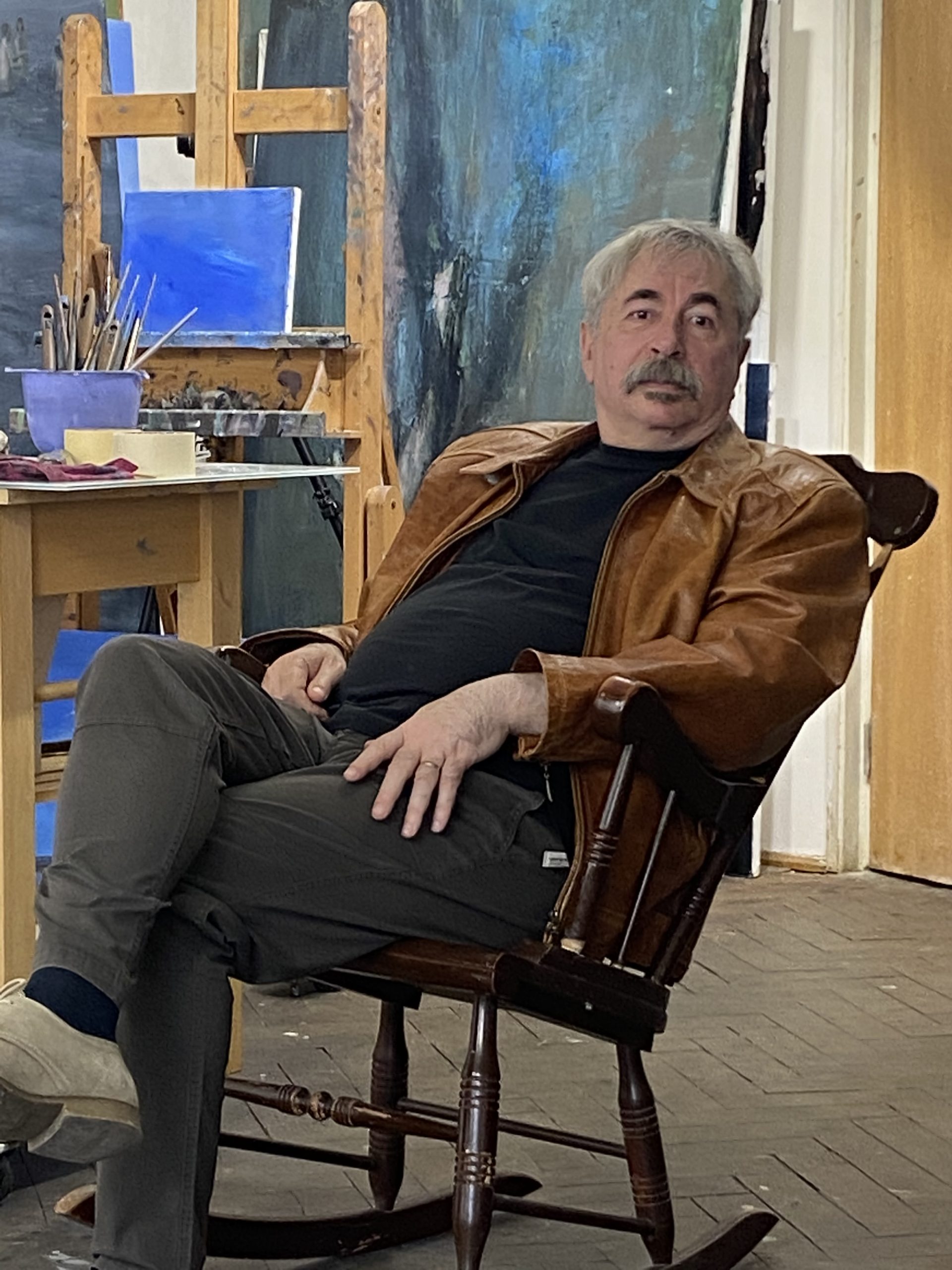
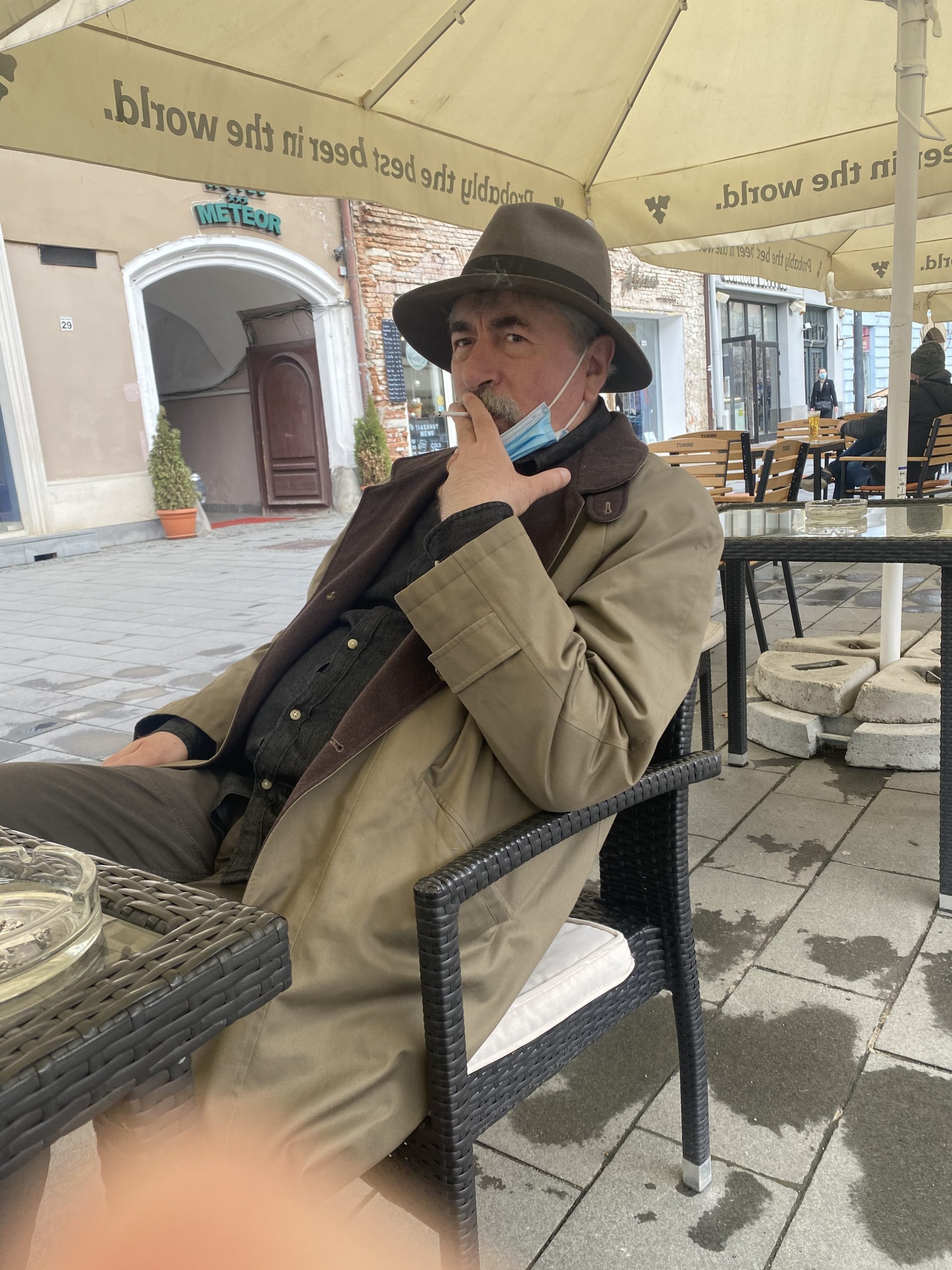
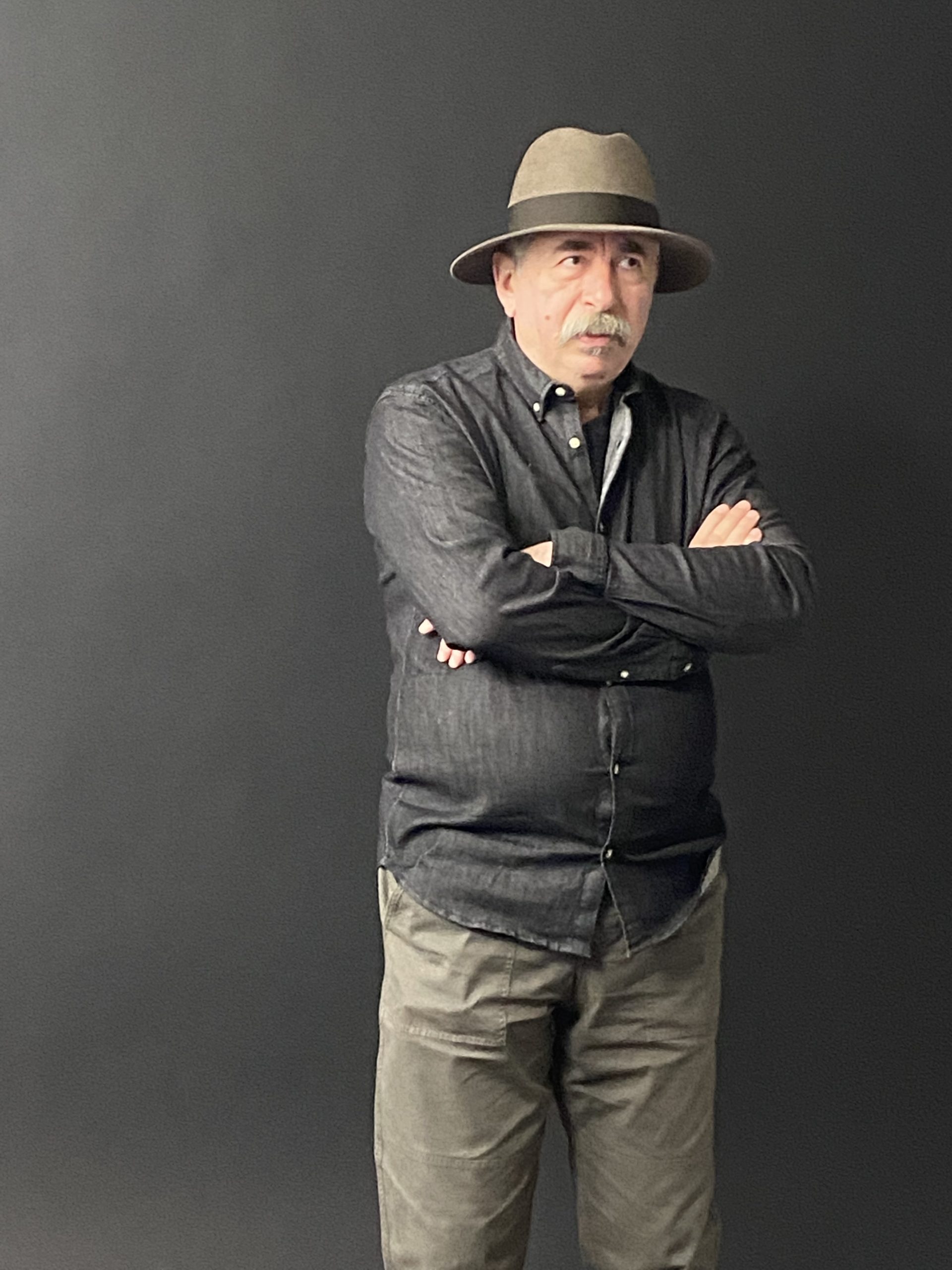
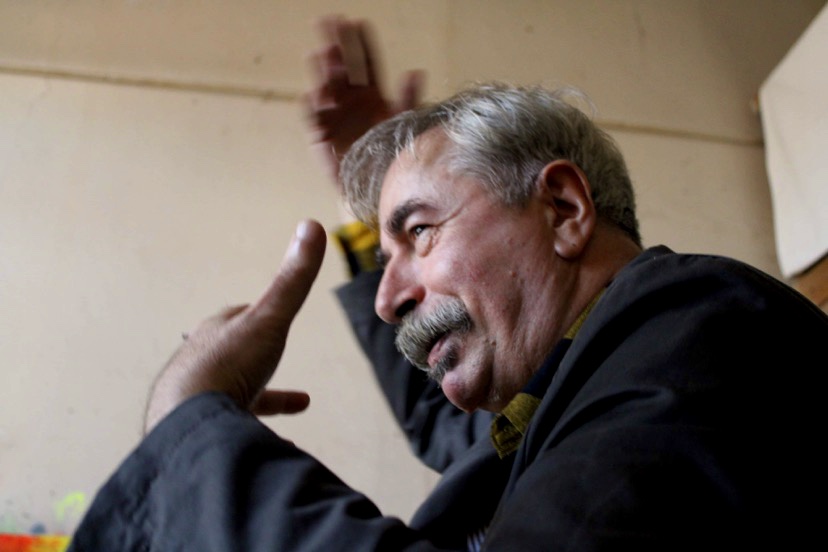
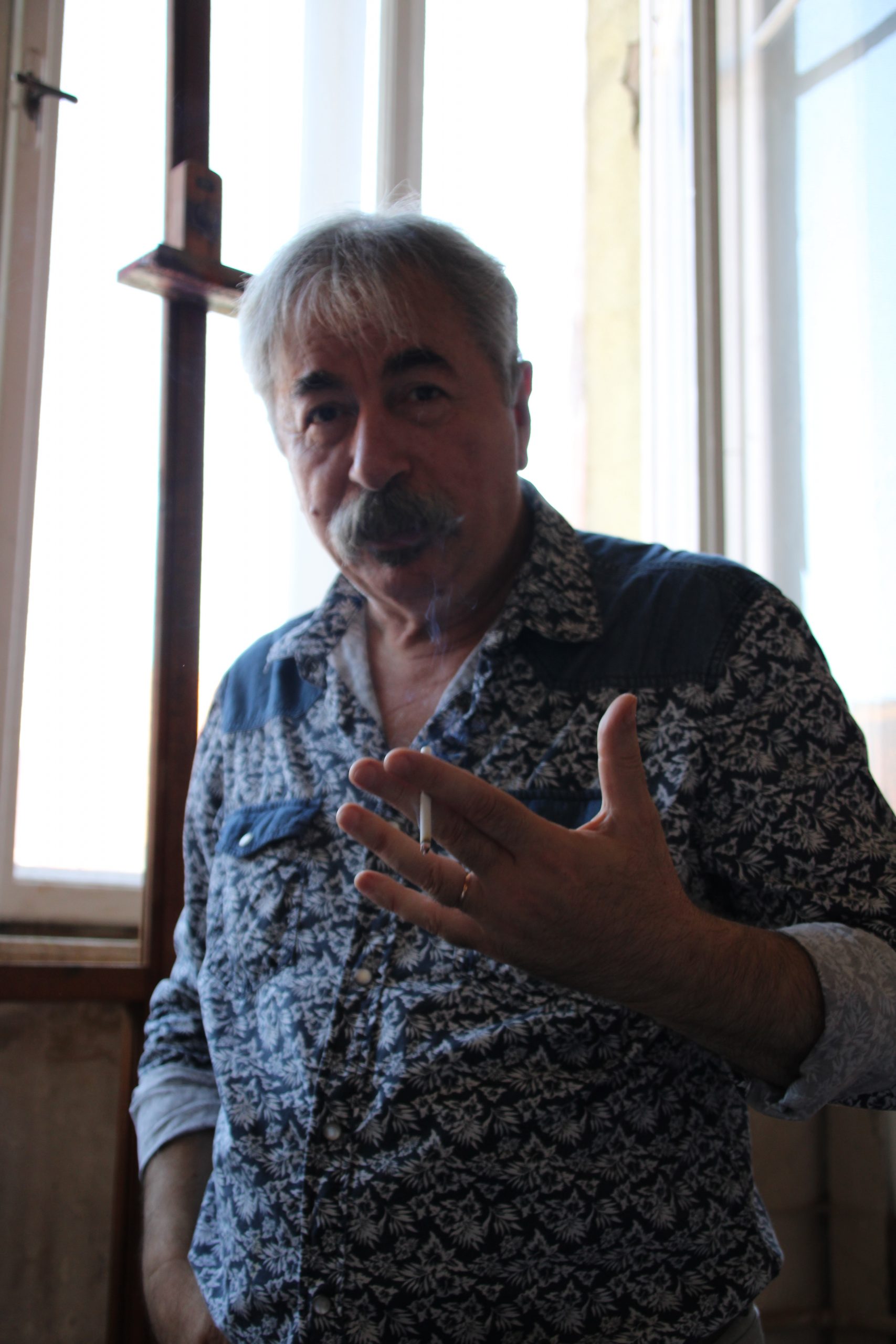
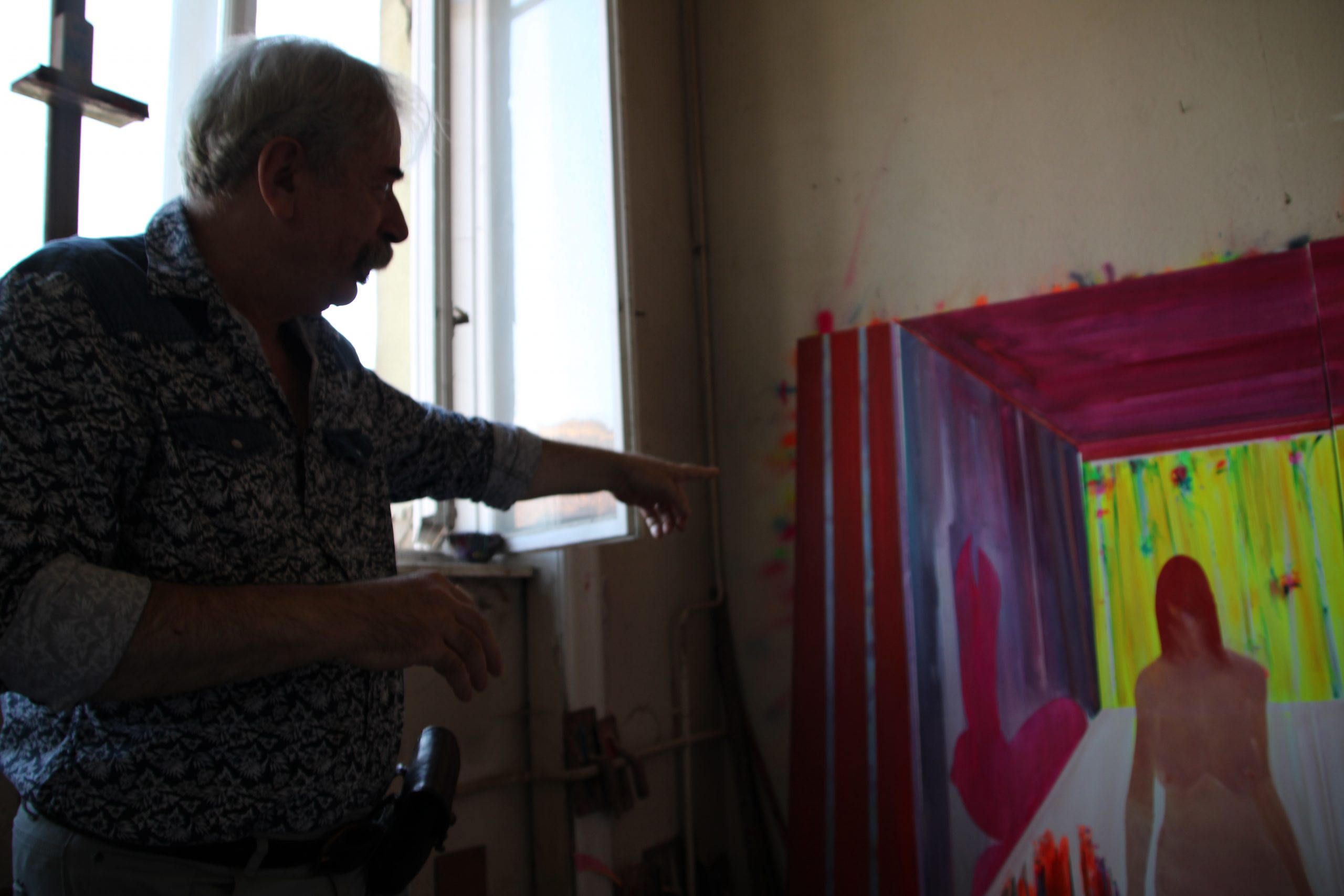
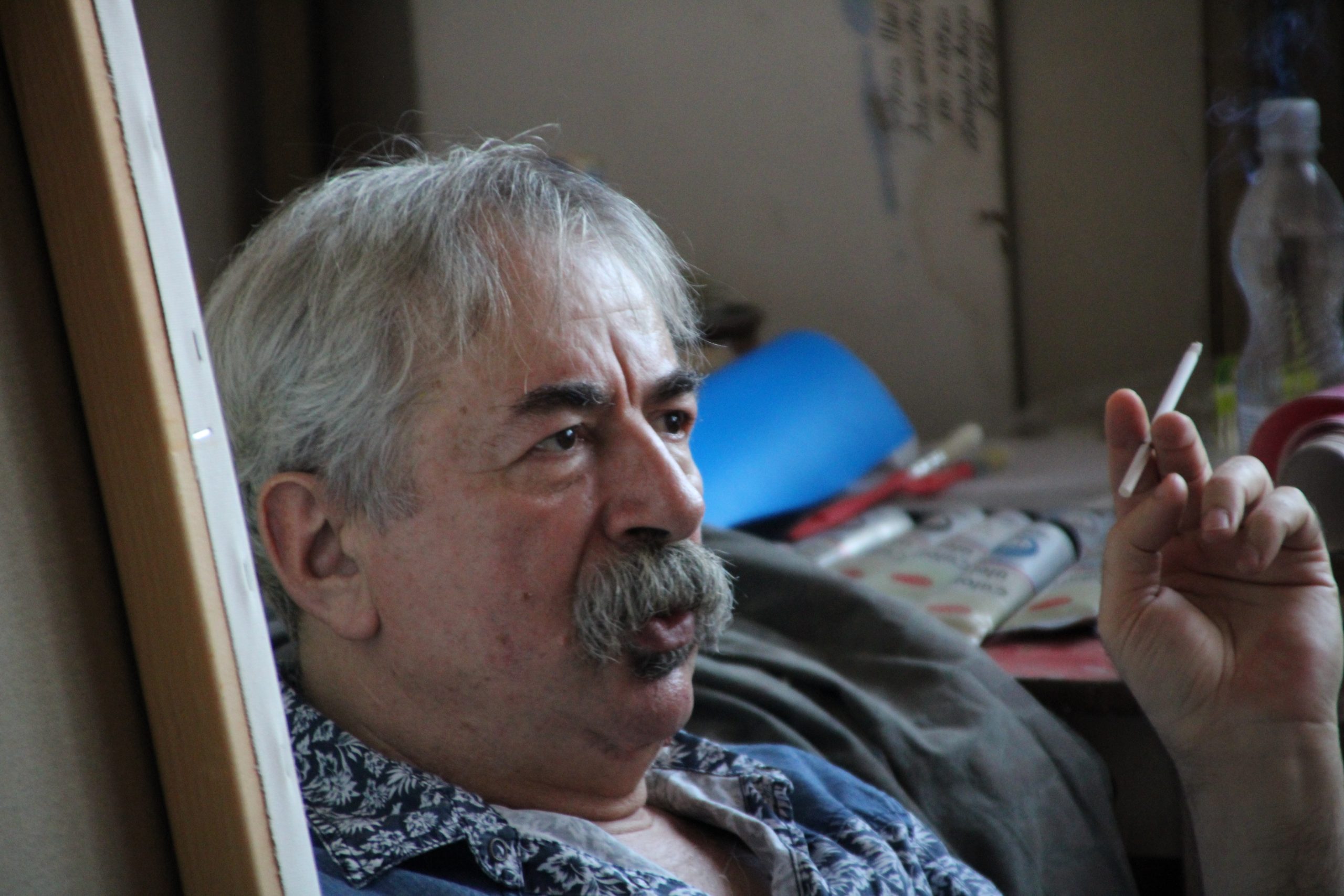
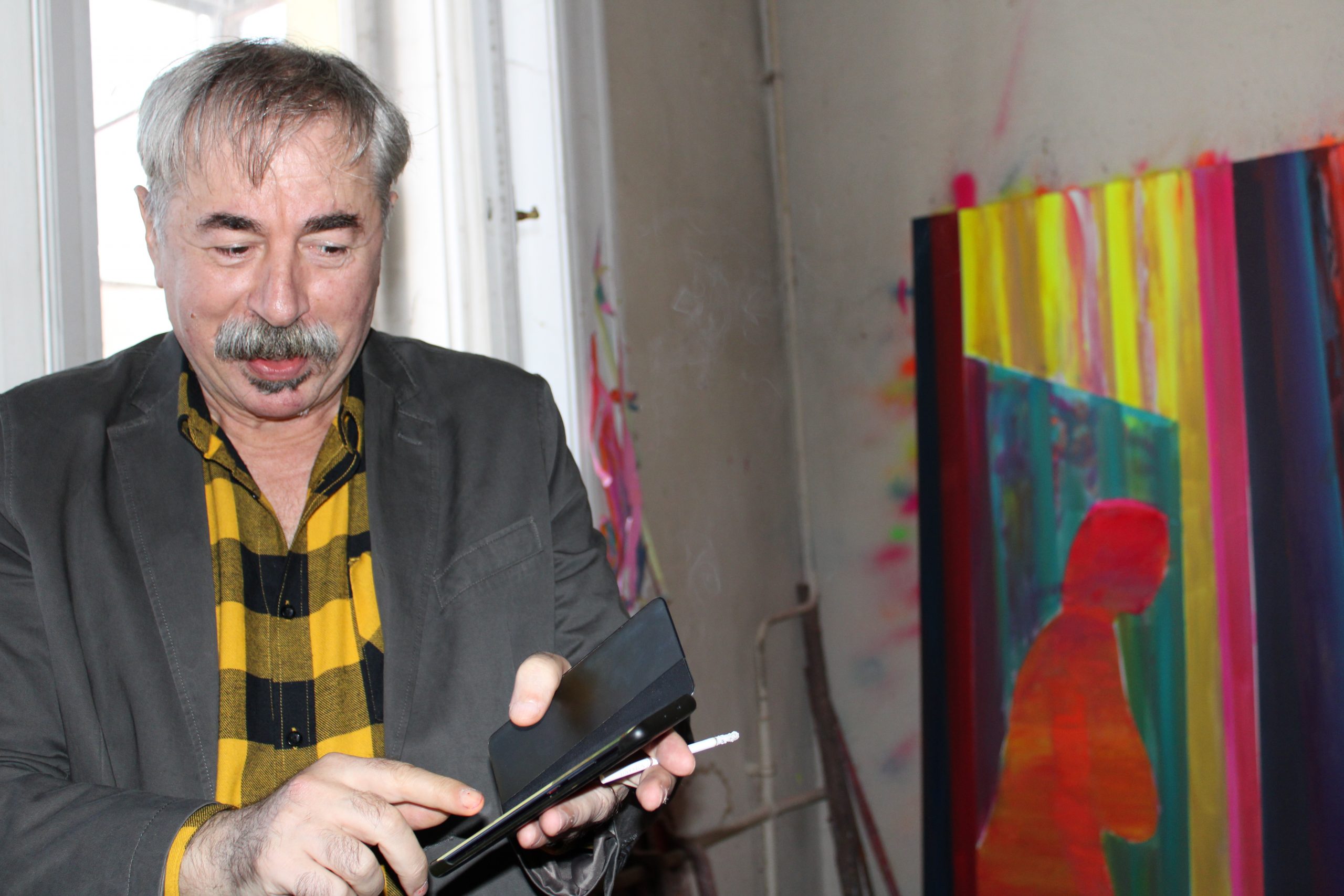
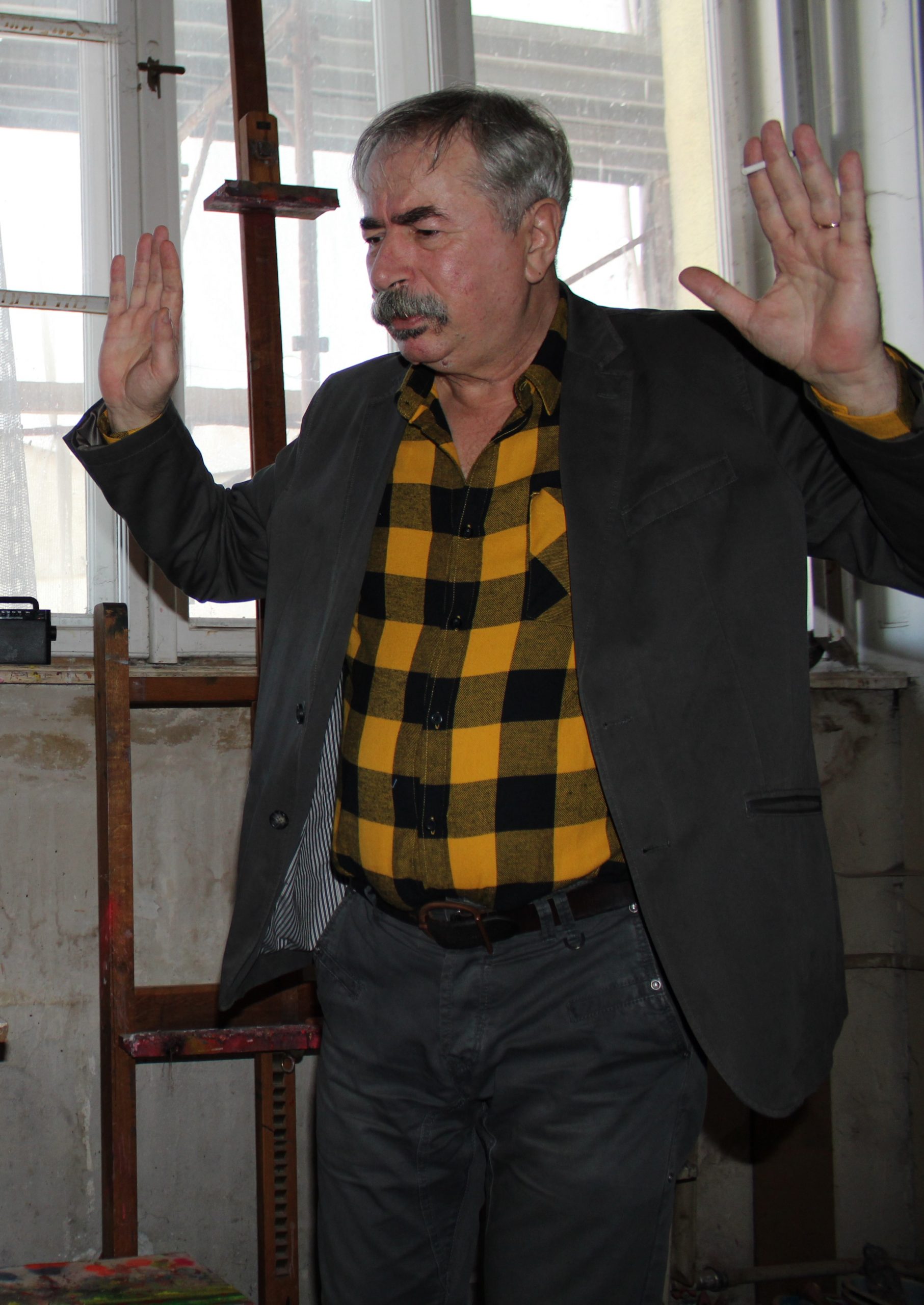
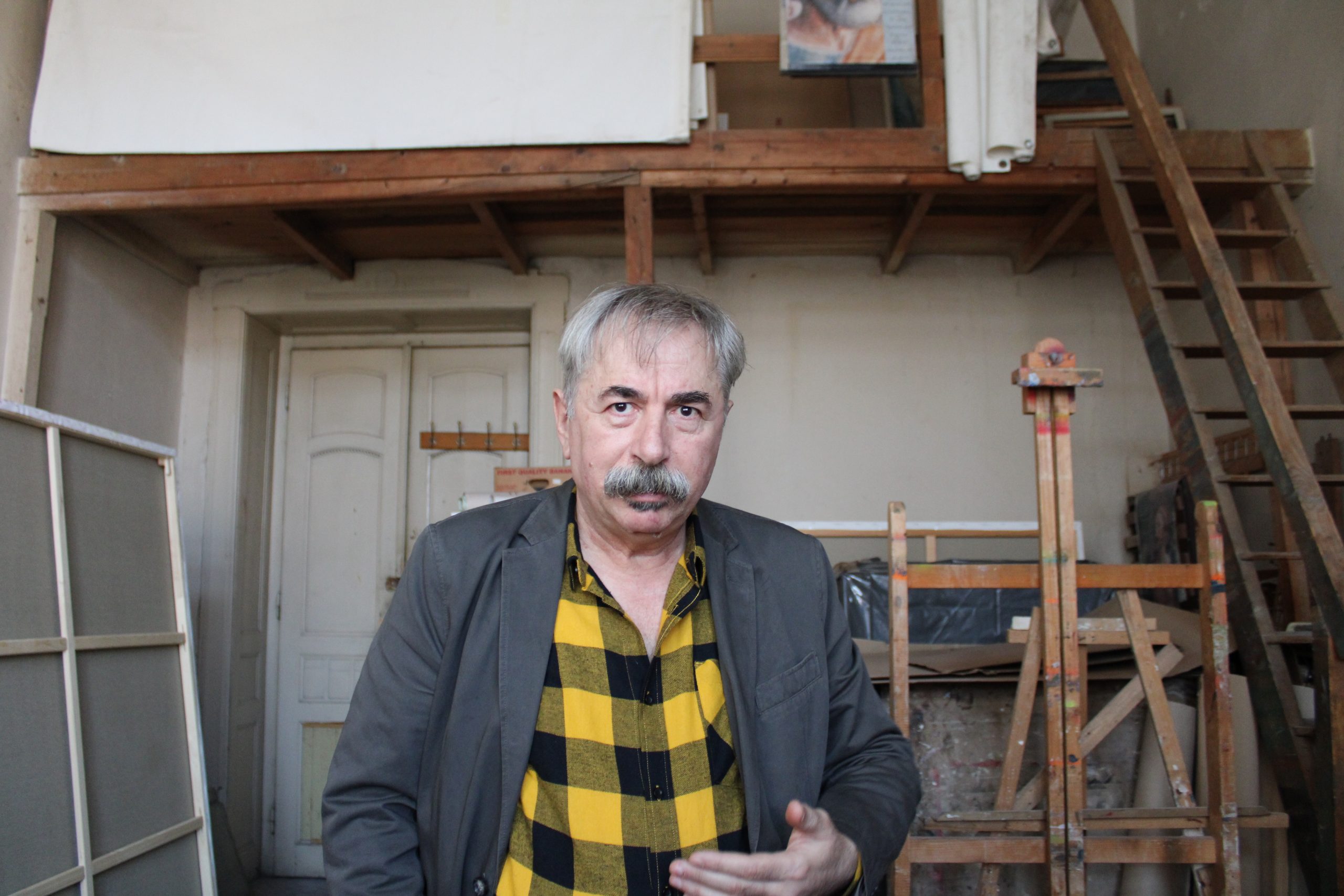
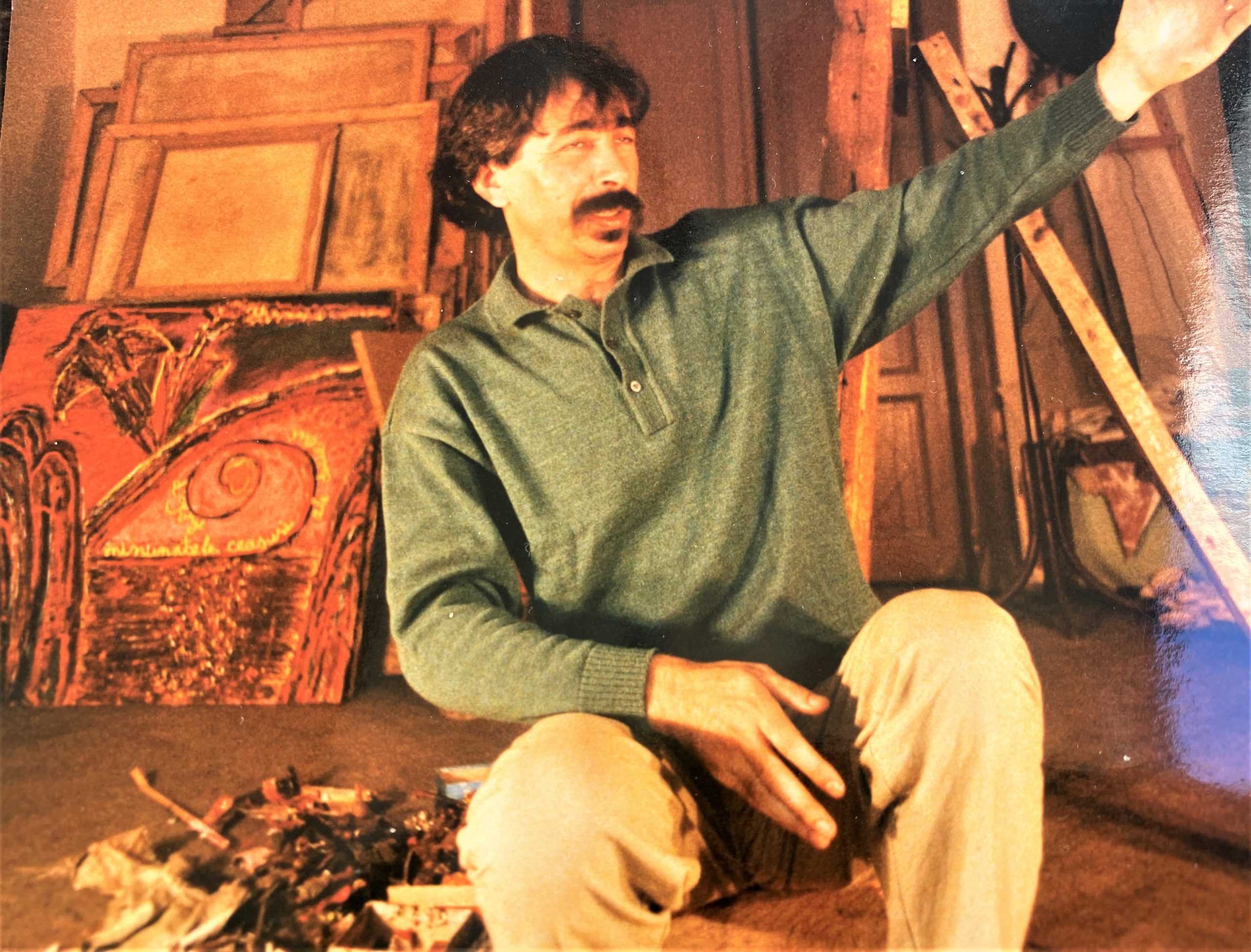
He remembers his father, Mihai, as an aloof, oftentimes harsh man, whose few words stood in for affection. The mother Eugenia, however, senses that the reading son is “gentle” and watches over his cultural inclination – as someone who will prove, later, to be an artist in turn. Confident in his star, she lets her child go out in the world to learn painting.
With Emil, the relationships were rather of neutrality. The younger brother Emil didn’t seem like much. Only later, as adults, they will discover the male bonding, on the border between profound friendship and implicit affection.
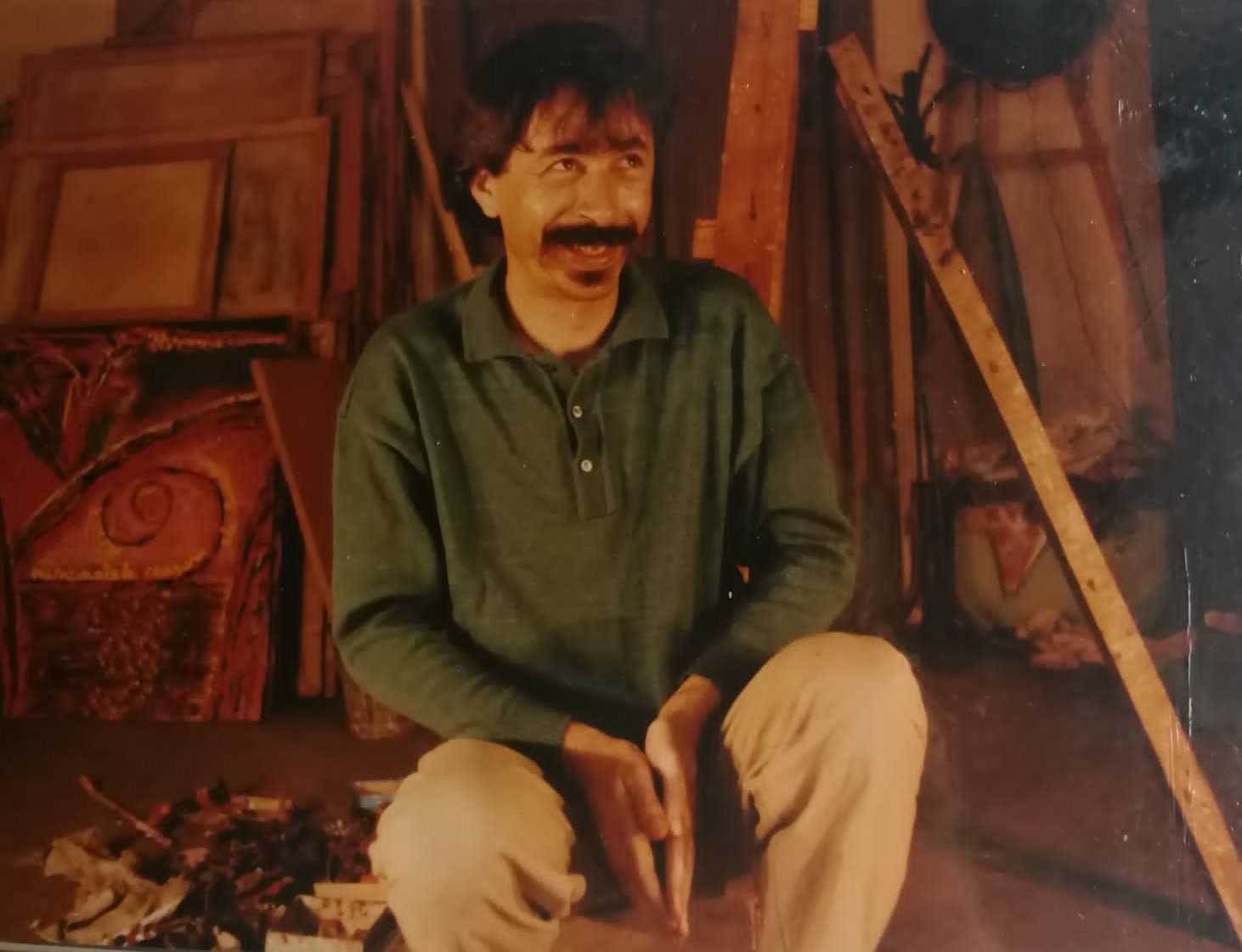
Starting with 1971, Nelu, as he was called at home, moves to Cluj, attending first the Art High School bearing the name of the master Ladea, and from 1975 to 1981 the University of Art from Cluj. The life as painter started at Cluj. The forays to the library, this time of the Institute of Casa Matei, remained just as frequent, only now he was also reading philosophy, poetry, history.
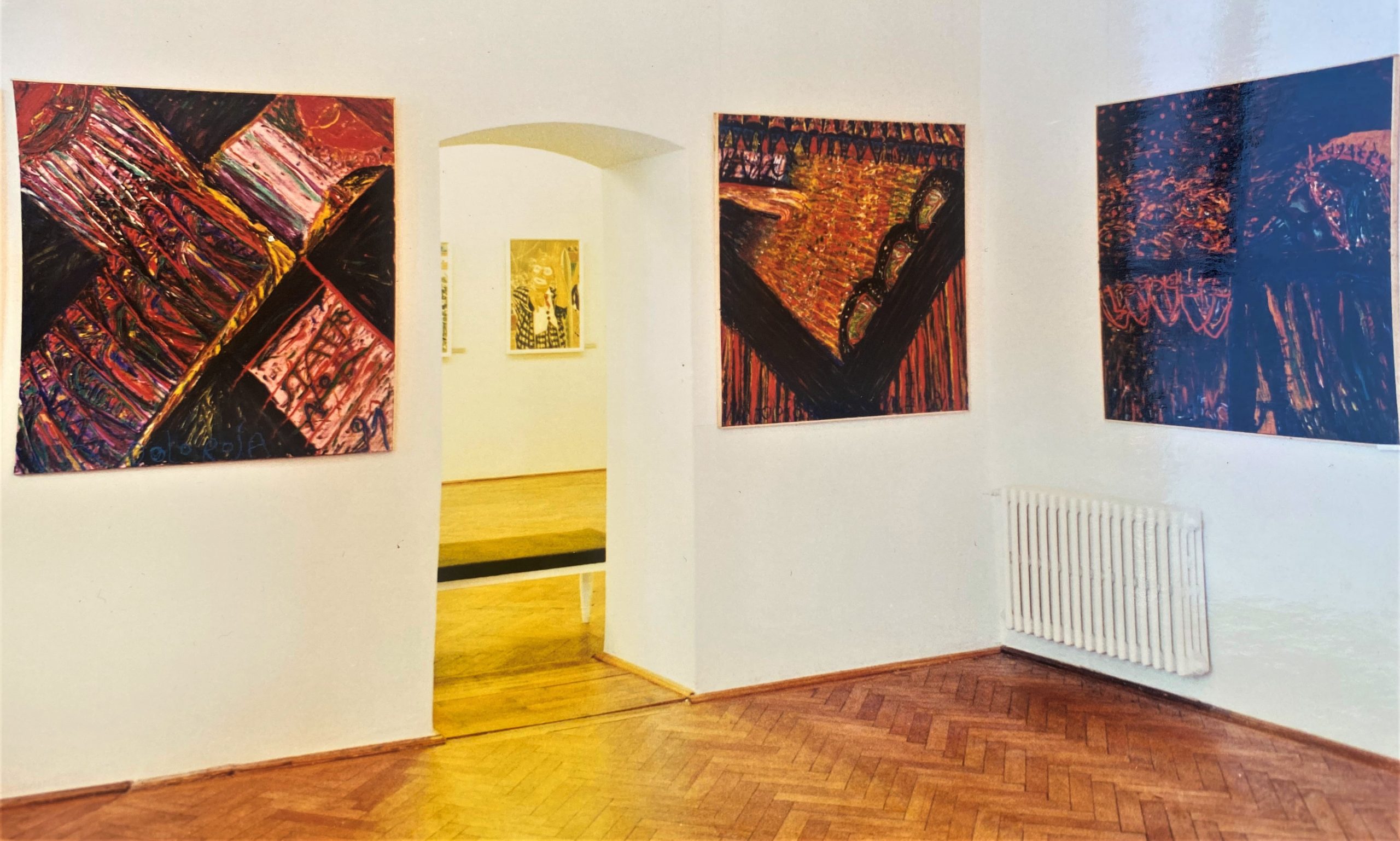
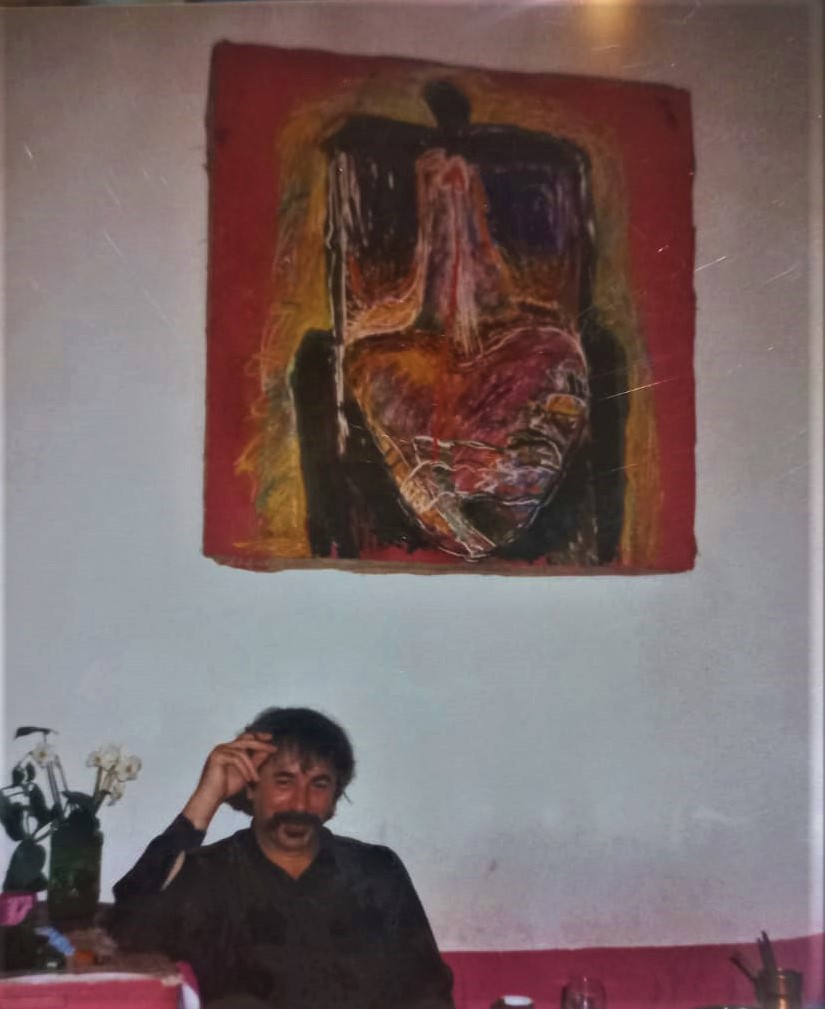
Already a father at 22, married to Măriuca, who was coming from Oradea, he follows her home, in Bihor, after a time spent in Suceava, where he has been assigned upon graduation to teach at the School of Popular Art. He does all the jobs the young intellectuals of his generation were doing – he teaches, he is hired as a painter at the Center of libraries, where he makes posters. . . In the ‘80s he writes poetry. The paper books where he makes hundreds of drawings come from this time. From the pages dutifully numbered with the days of the years that pass by, the Duke d’Ivry stories emerge, the adventure to the imaginary Persia starts, characters, fantastical scenes, battles are being invented. . . The imagination long time fermented under the endless sky of Ceanu sets off unrestrainedly for the yearned far-off lands. The cascades of color, the arabesques, the embellishments explode in paintings, bringing the Orient closer and spreading the joy of discovering the abundance of life, love, beauty.
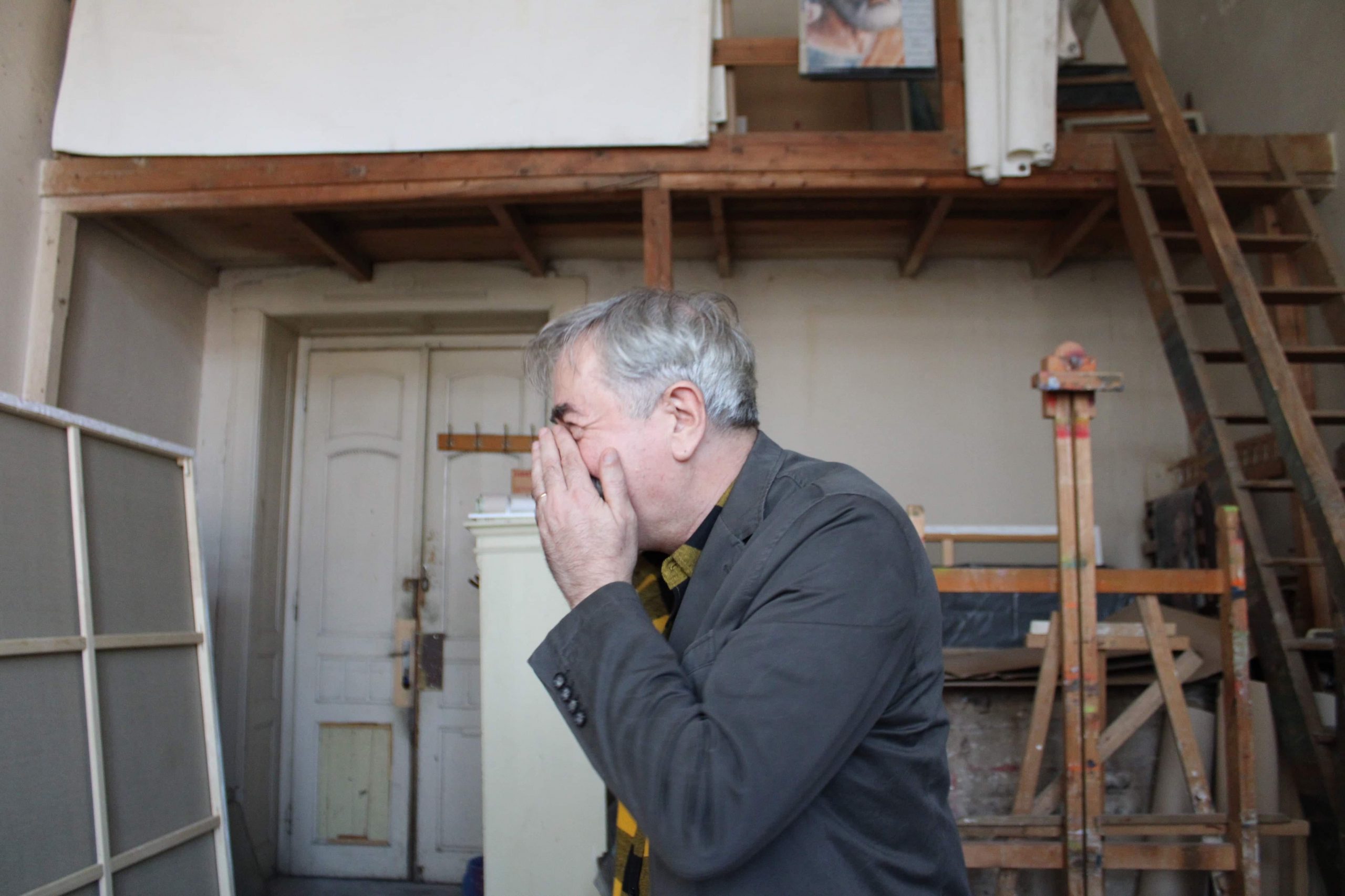
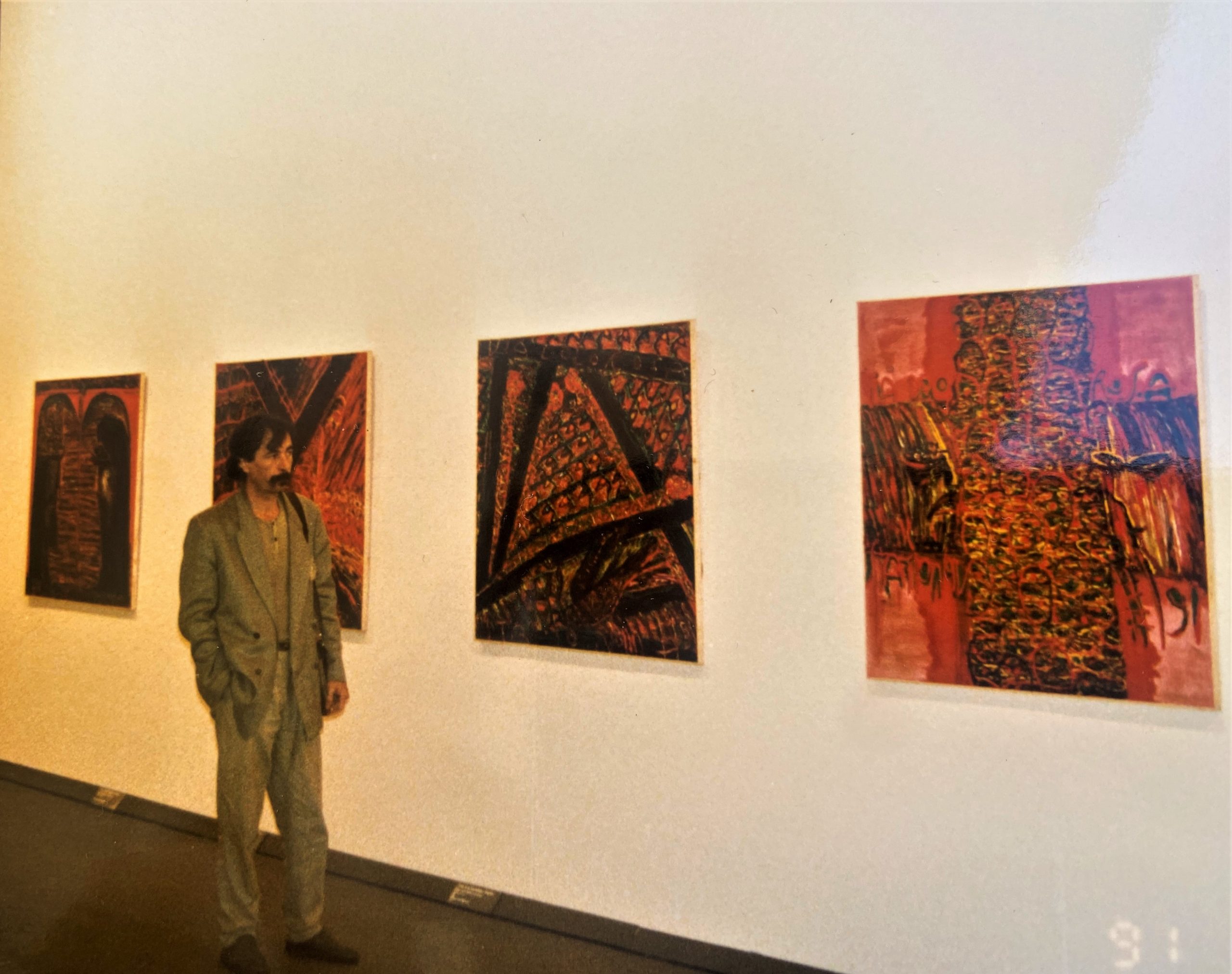
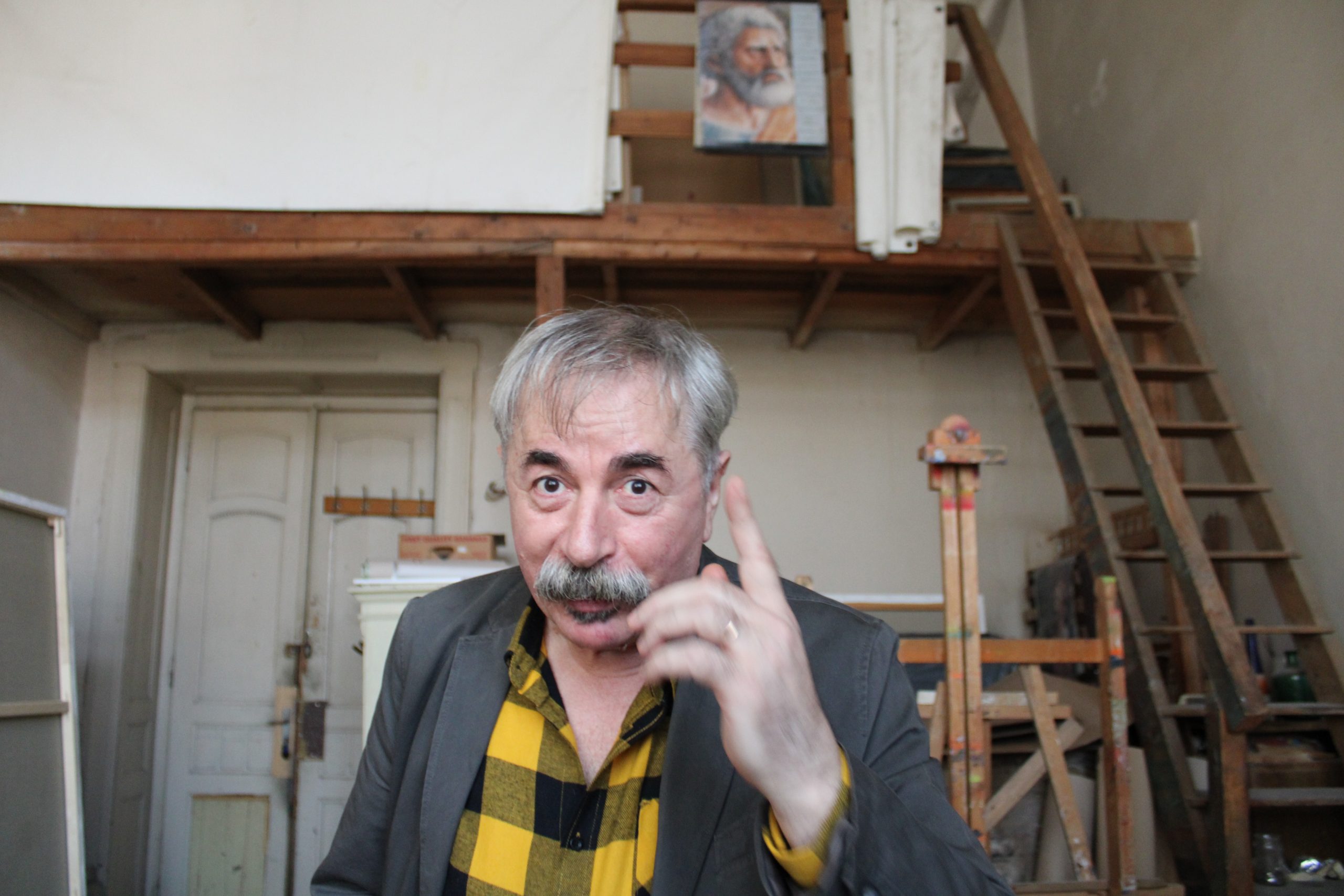
1990 brings changes, not only on the general level of the society, but also on his personal one: he is invited to teach at the University of Art from Cluj. Ever since then, his immense intellectual accumulations have been fulfilling their role: more than 30 generations of students have had the opportunity to profit from his culture and his ability to constantly bring to life the history of painting.
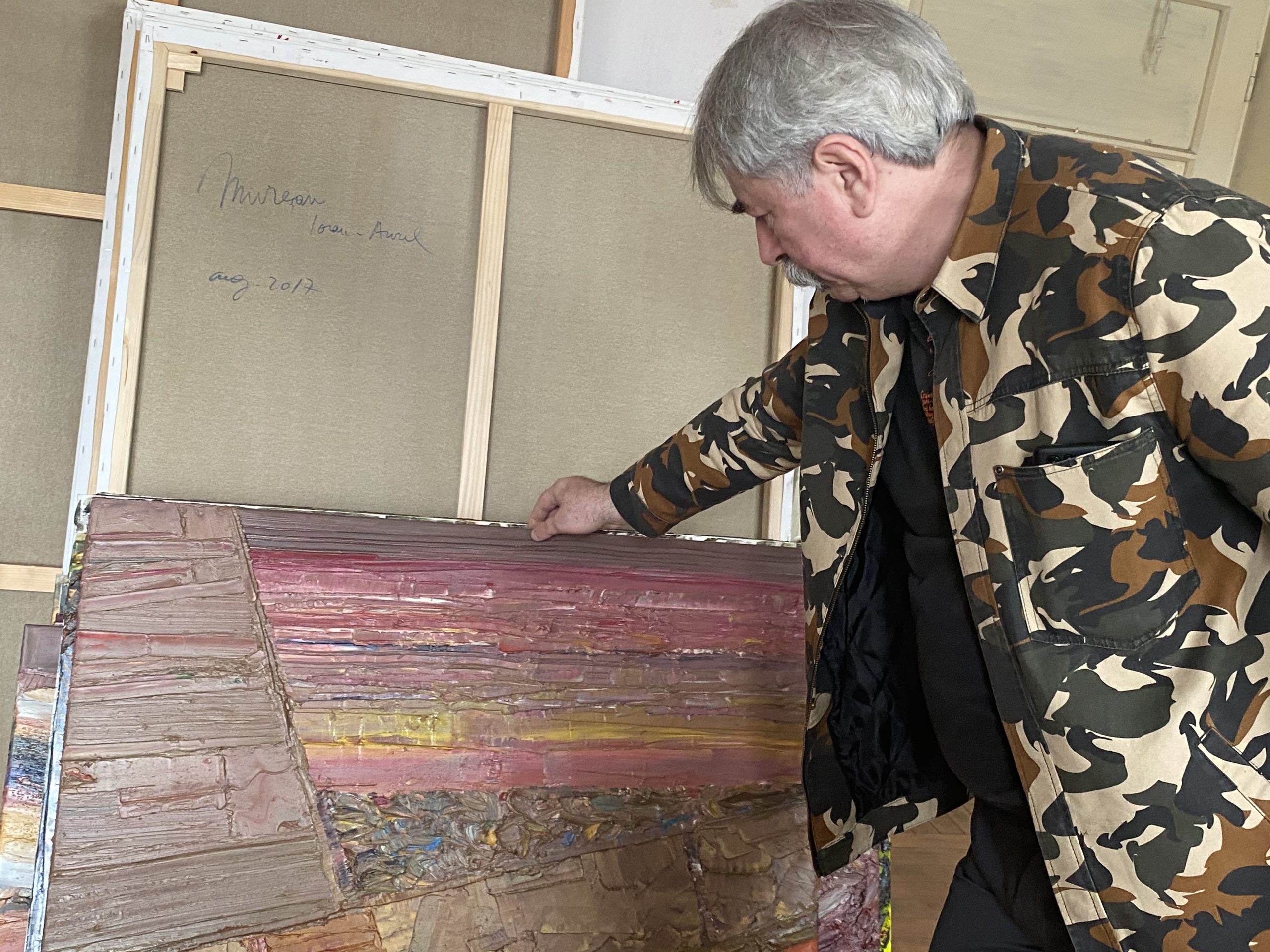
His own art, which always refers to cultural resources, doubled by the practice of an efficient maieutic make Ioan Aurel Mureșan a complex personality of Romanian contemporary art and of the school of painting from Cluj.