Among the oldest themes of universal literature, we also find that of the journey. The attempt to systematize such a vast and diverse field could be synthetized in two major registers: the exterior/material one, where the journey means curiosity, knowledge, experience and the interior/affective one, whose single attribute is the experiencing on the level of sensibility of a real or imagined path. Here, the author sets his own route to arrive at a superior self-knowledge.
The idea of approaching the Ultrasilvania series from this perspective is related to an apparently insignificant biographical detail, but one that has left its mark not only on the artist’s life, but also on his work: the frequent trips that Ioan Aurel Mureșan is making between Oradea, his hometown, and Cluj-Napoca, where he teaches at the University of Art and Design. The Transylvanian topos has generated over the years various forms of cultural adhesion, in which I am not sure whether the geography played a dominant role, or rather it was the man, the community, the way it perceived its place and assumed it with a certain joy of belonging.
If we follow the cycles that make up Ioan Aurel Mureșan’s creation, starting with A Few Considerations on the Magical Travel of Duke d’Ivry As It Was Documented by His Court Painter, Ioan Aurel Mureșan (what a Borgesian title!), despite their apparent distinctness, their pregnant stylistic but also thematic delimitation, they all share a common denominator: the “journey”. Perhaps a competent researcher of his work would decipher the avatars of the theme before and after 1989, but we can see clear how, starting with the mid ‘90s, it became outlined more firmly in the epic substance of his painterly discourse.
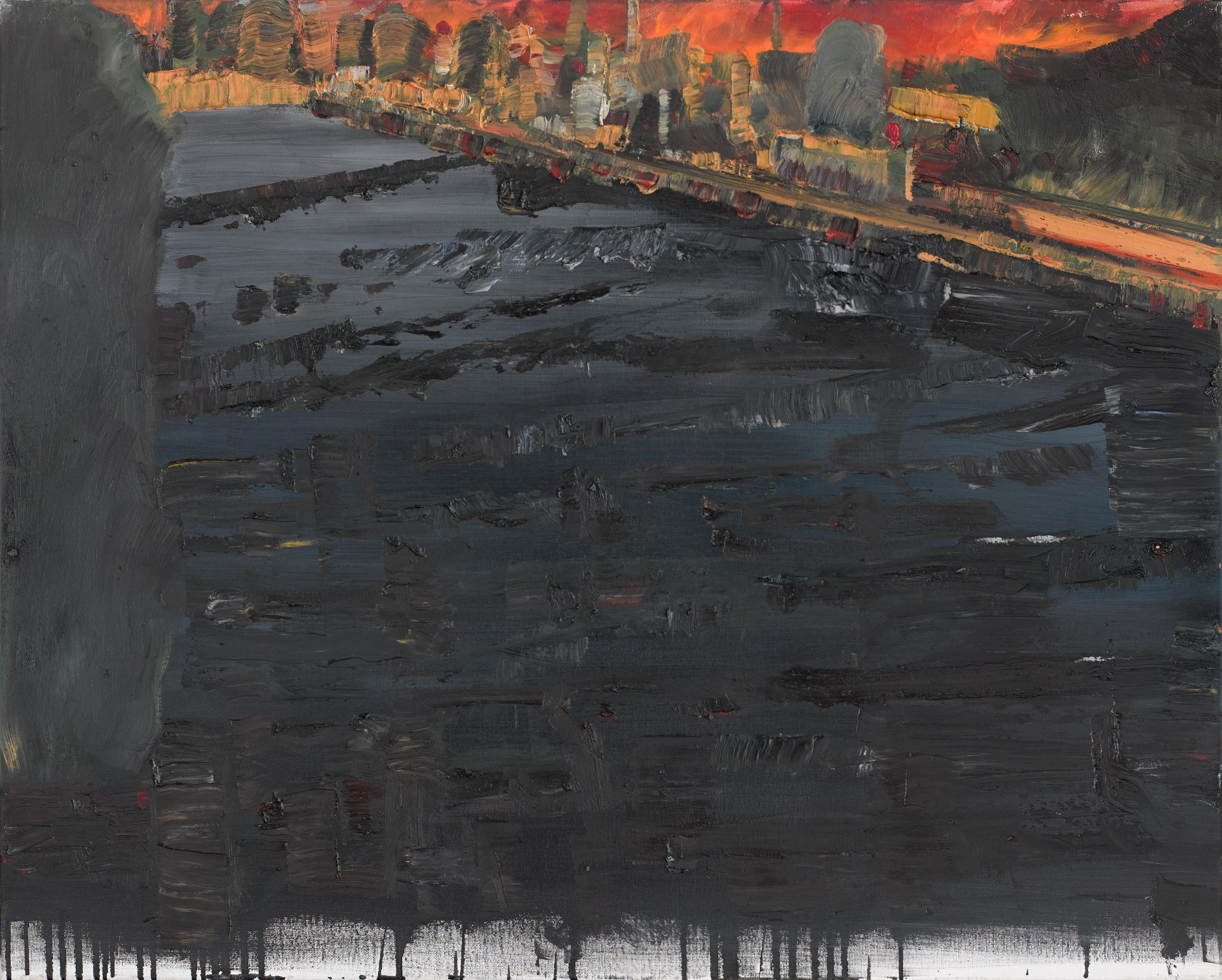
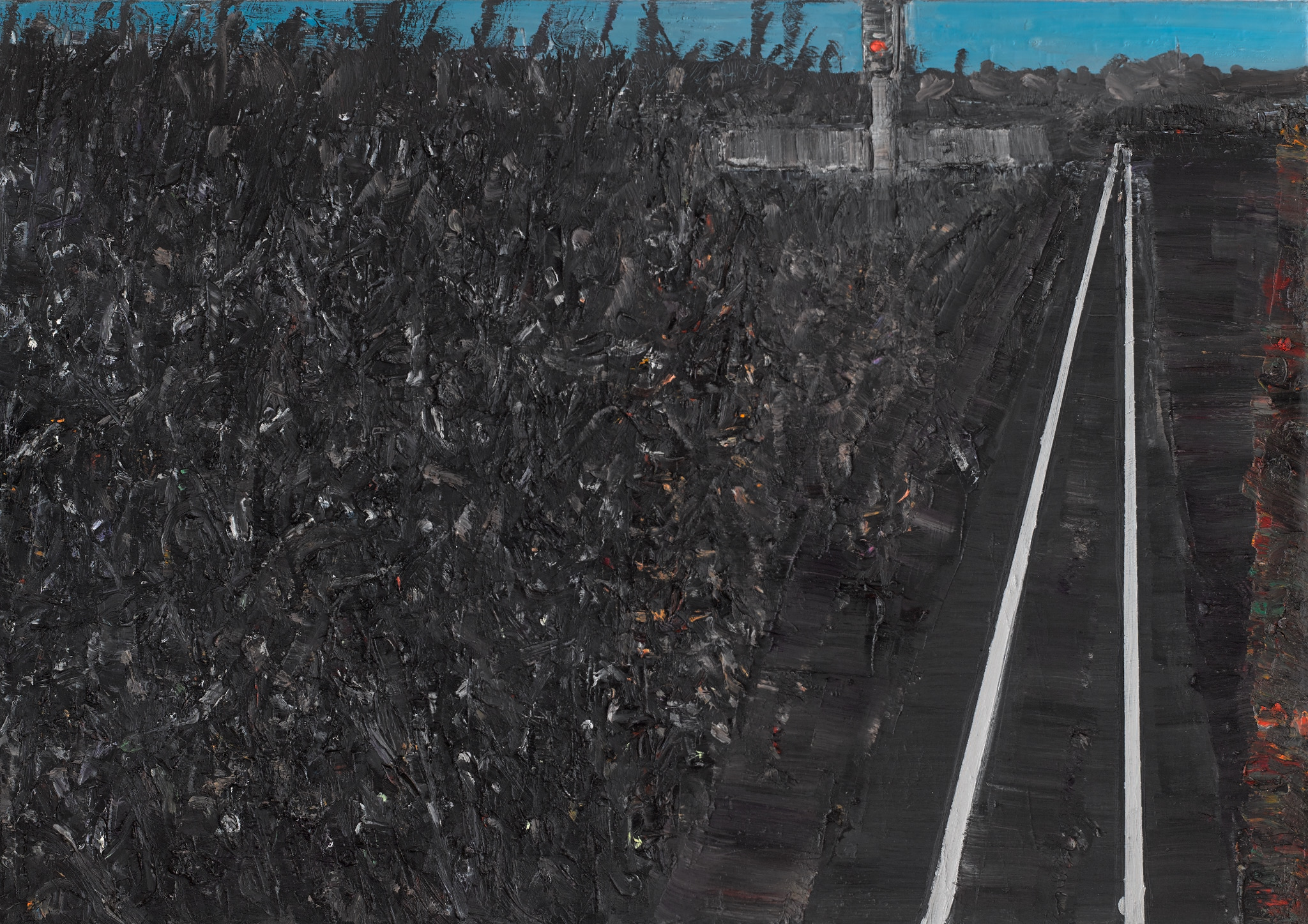
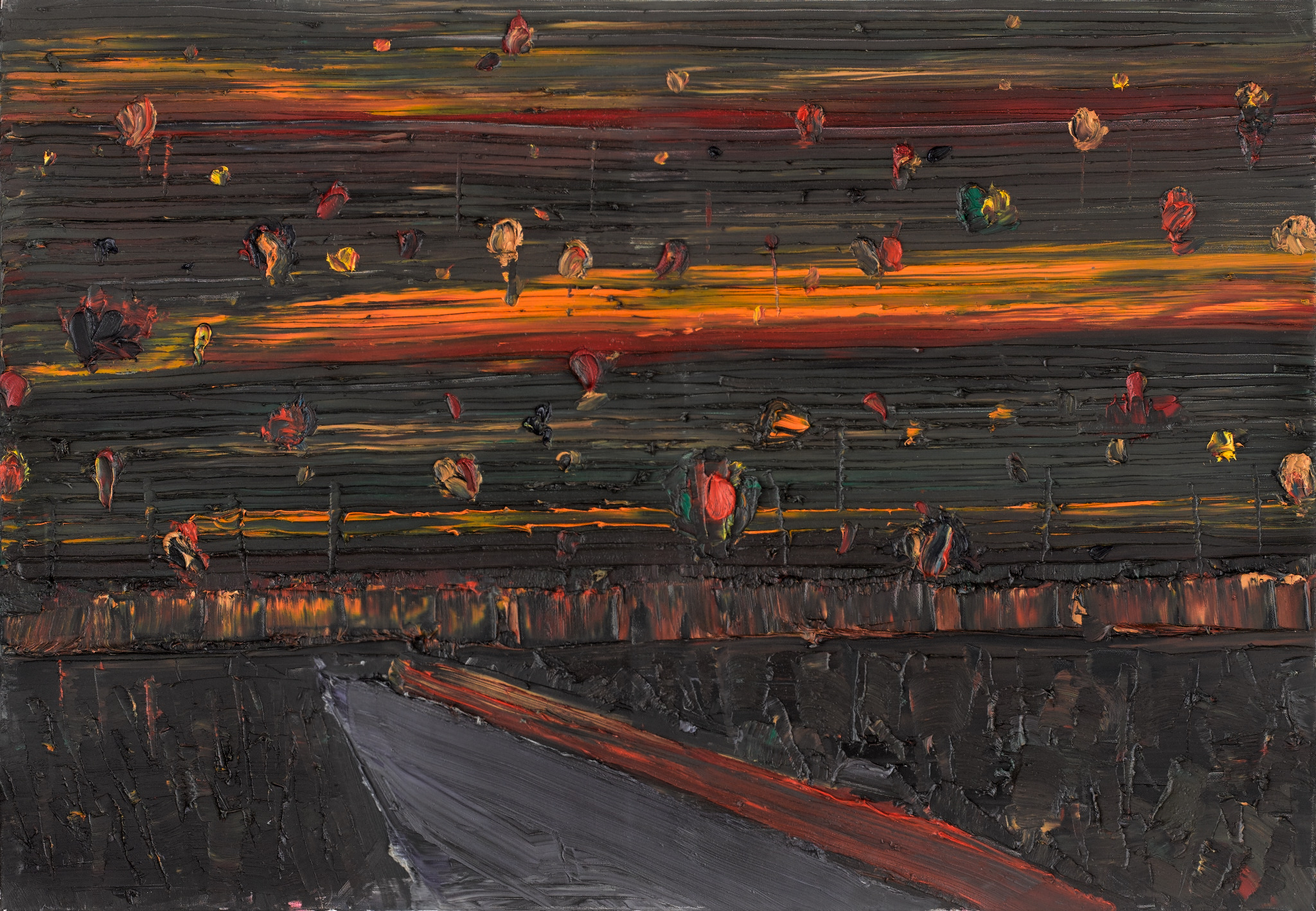
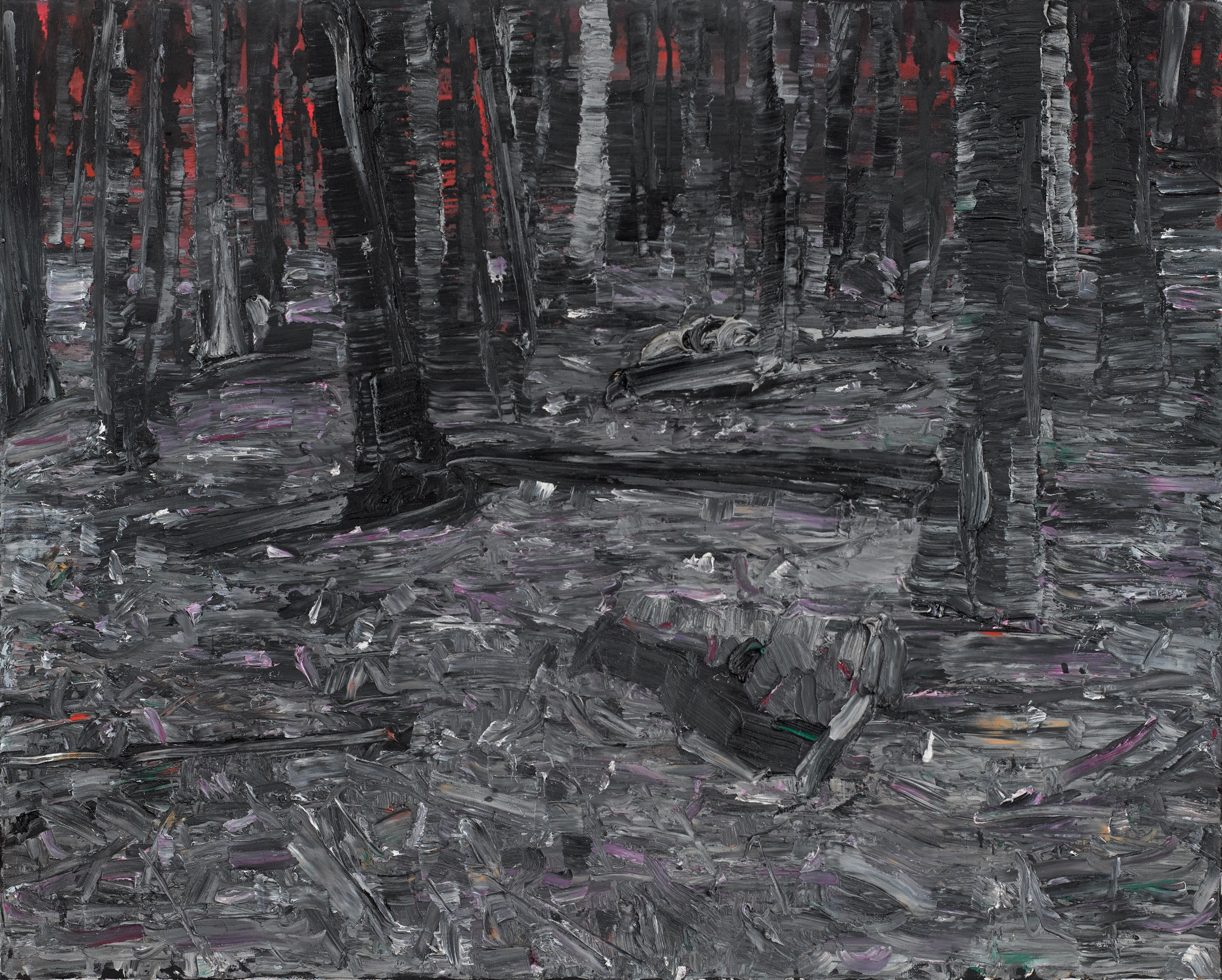
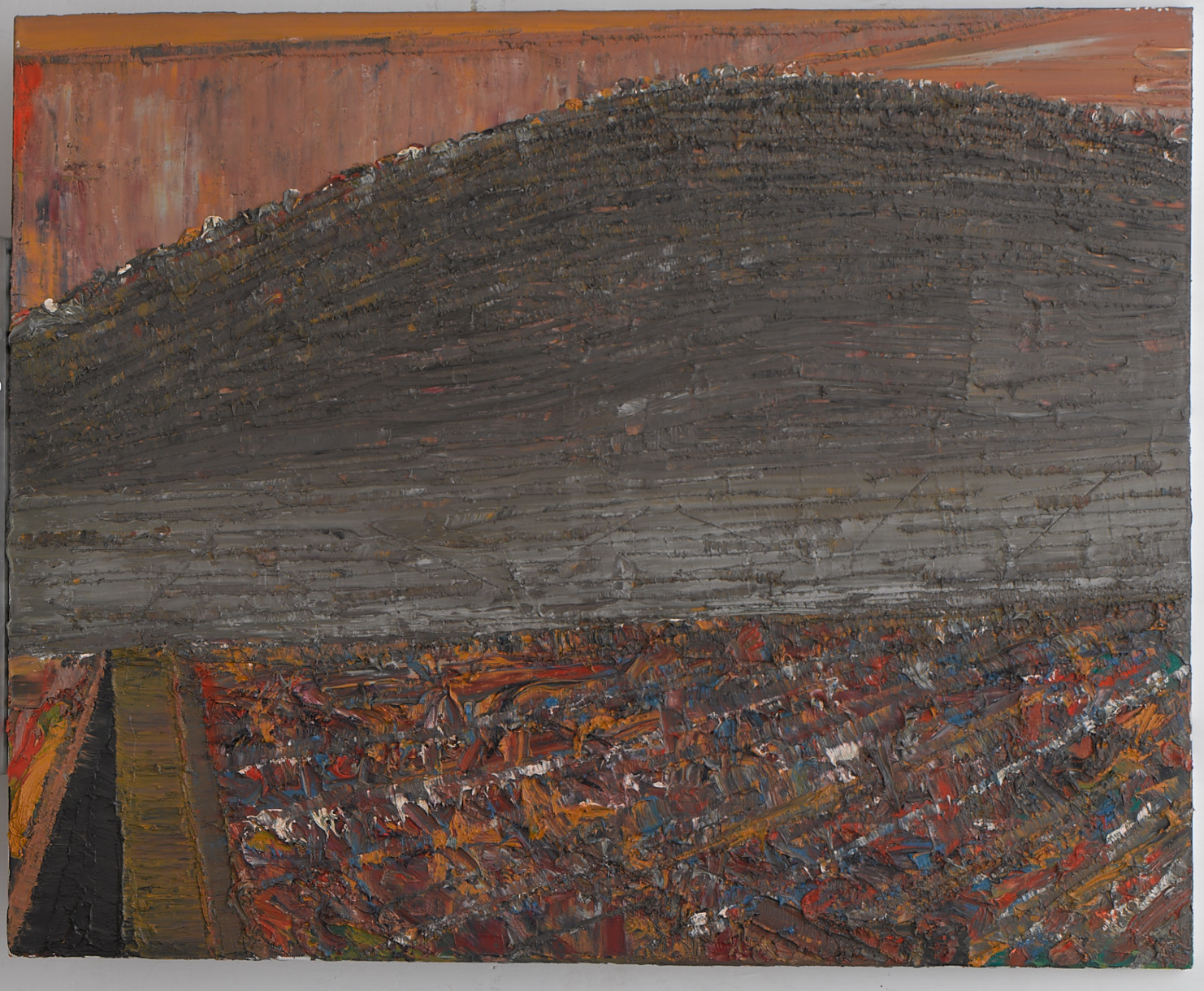
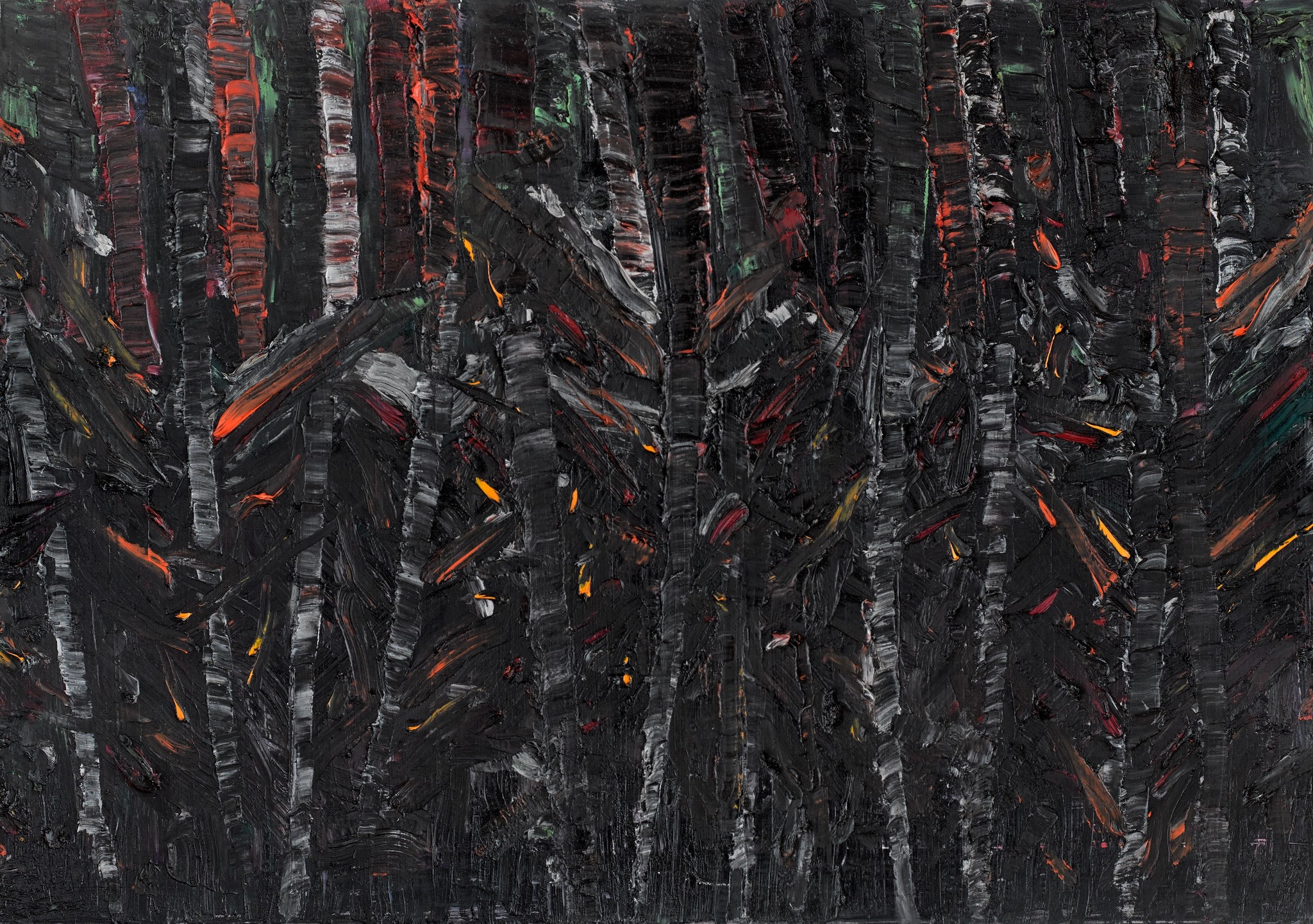
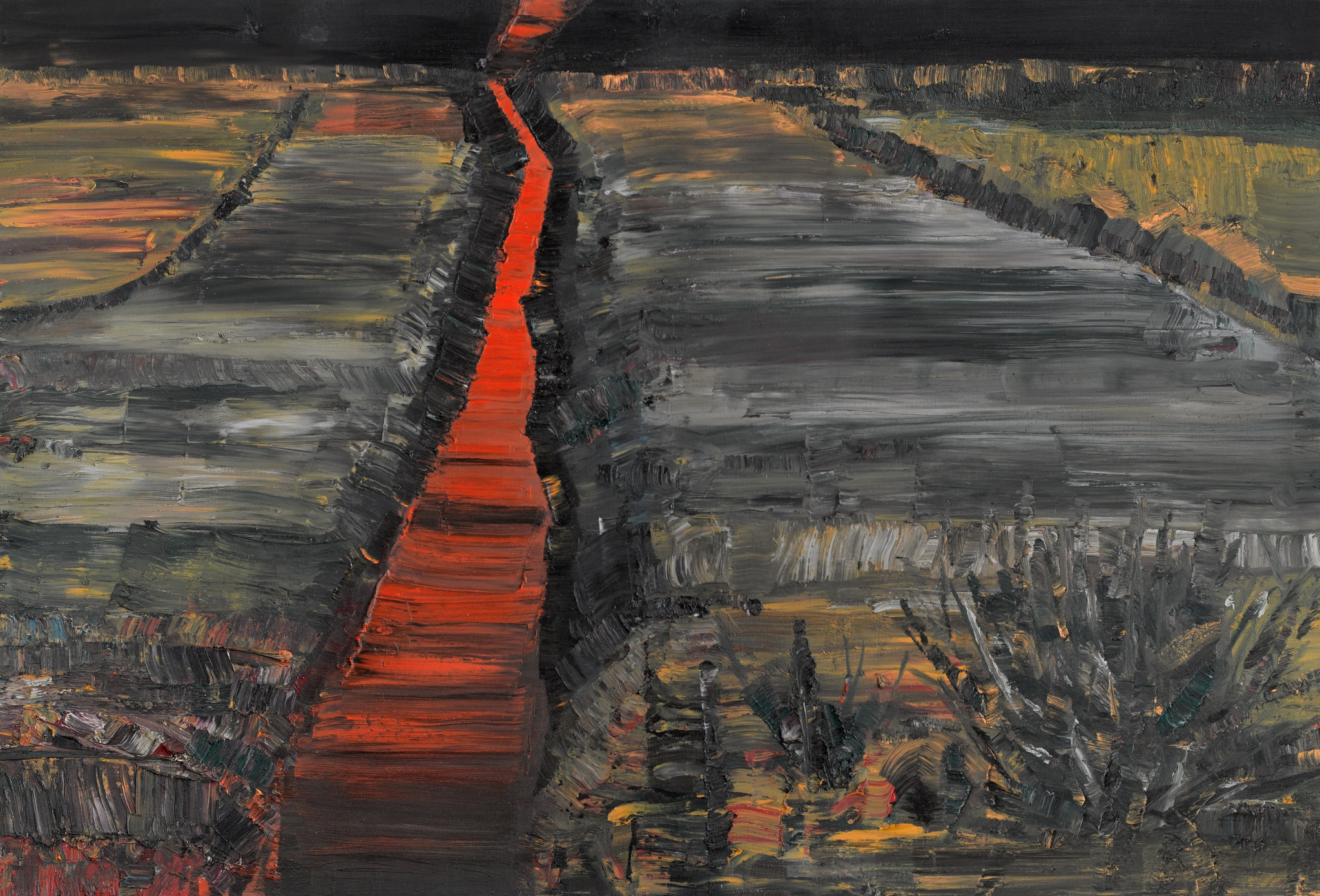
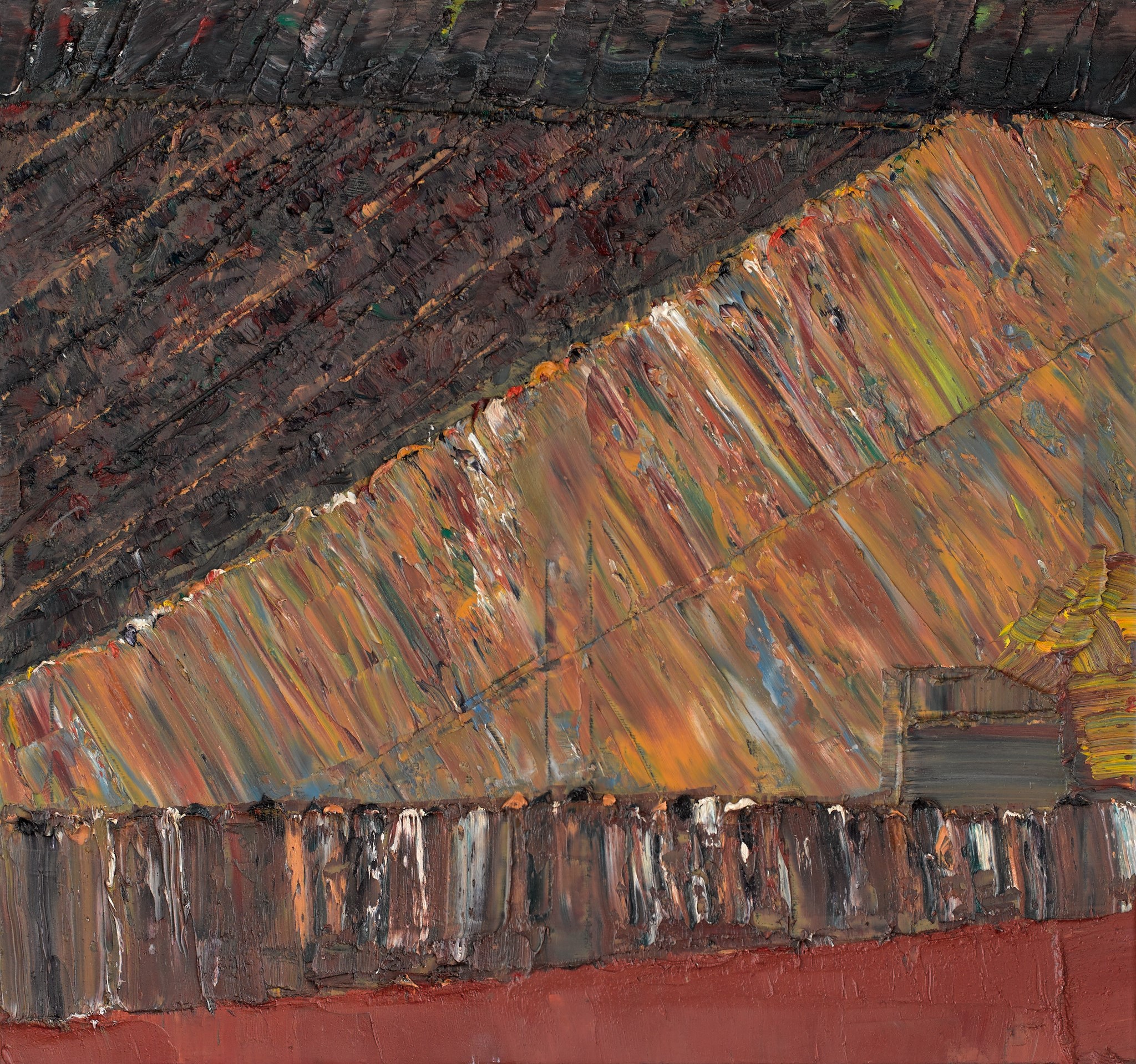
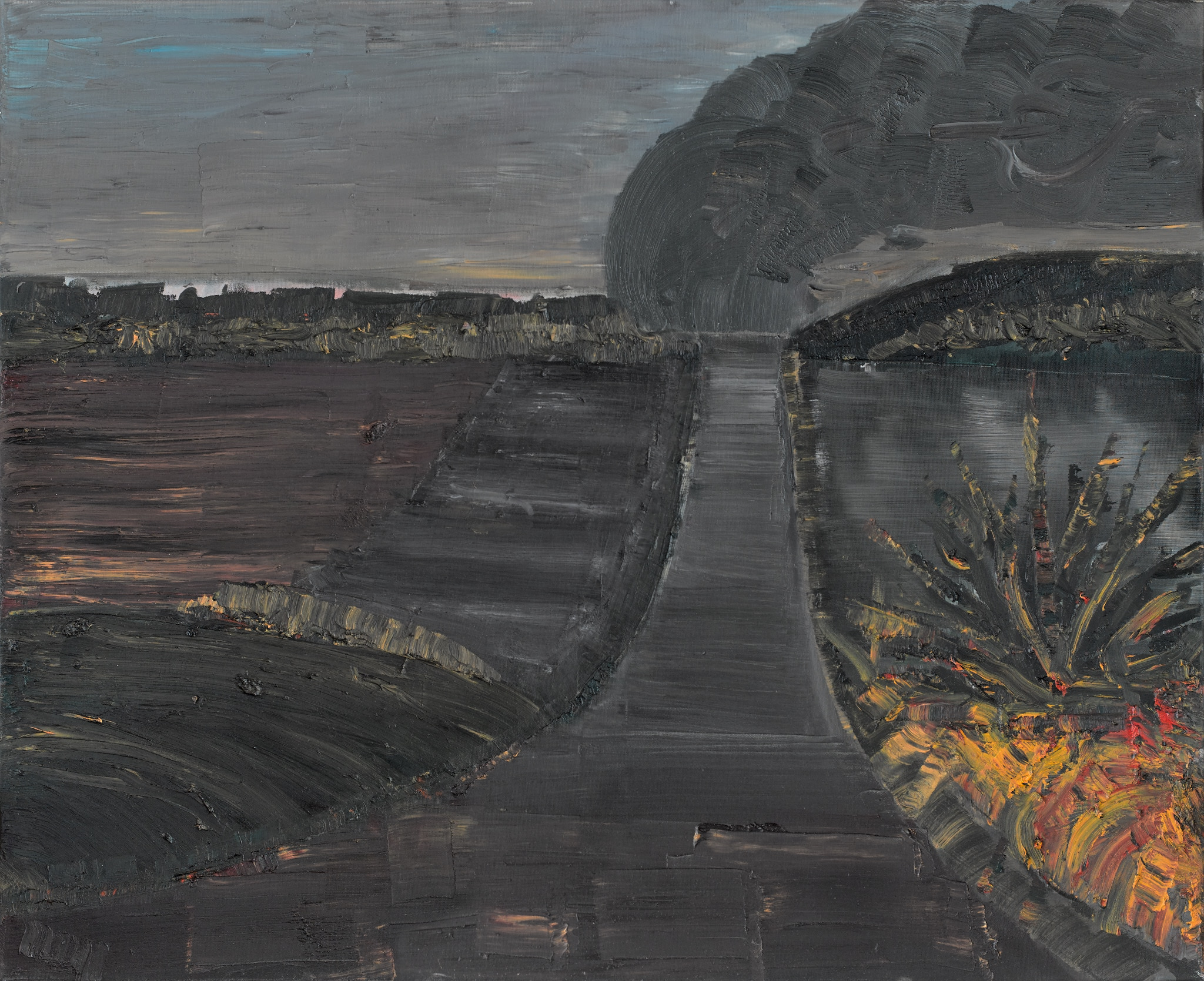
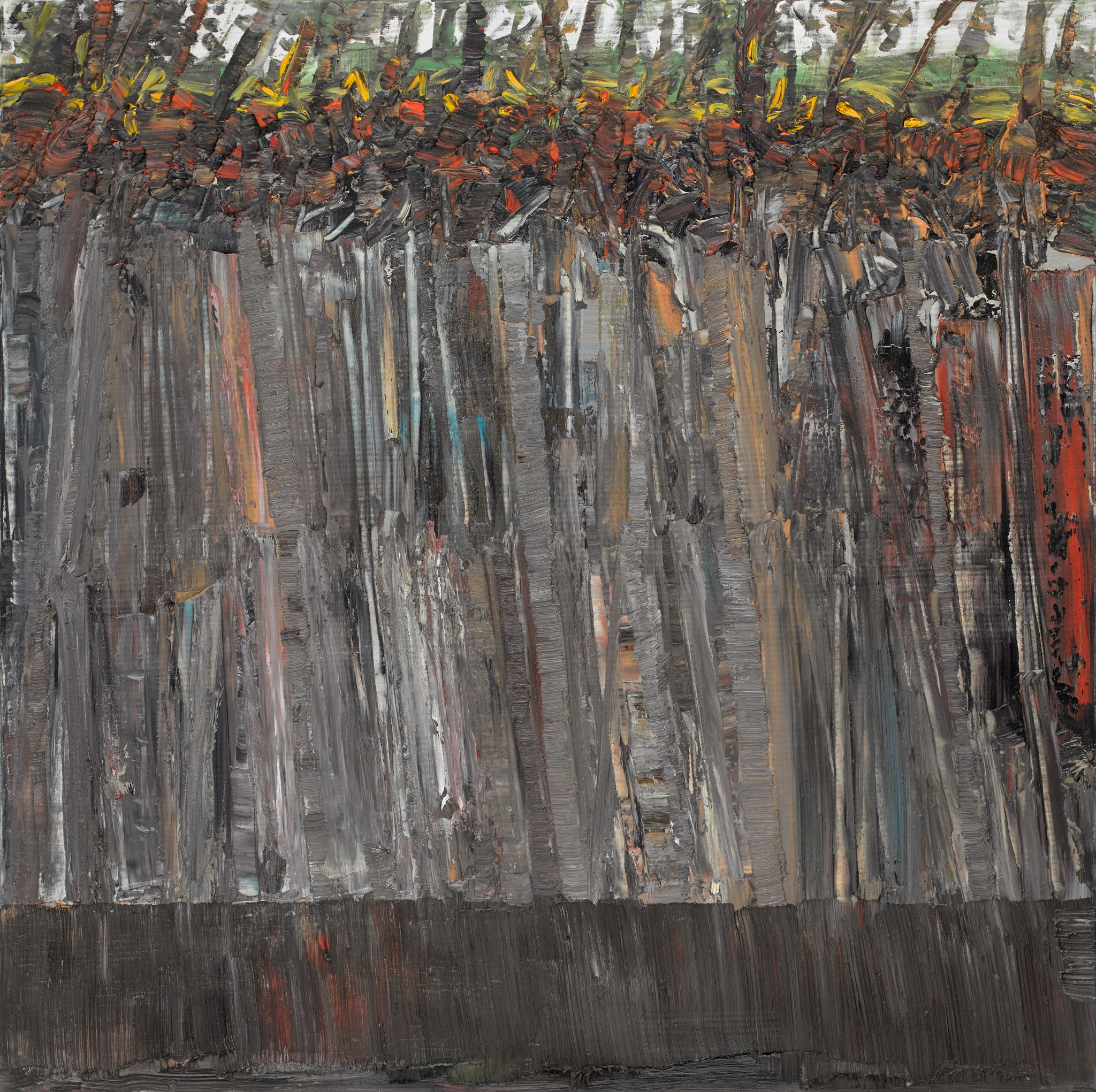
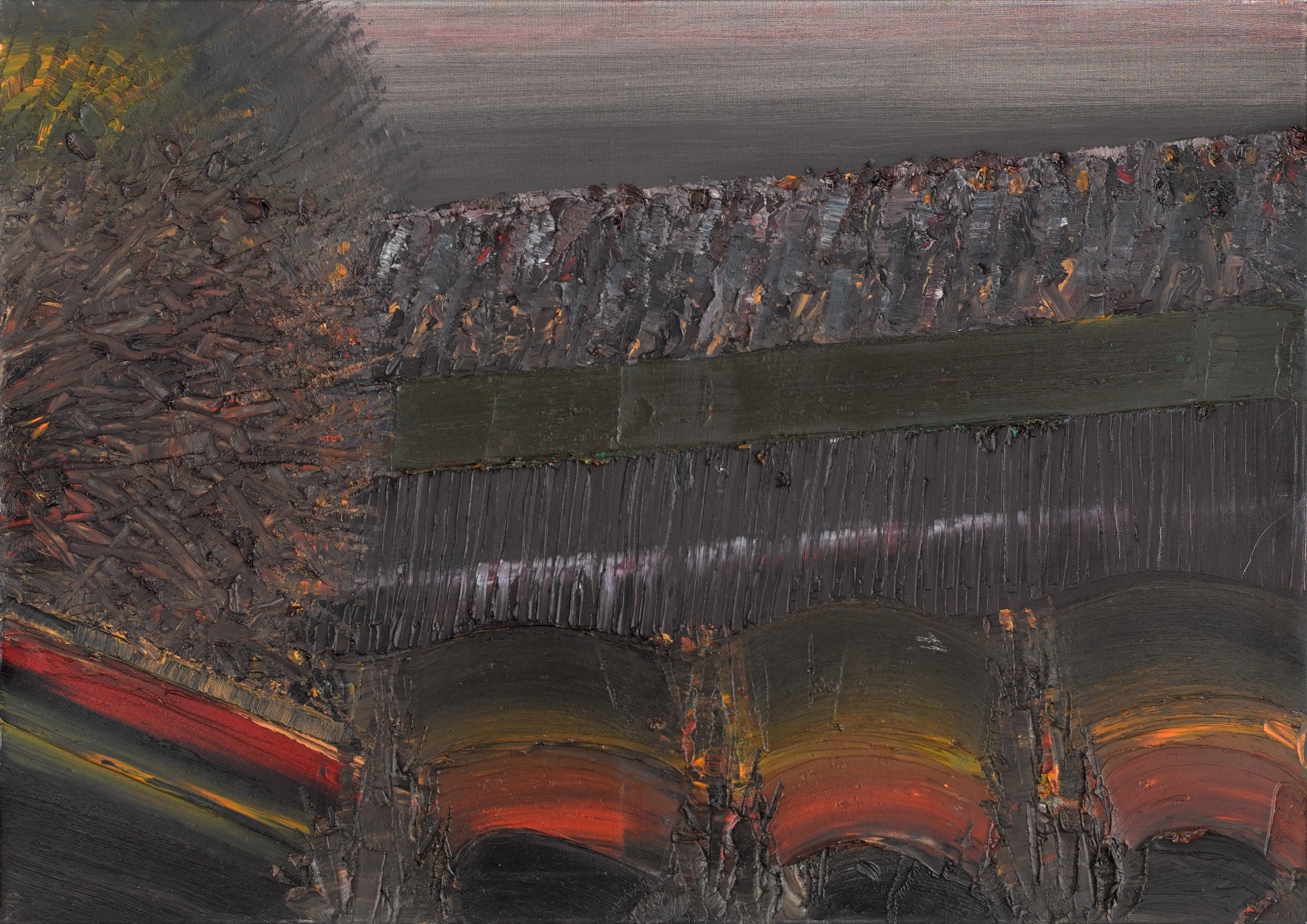
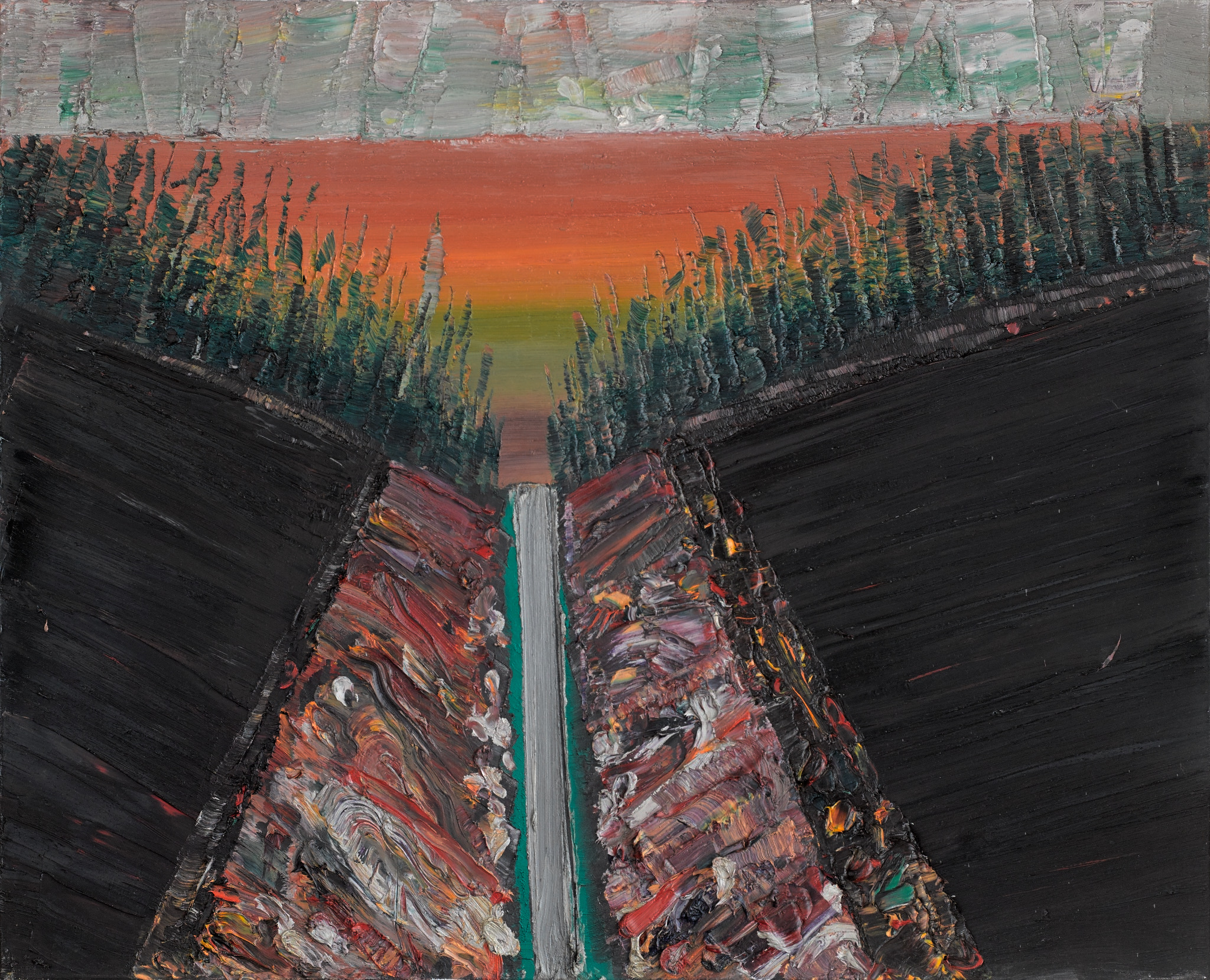
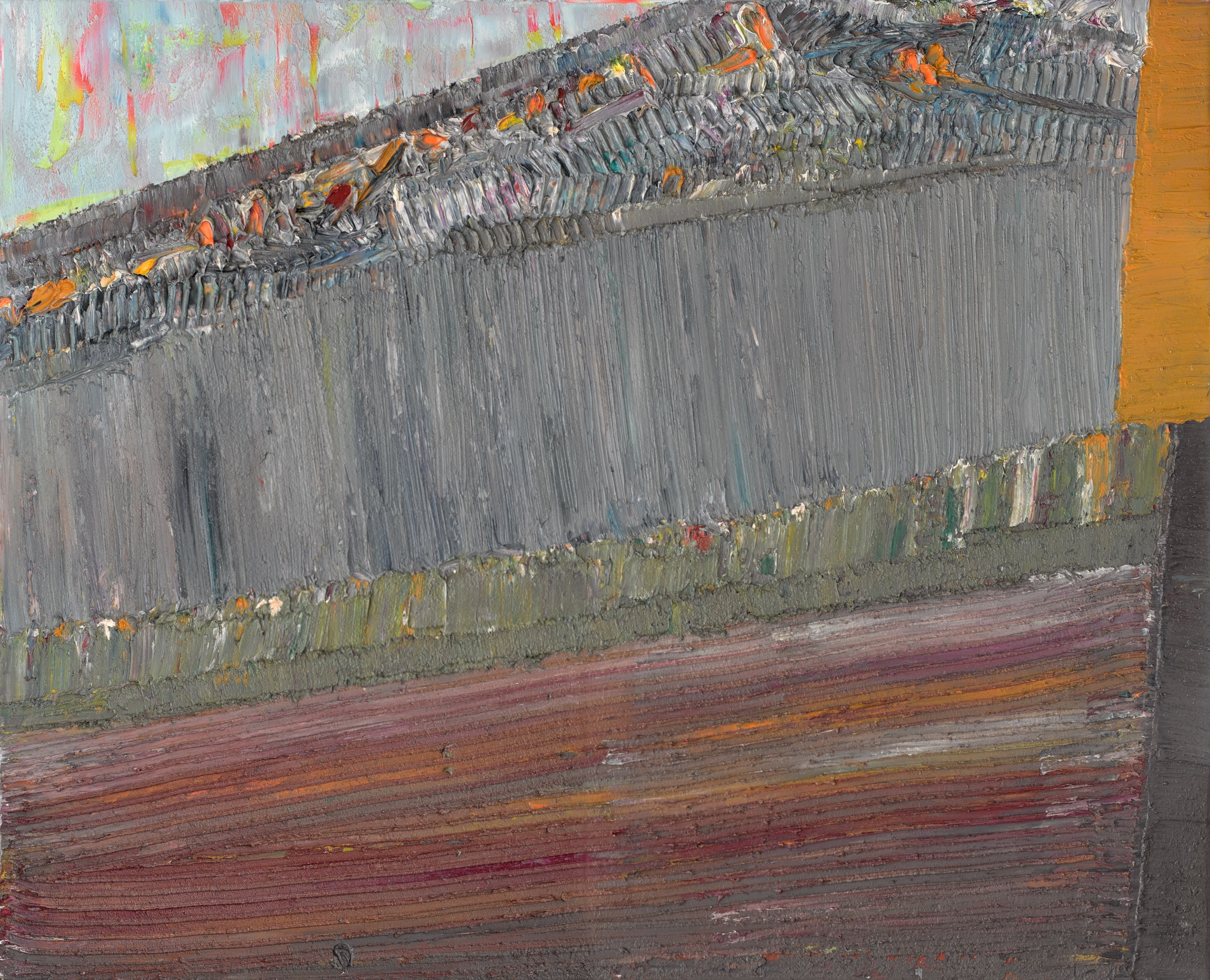
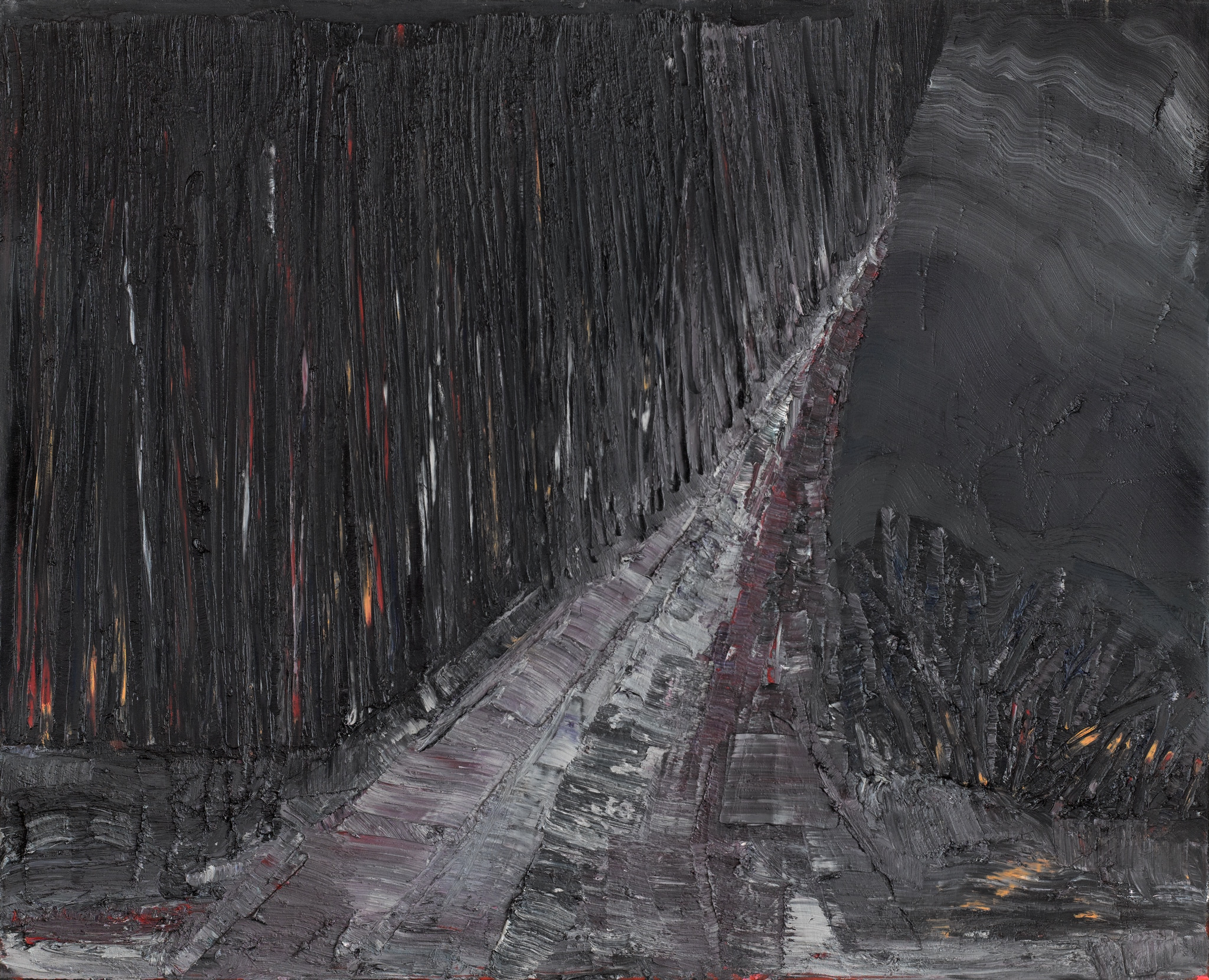
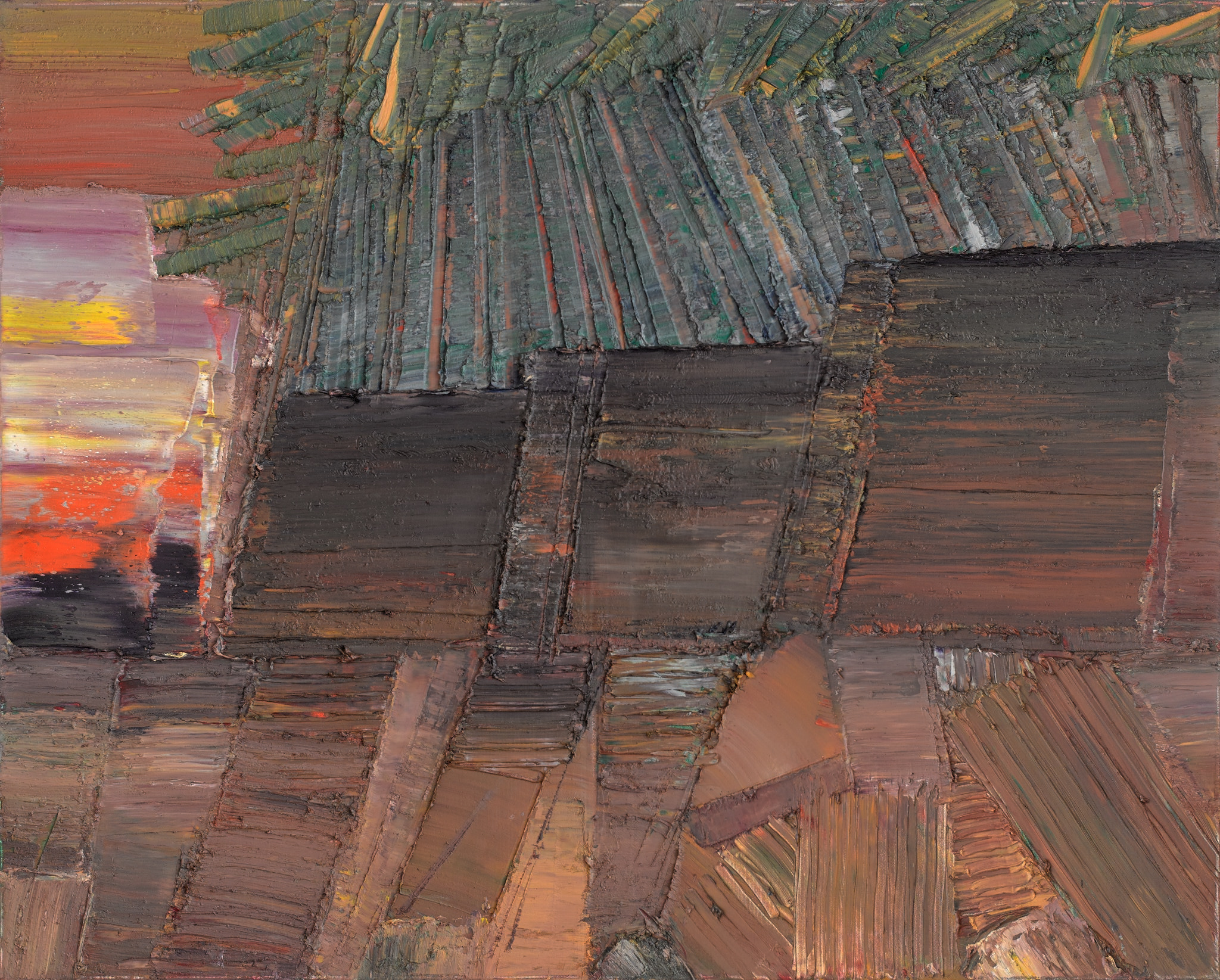
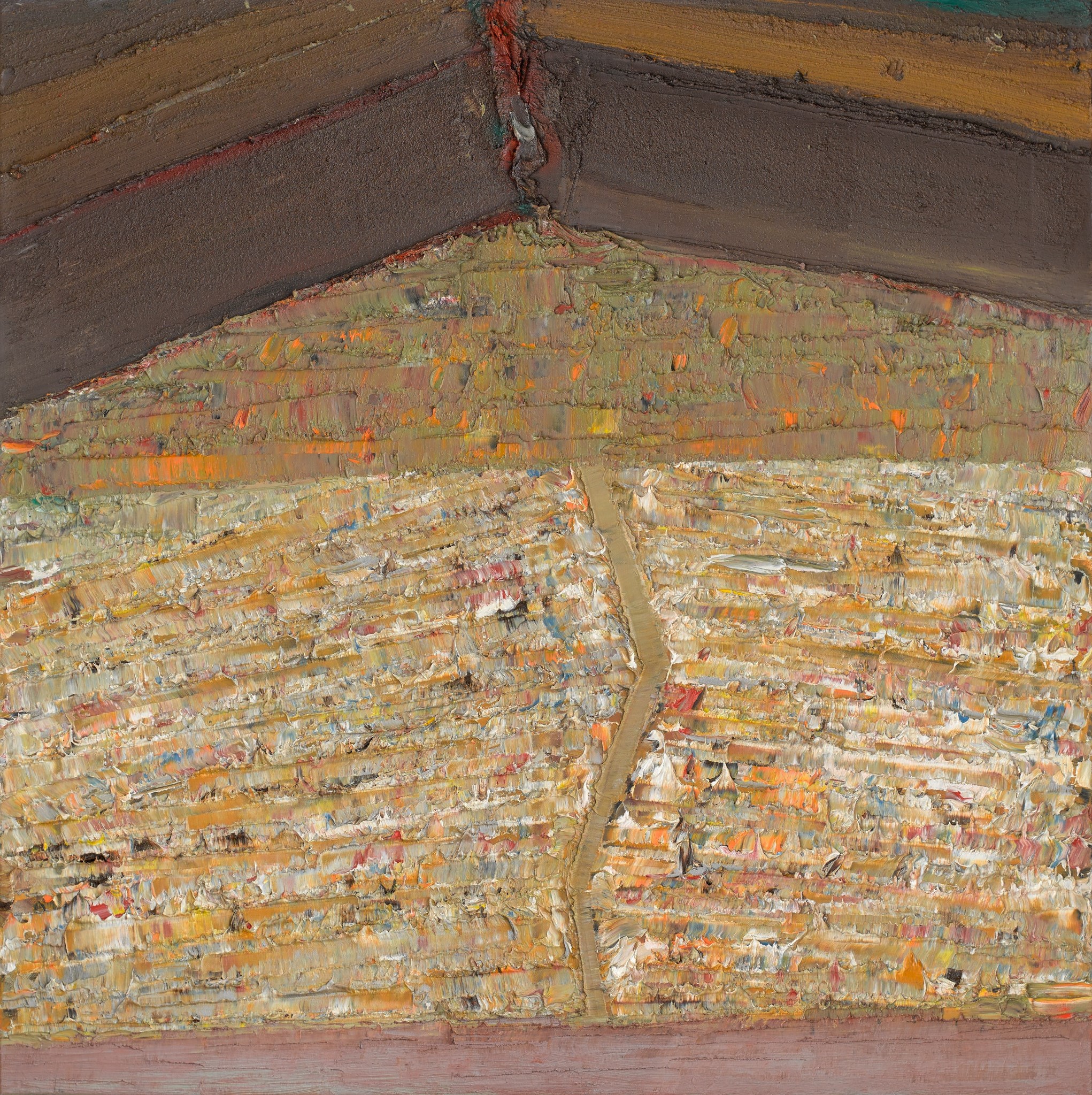
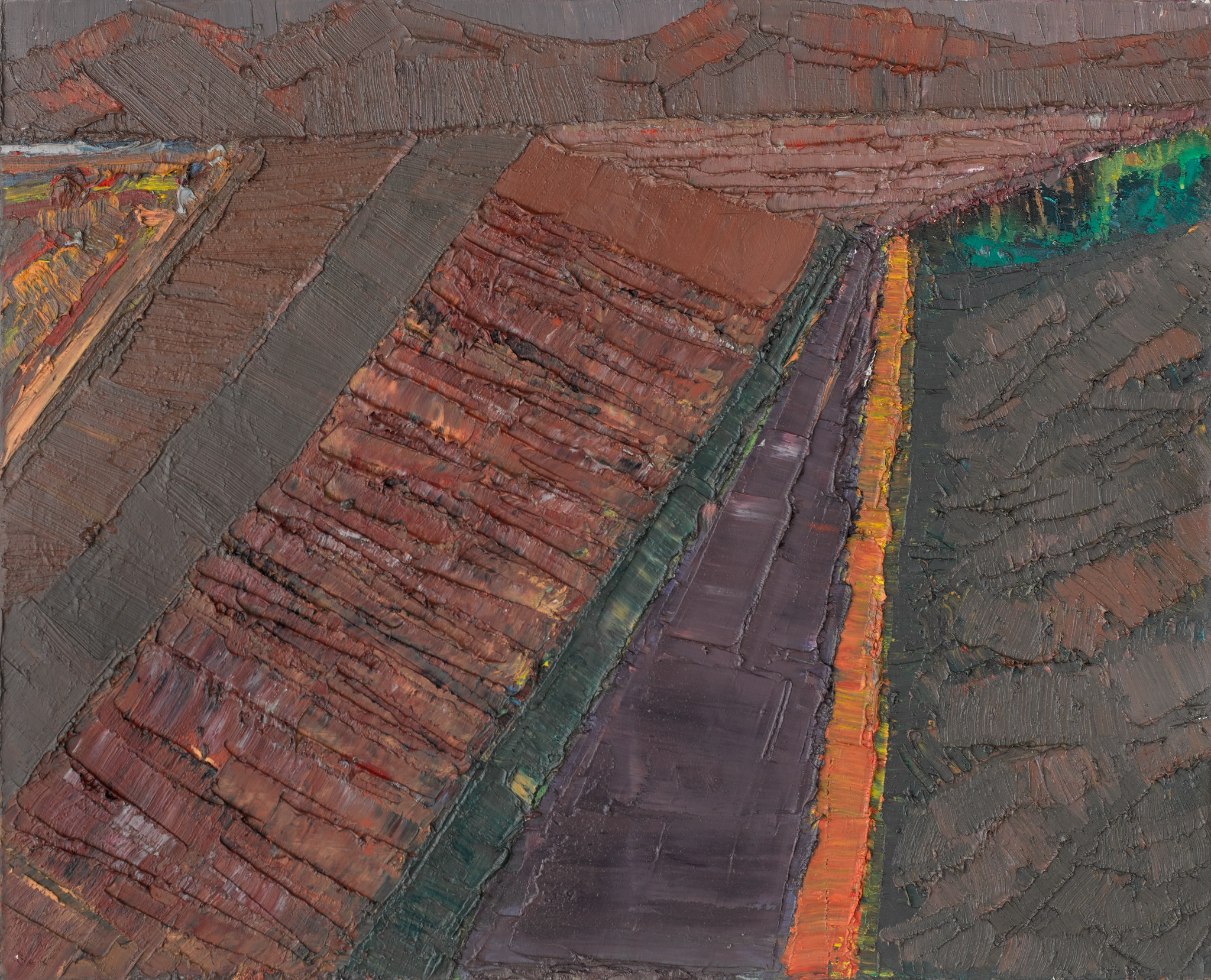
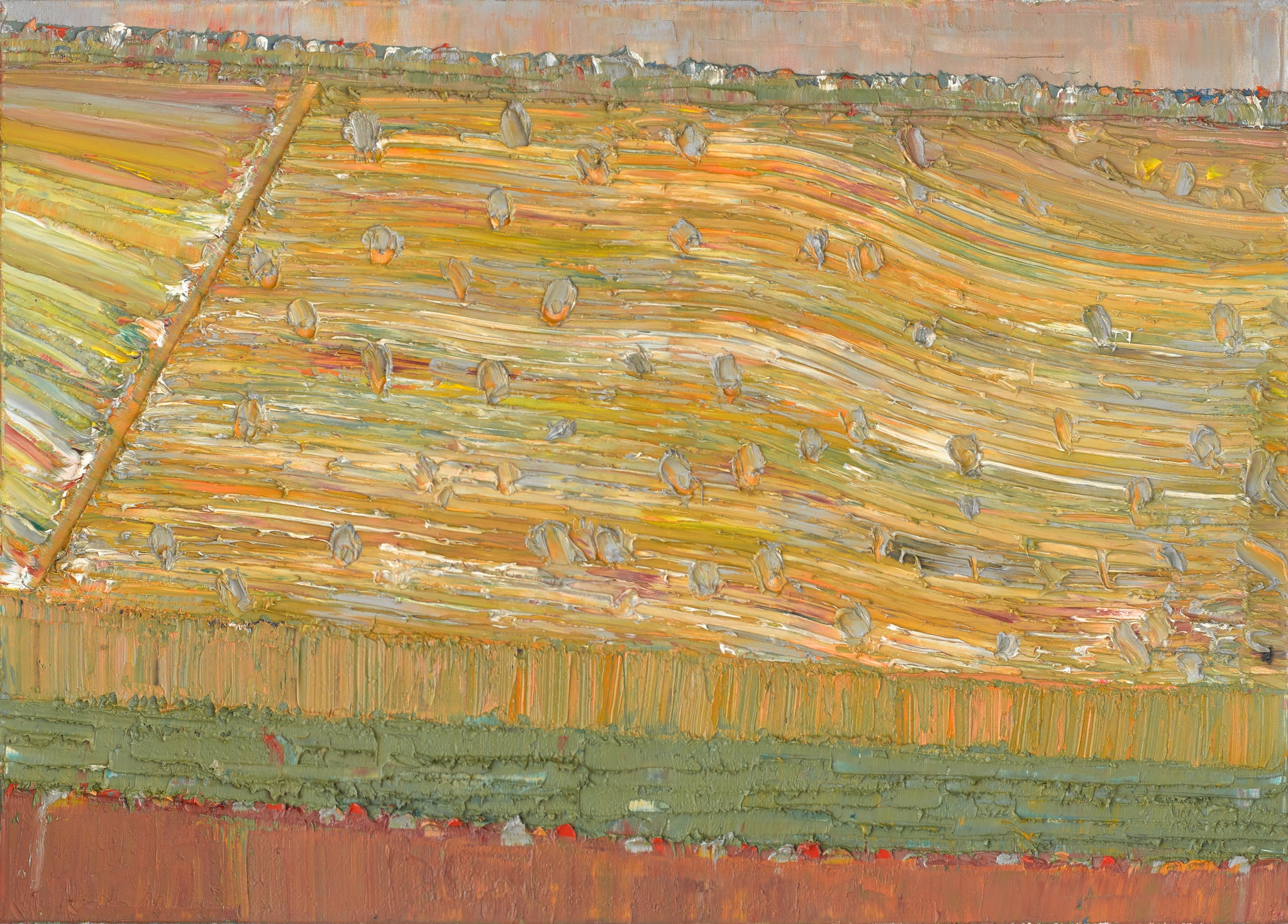
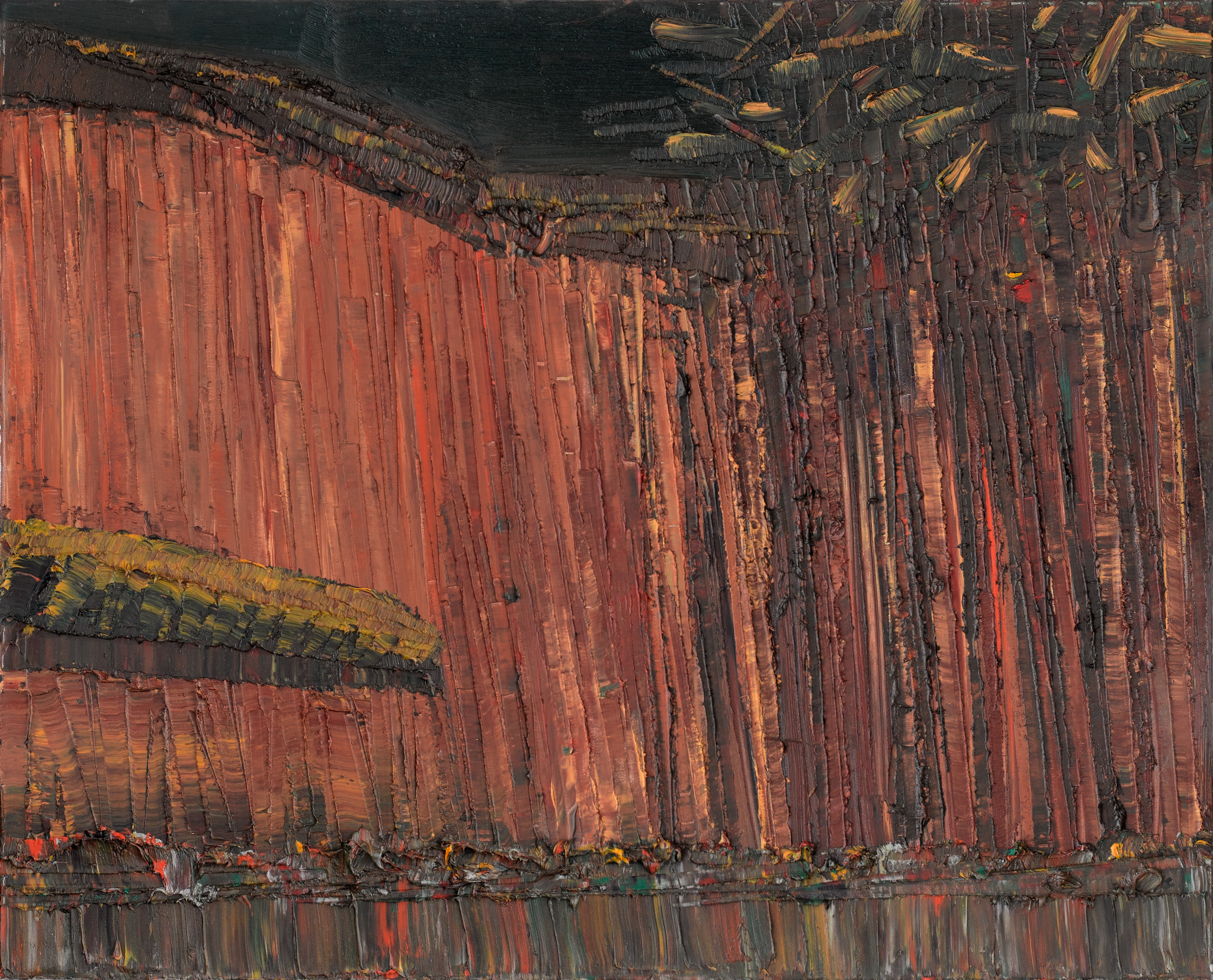
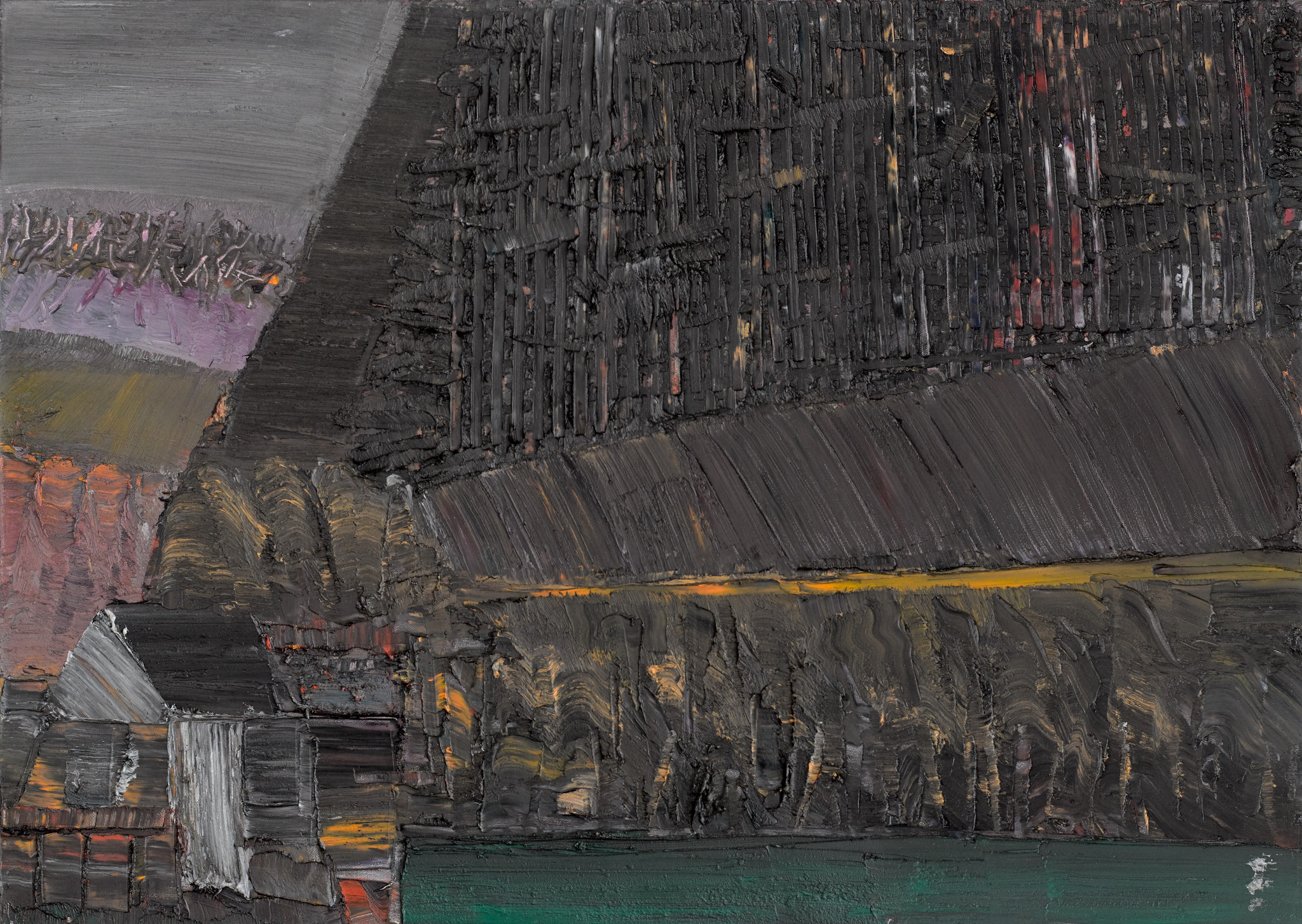
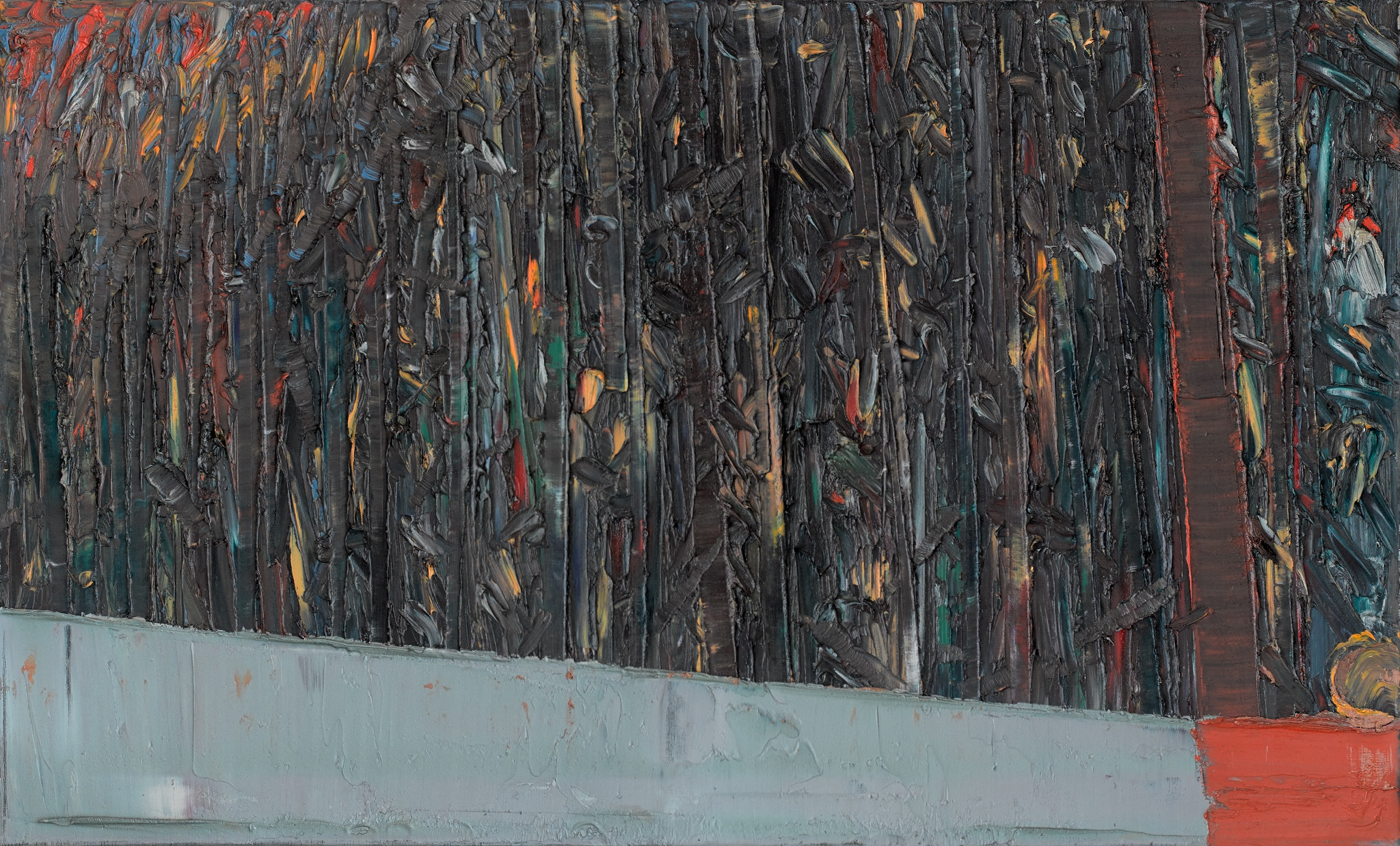
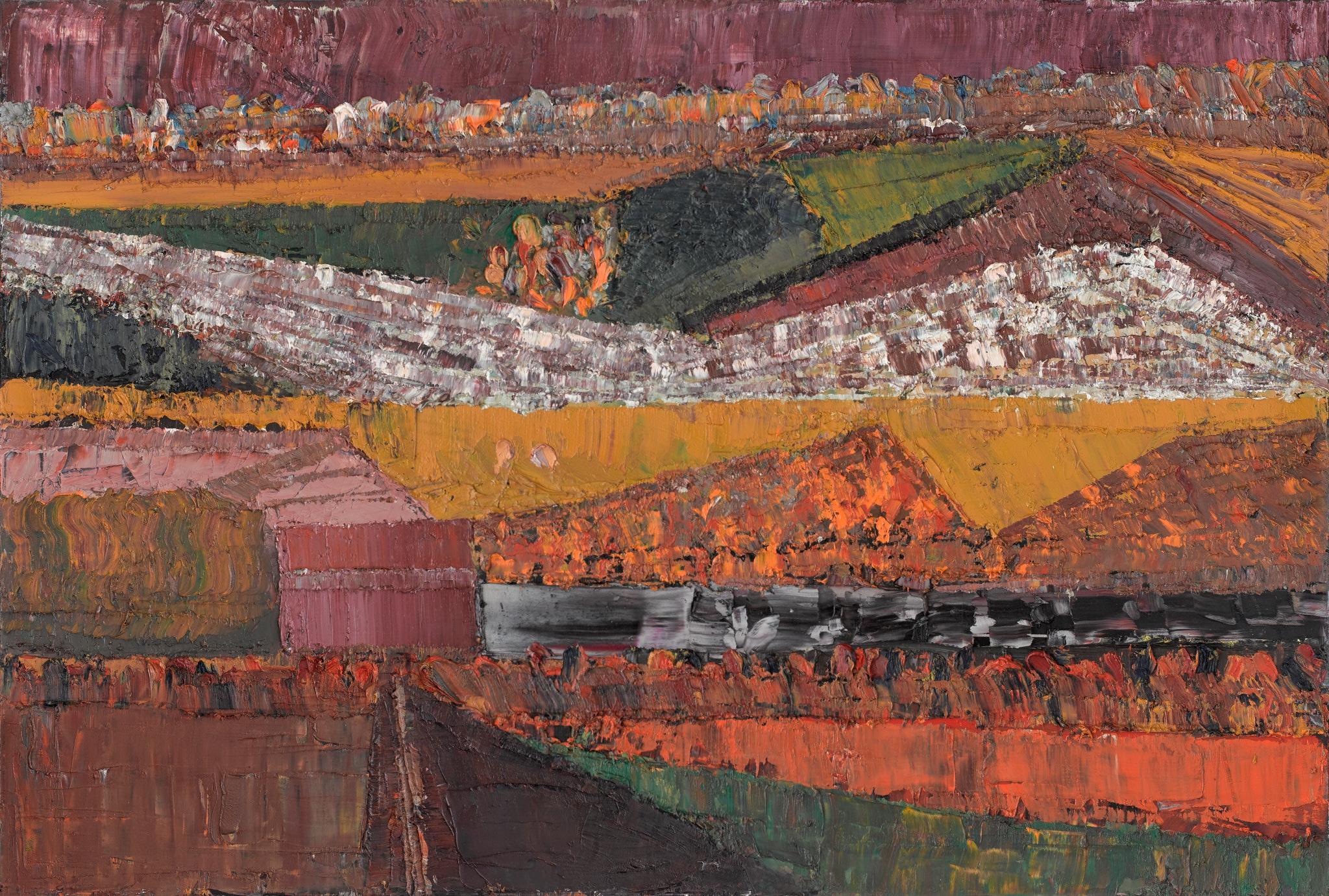
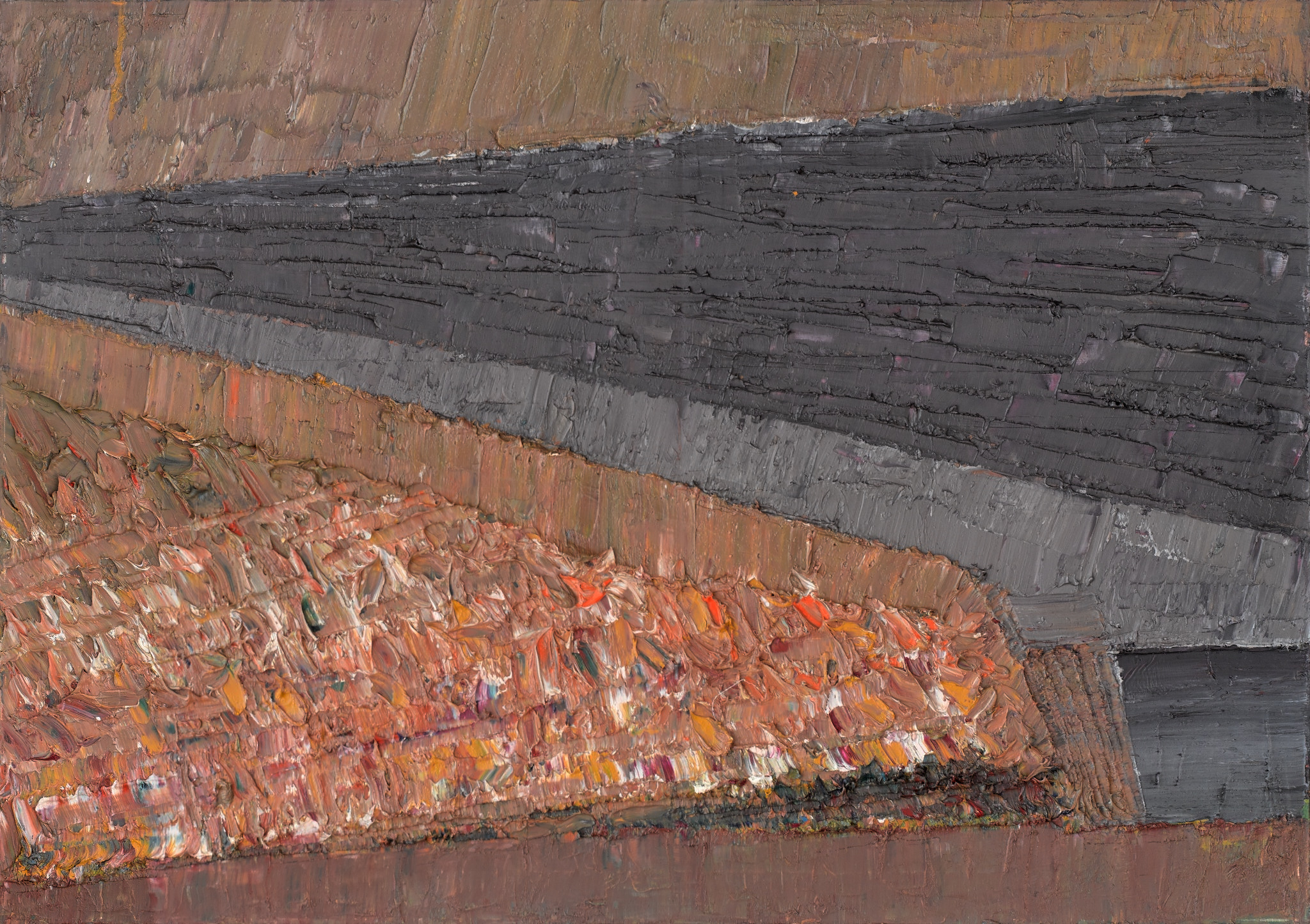
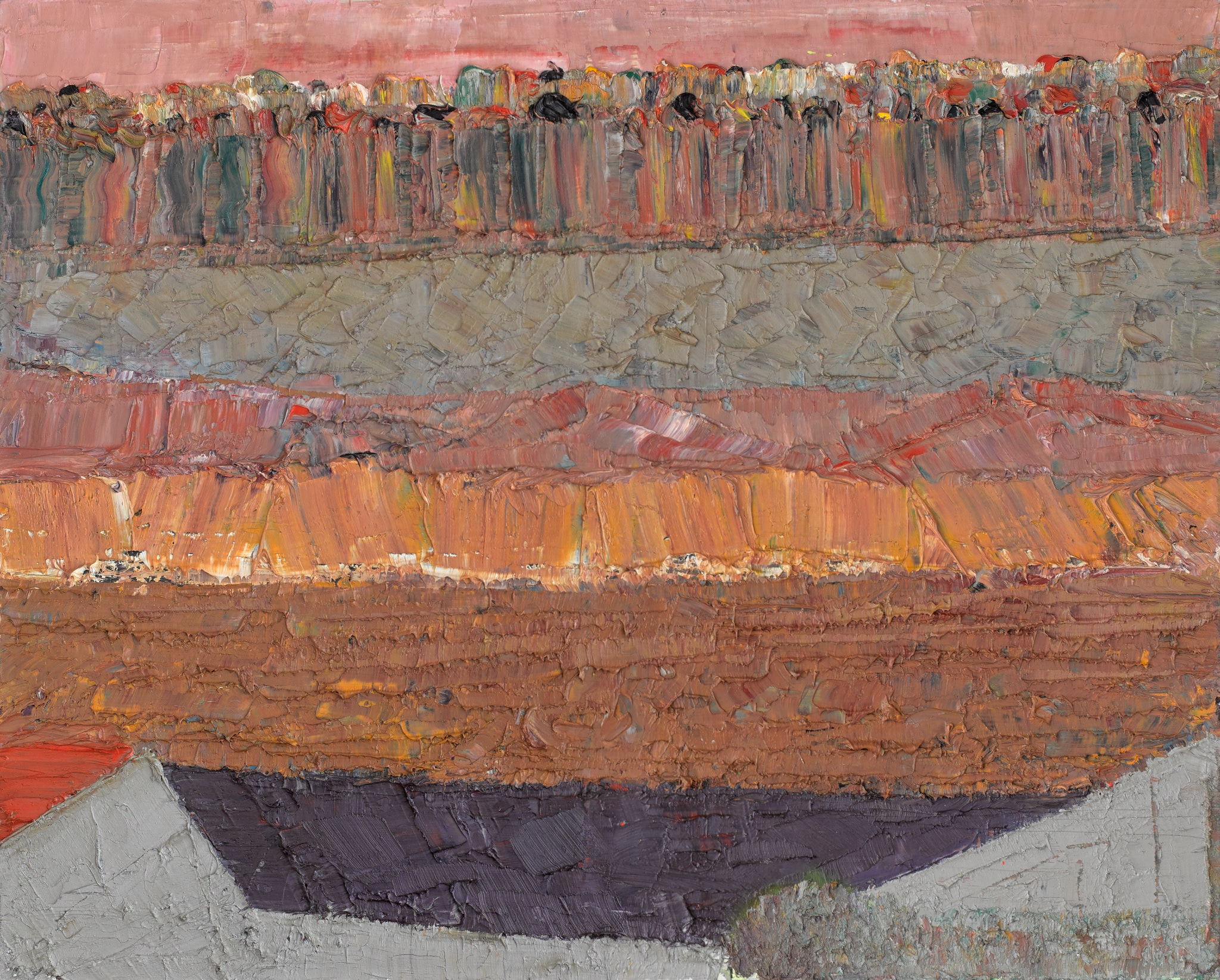
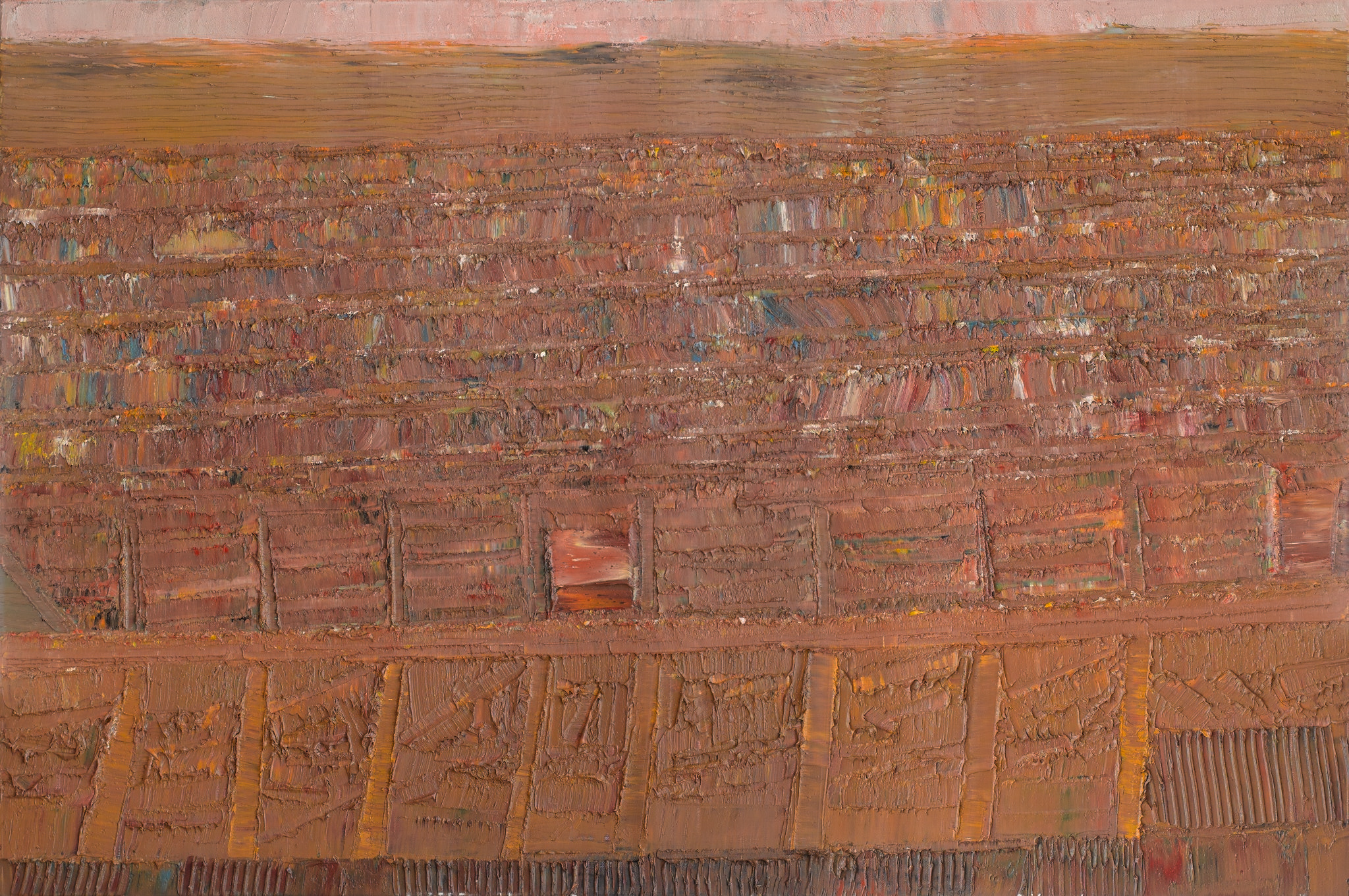
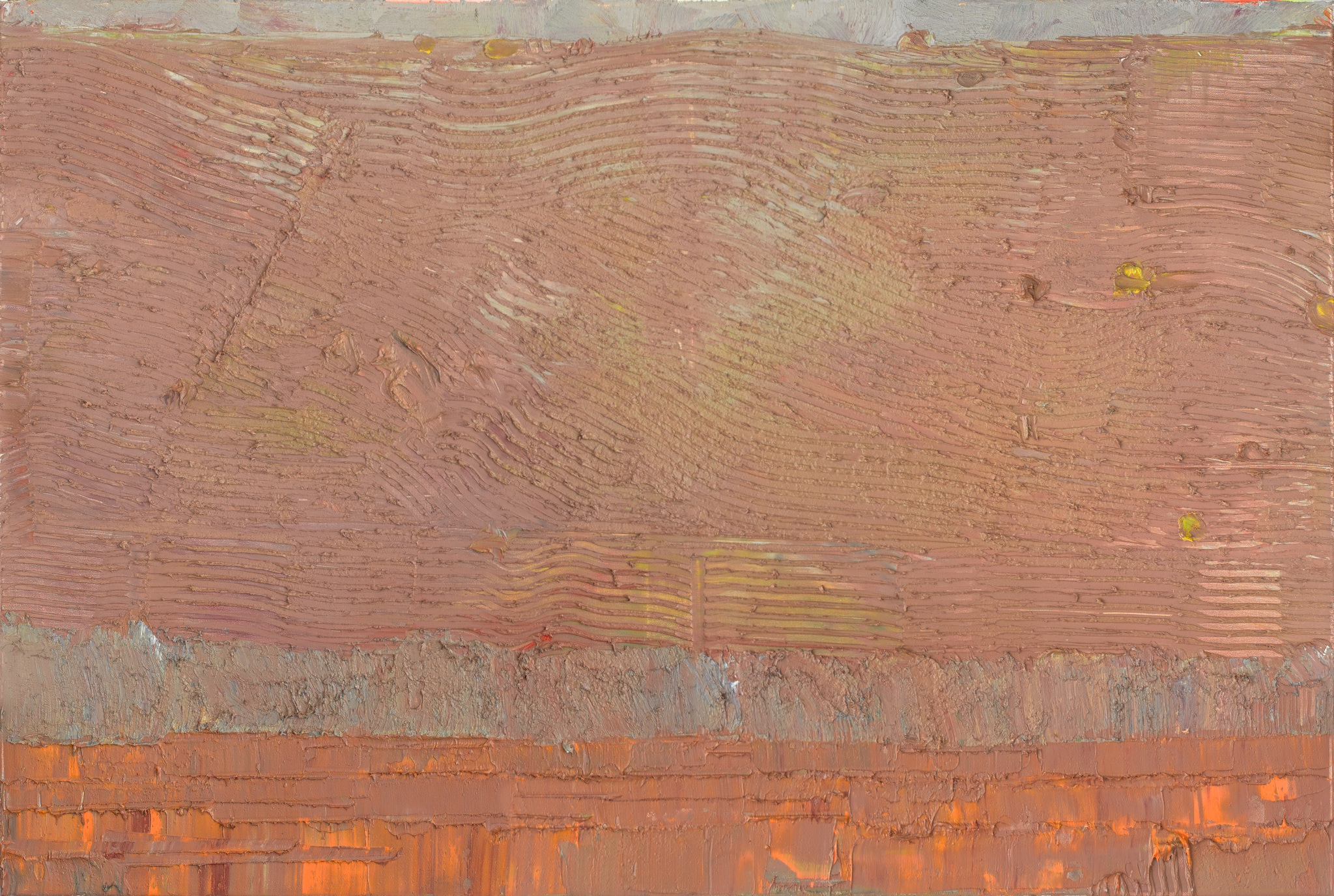
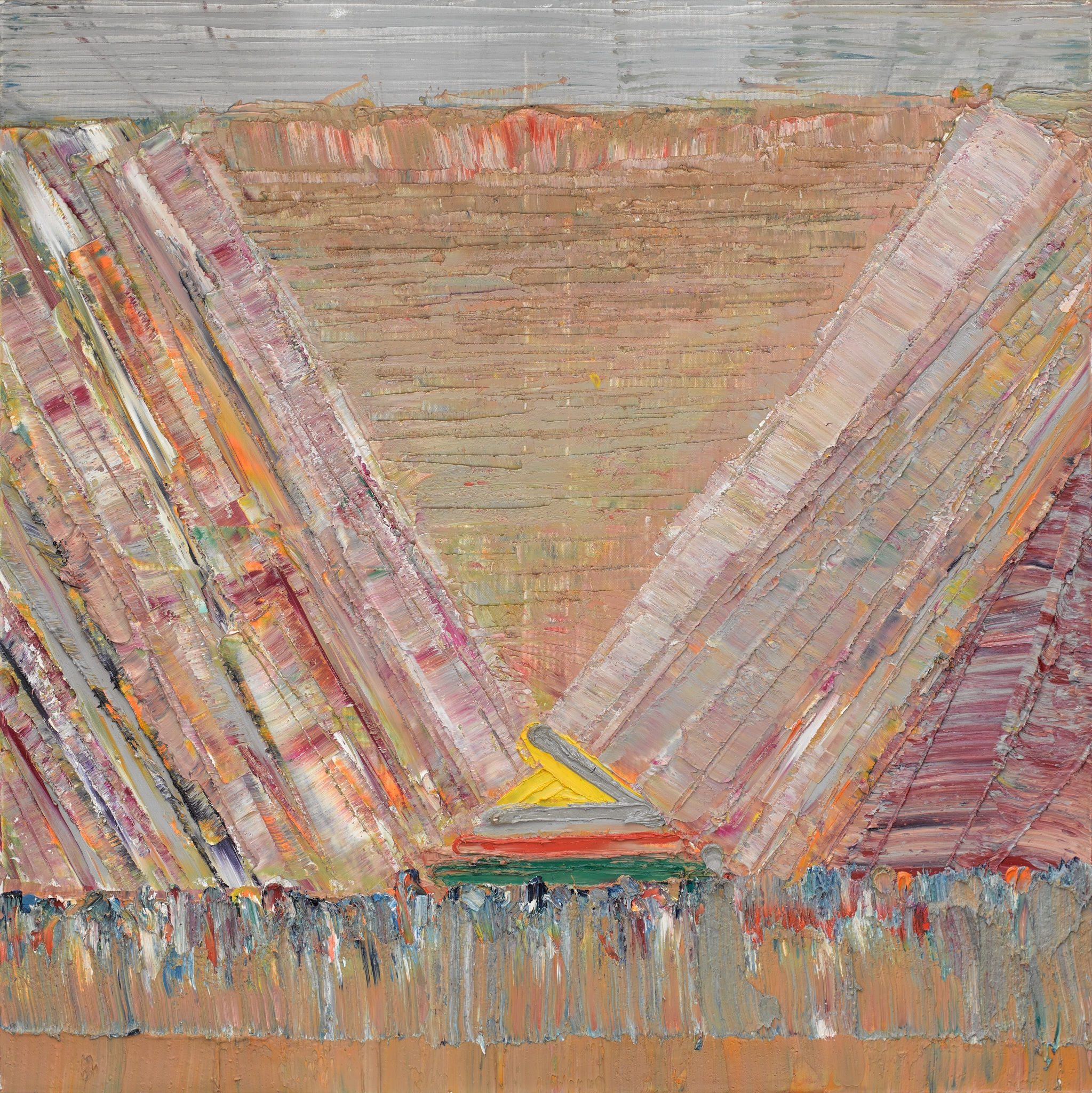
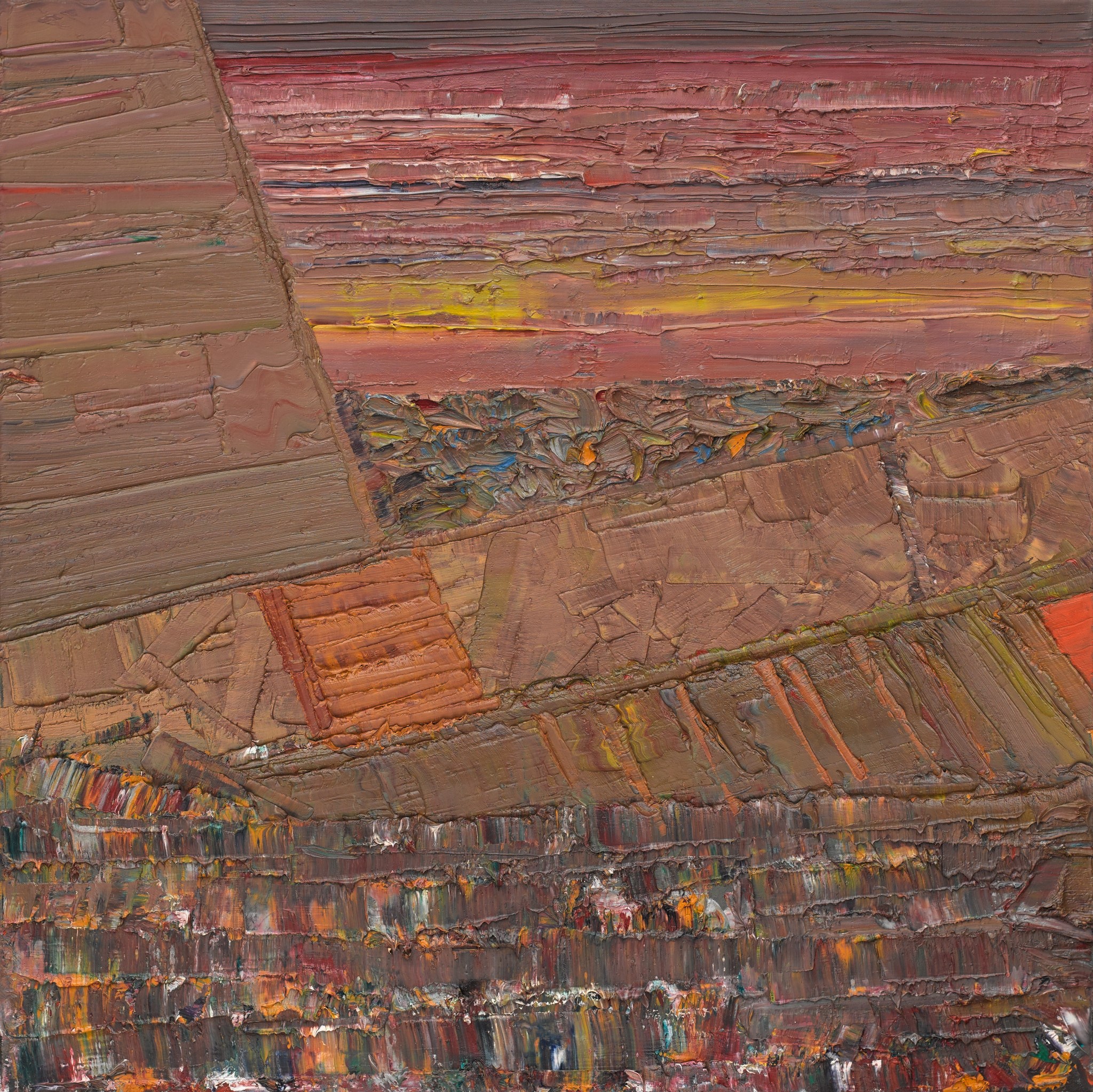
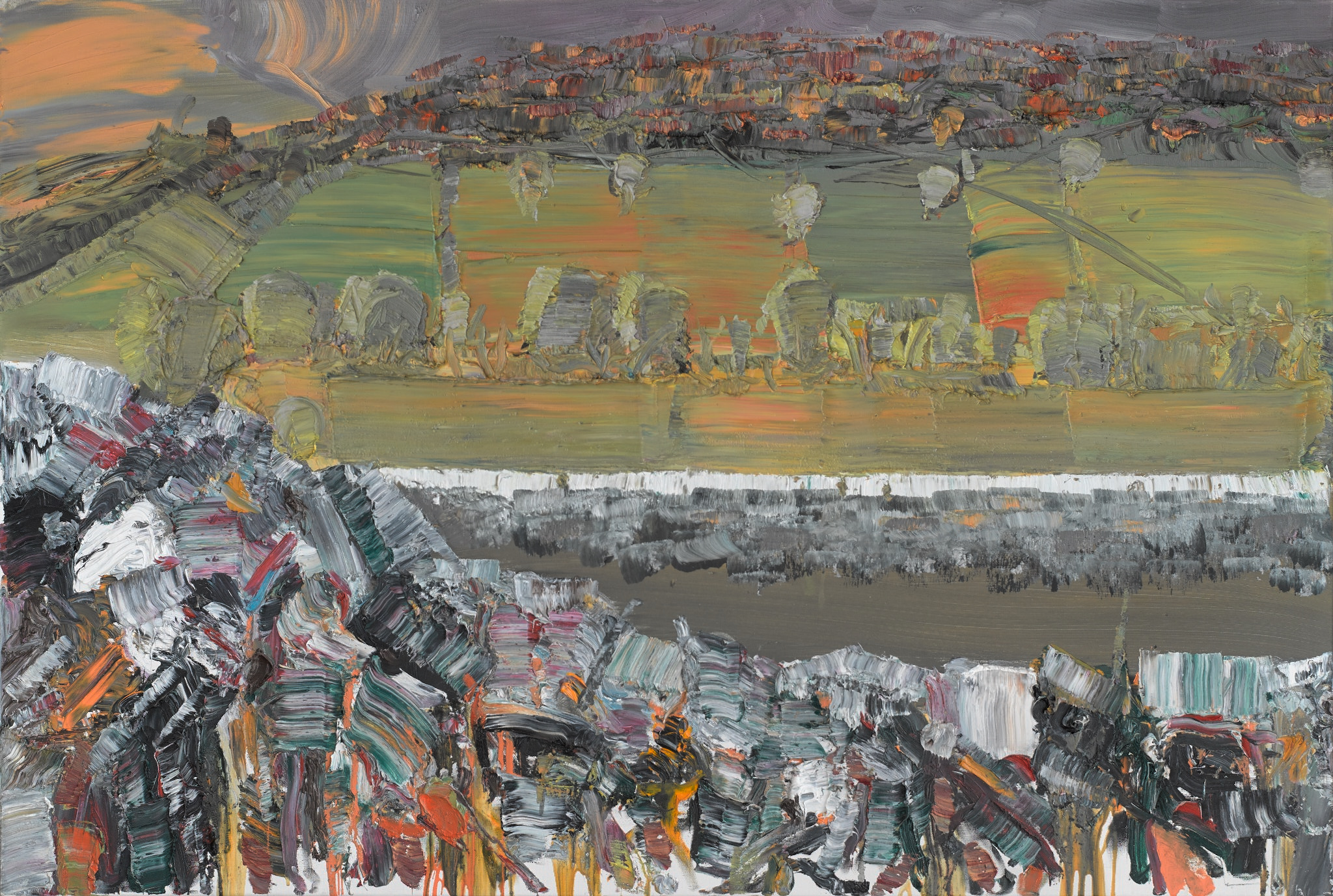
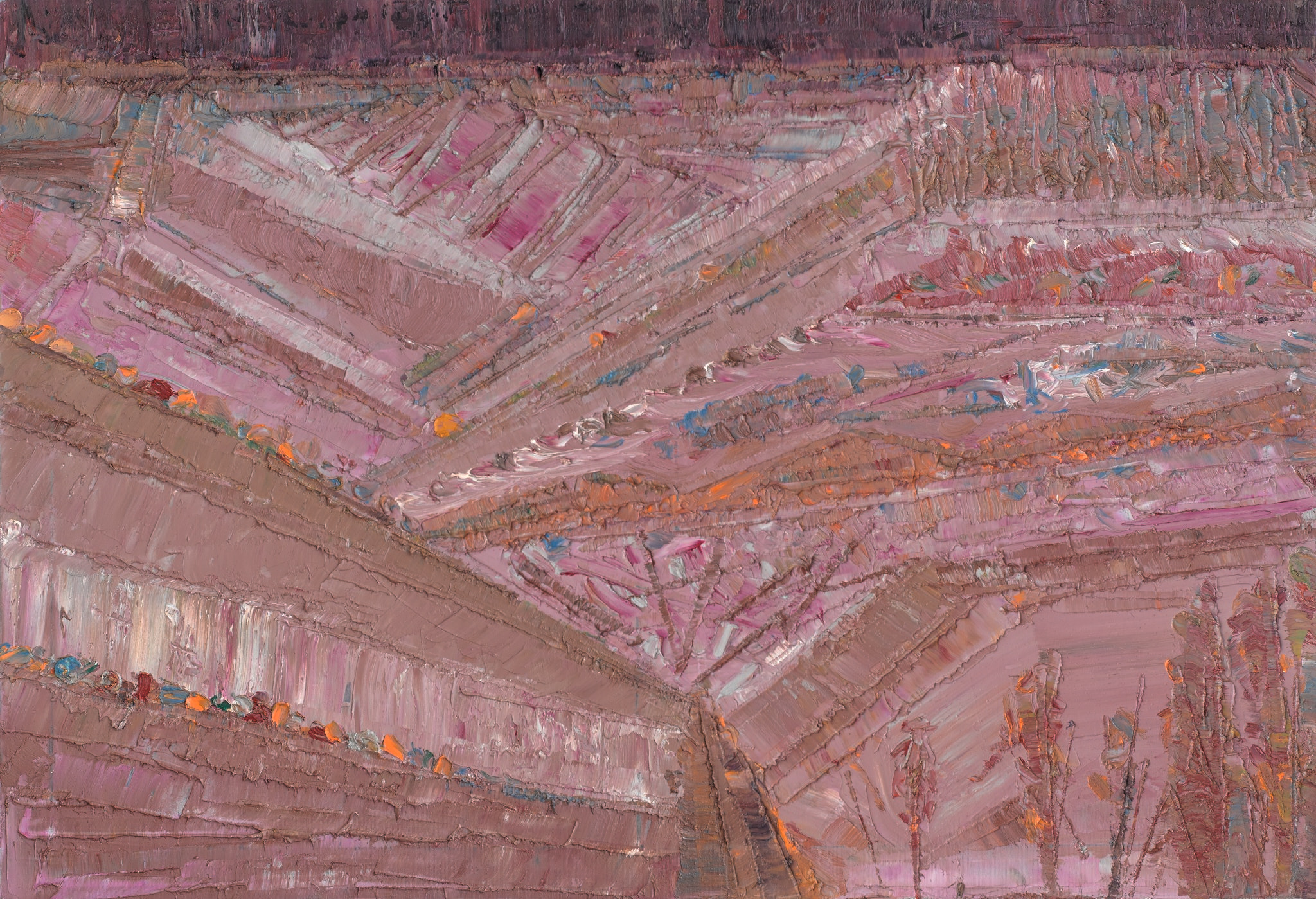
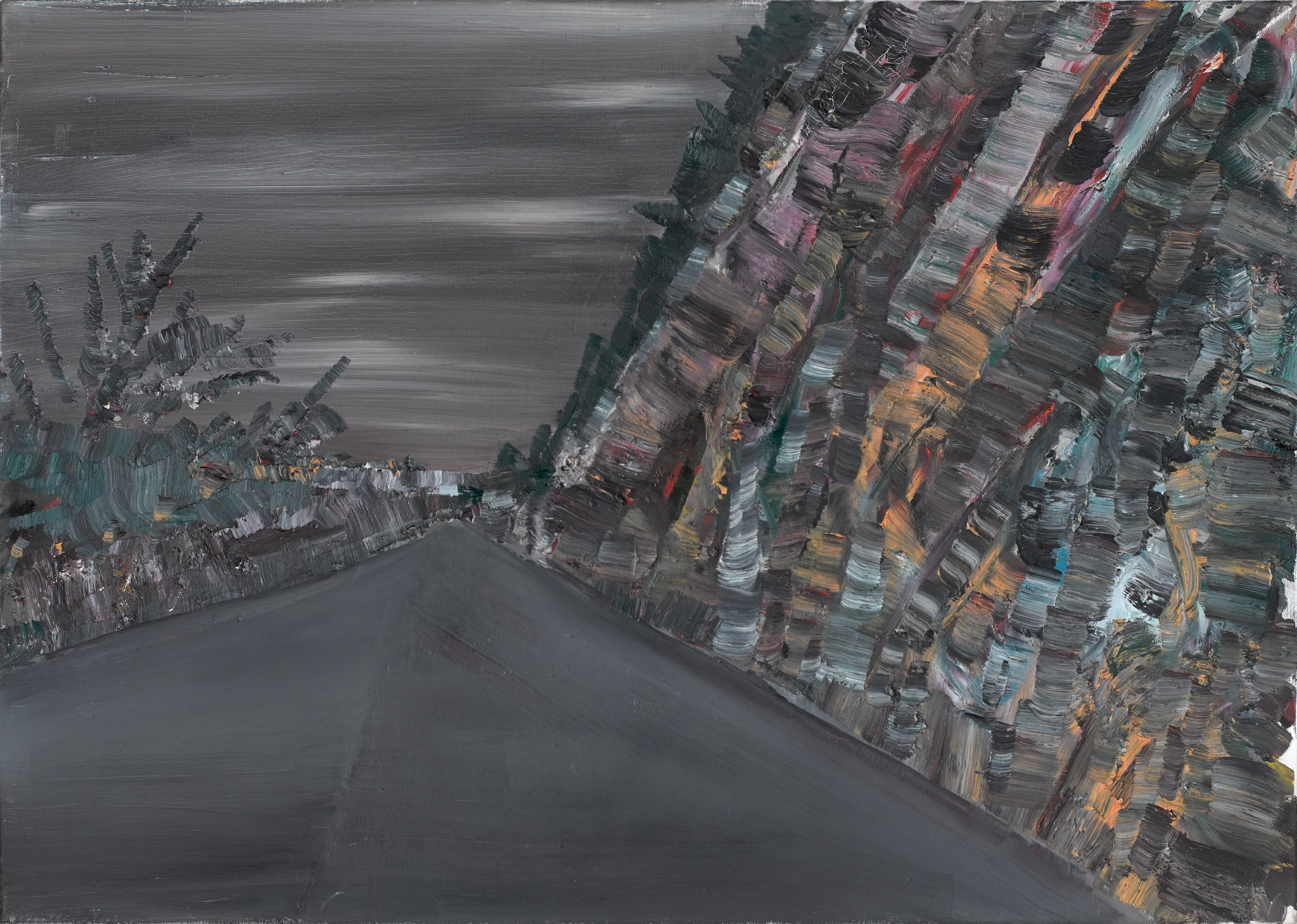
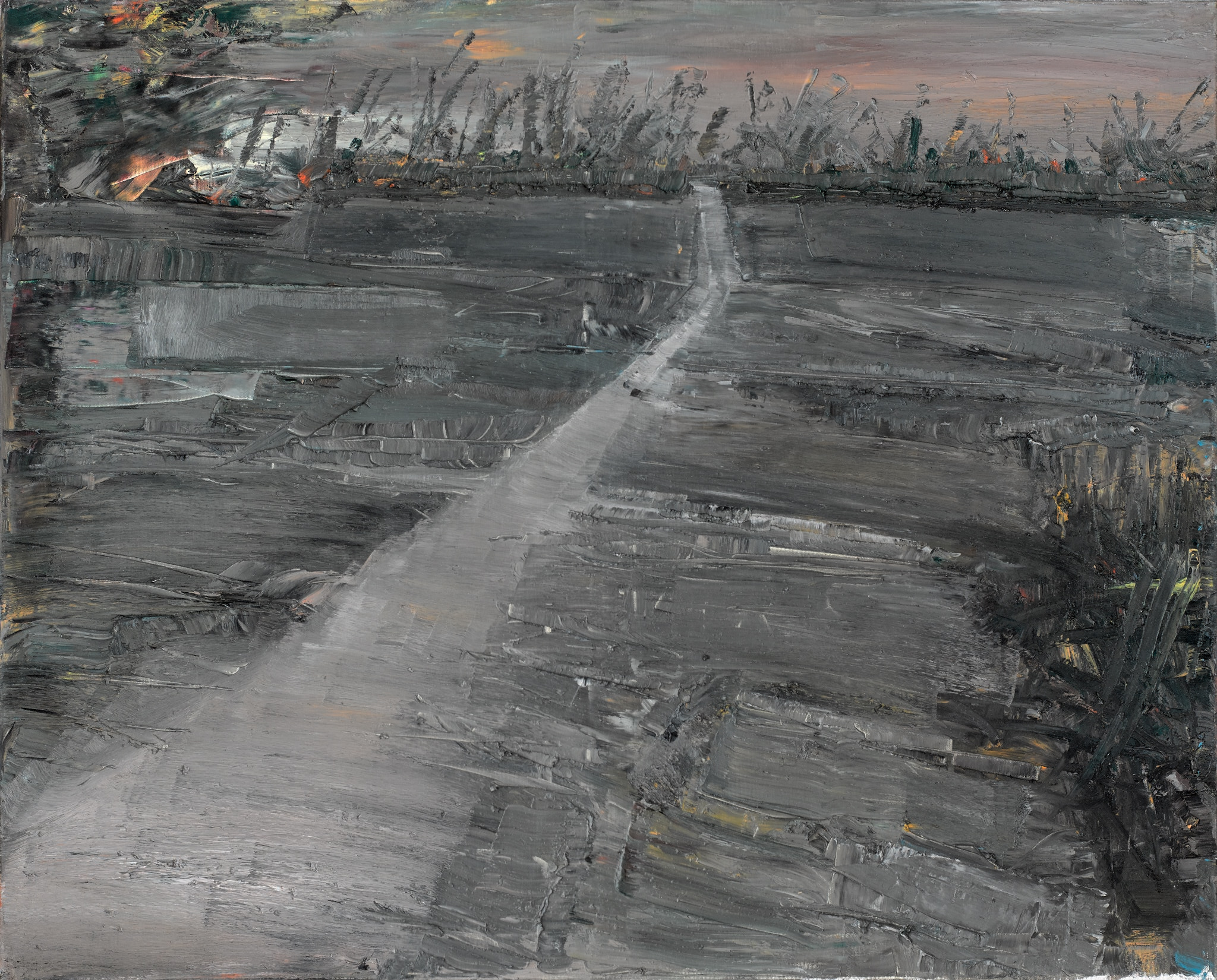
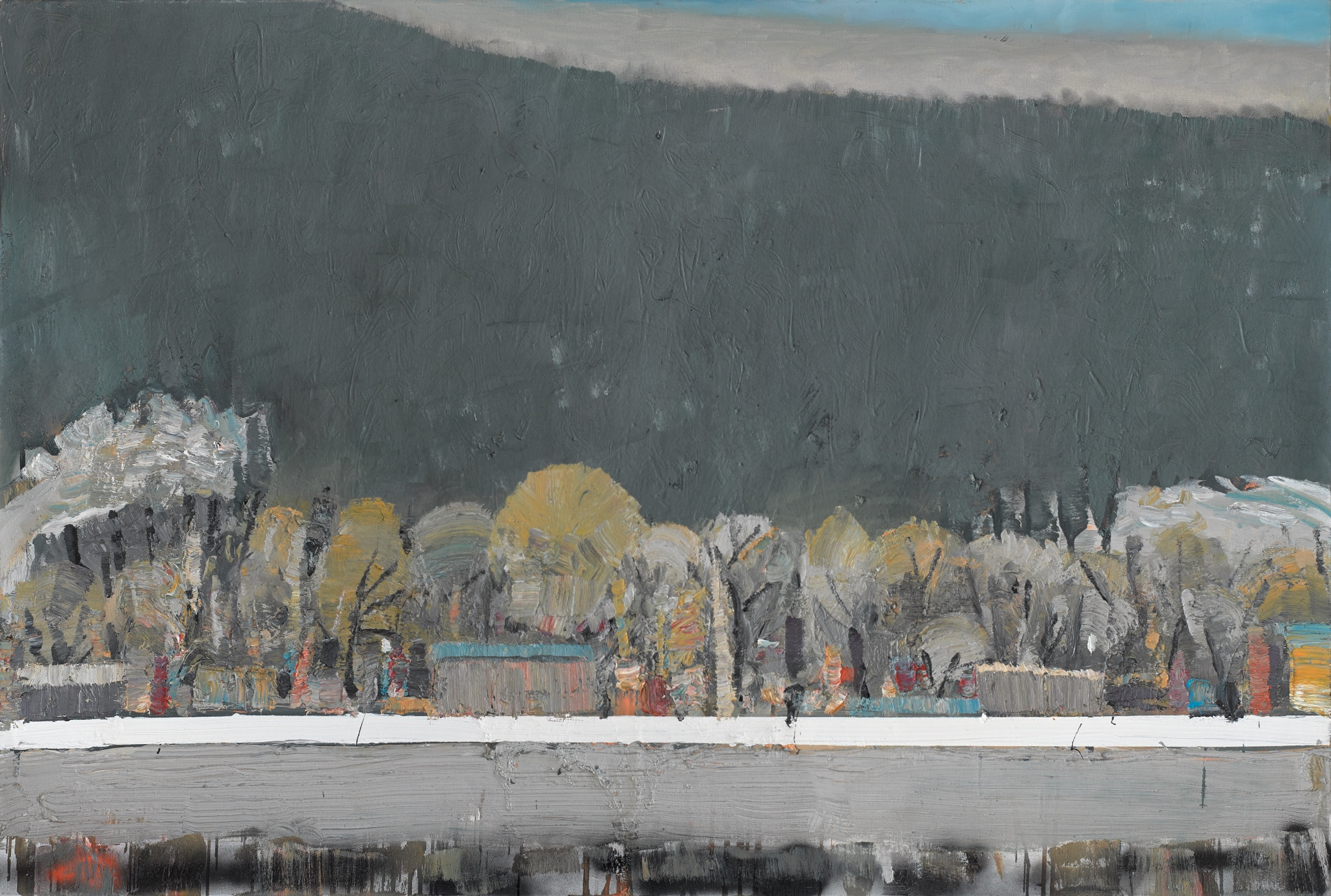
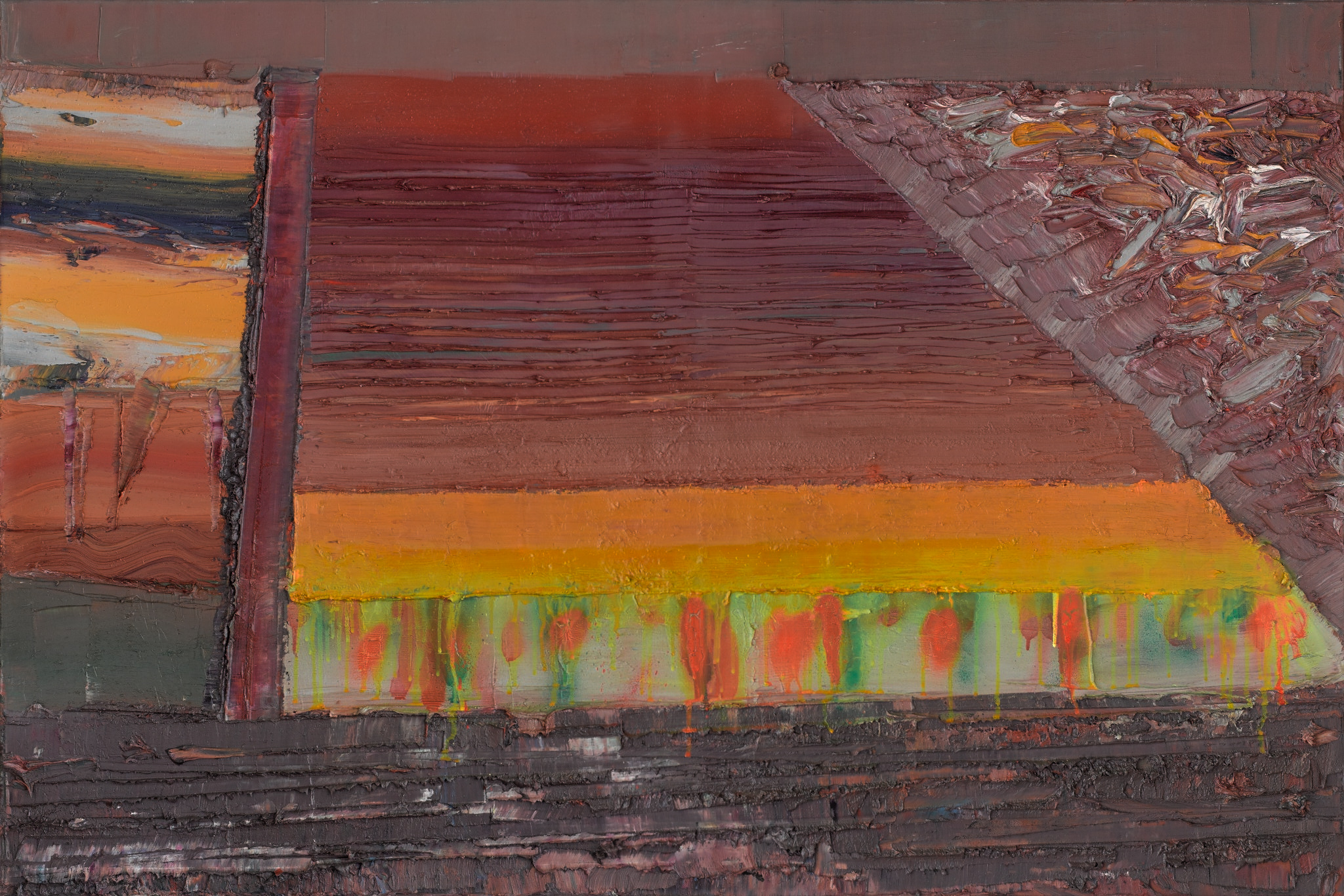
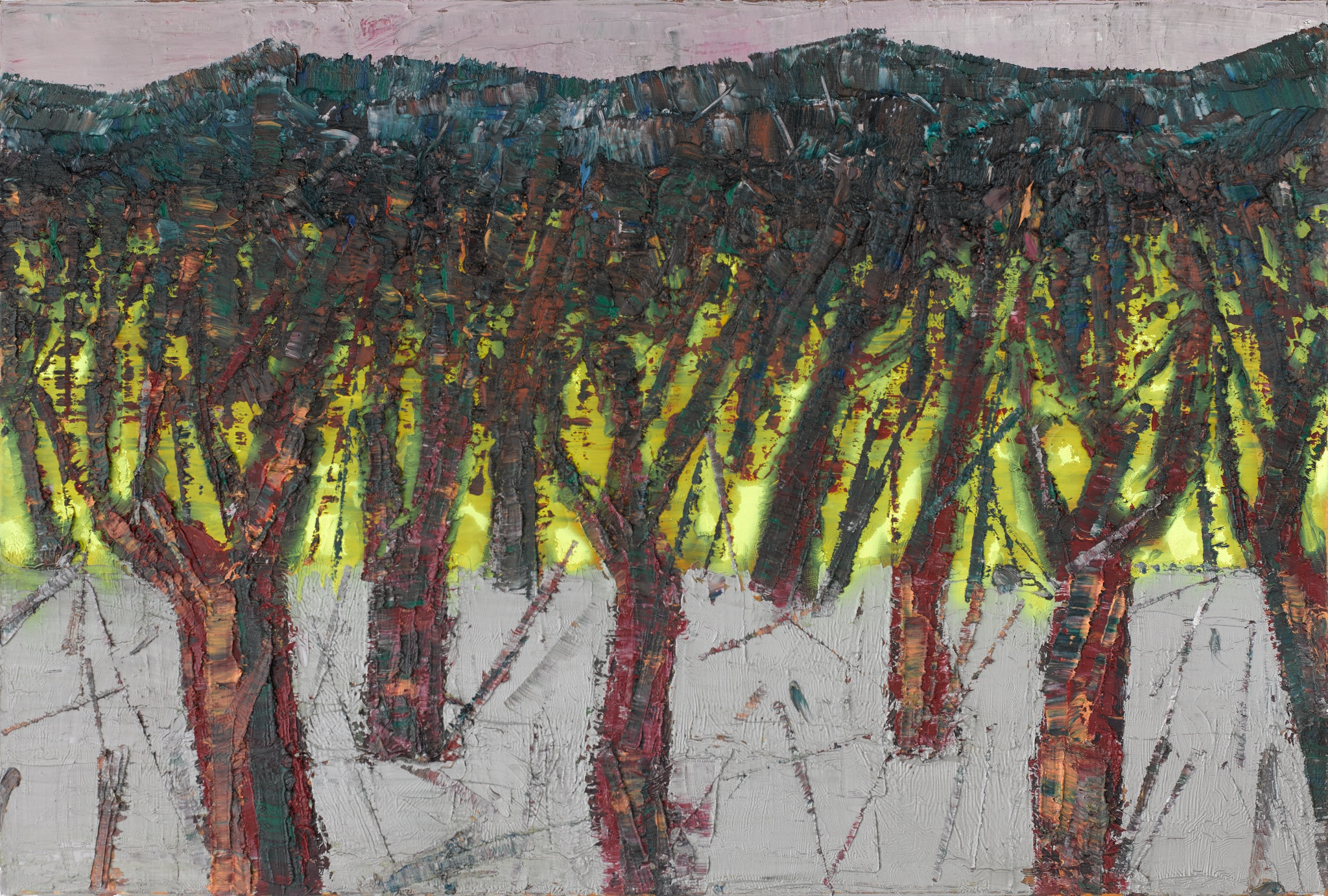
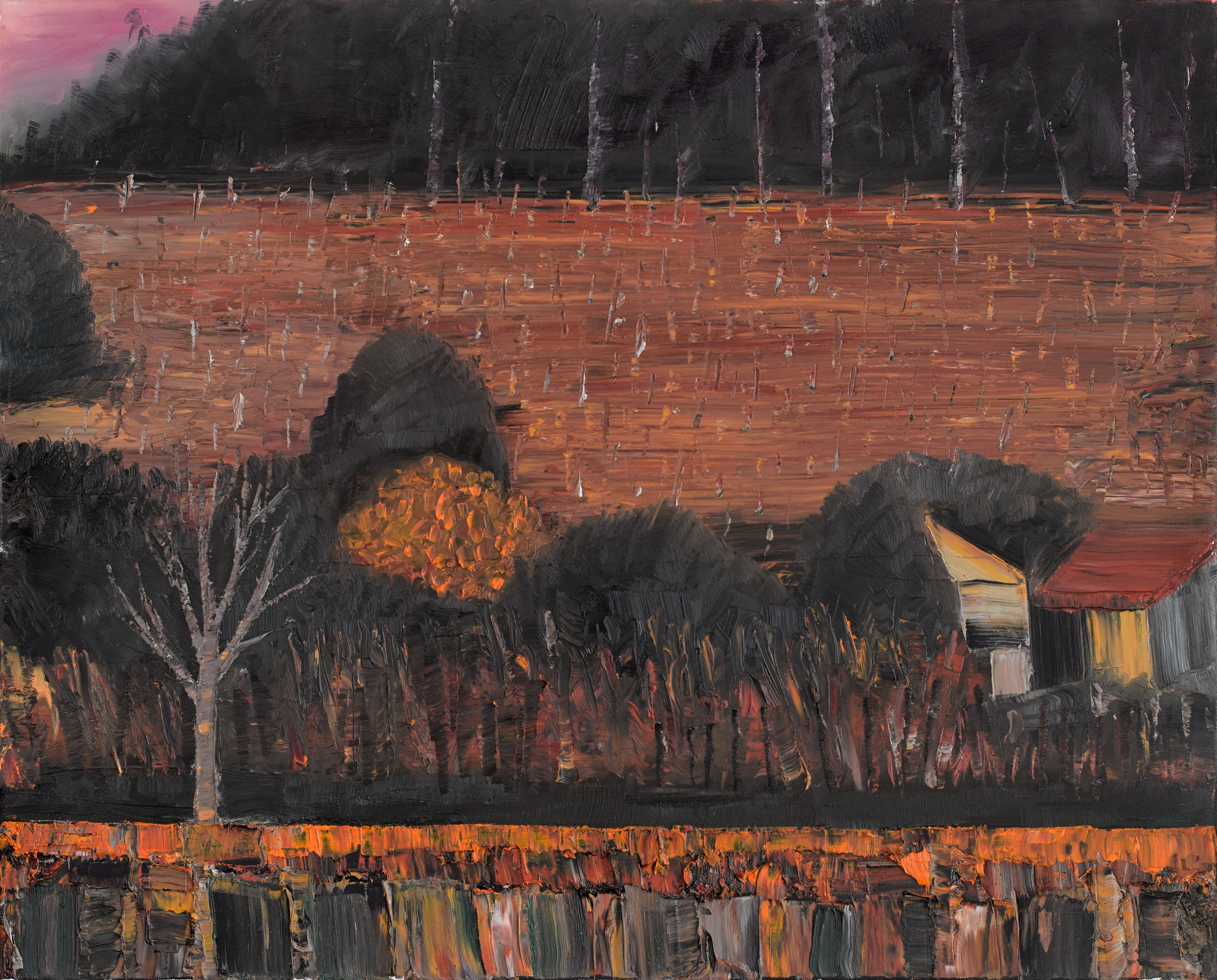
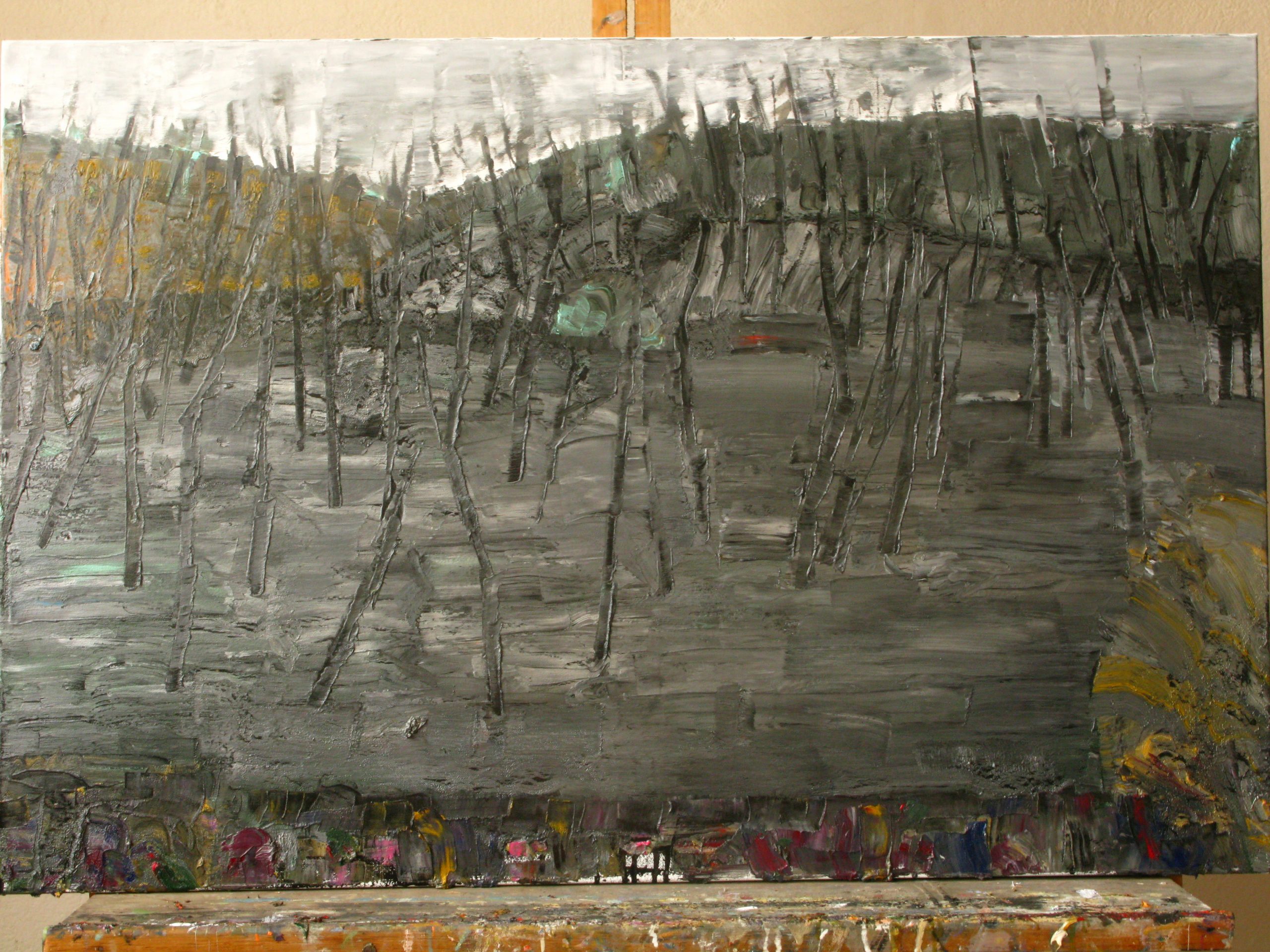
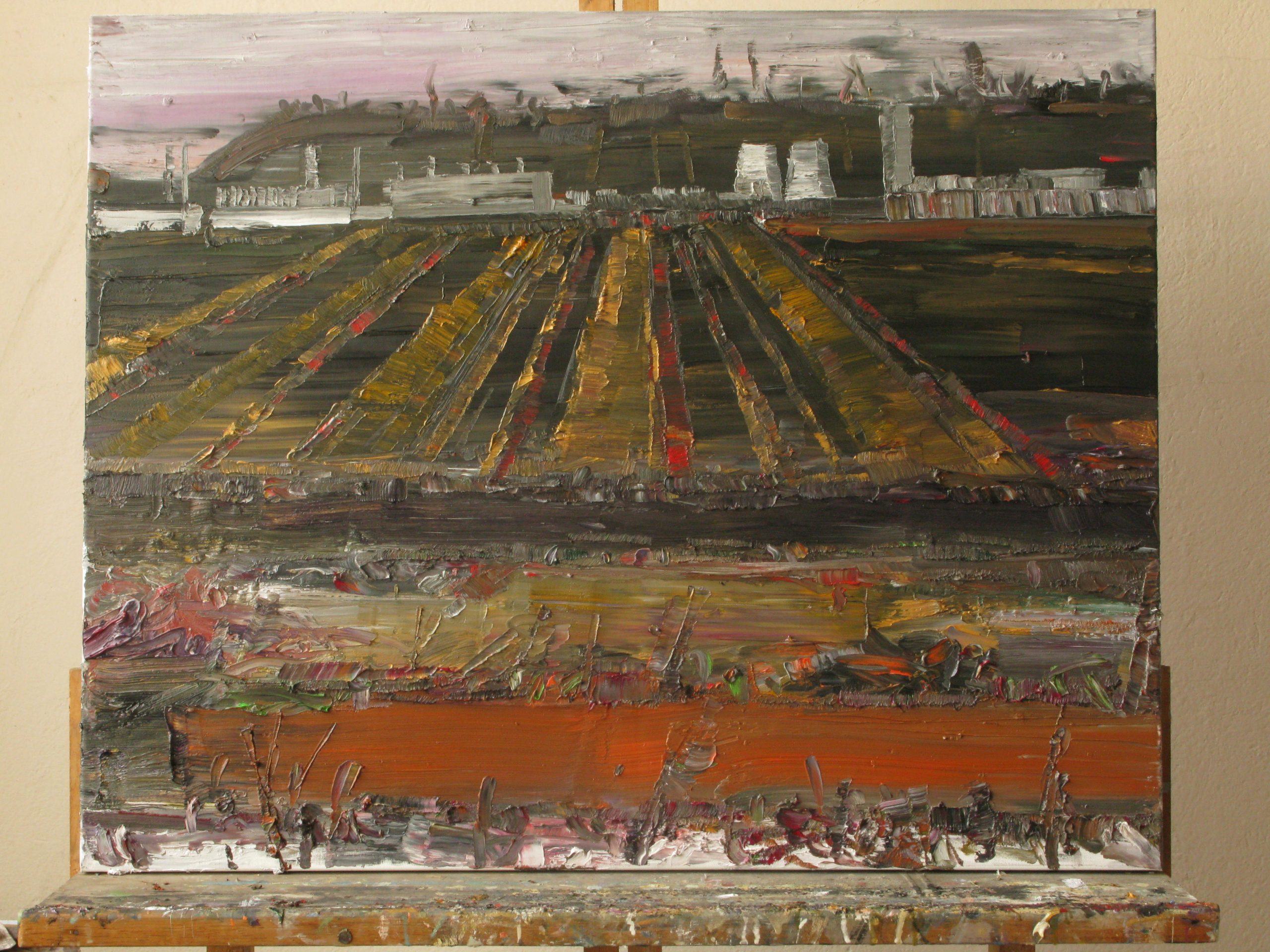
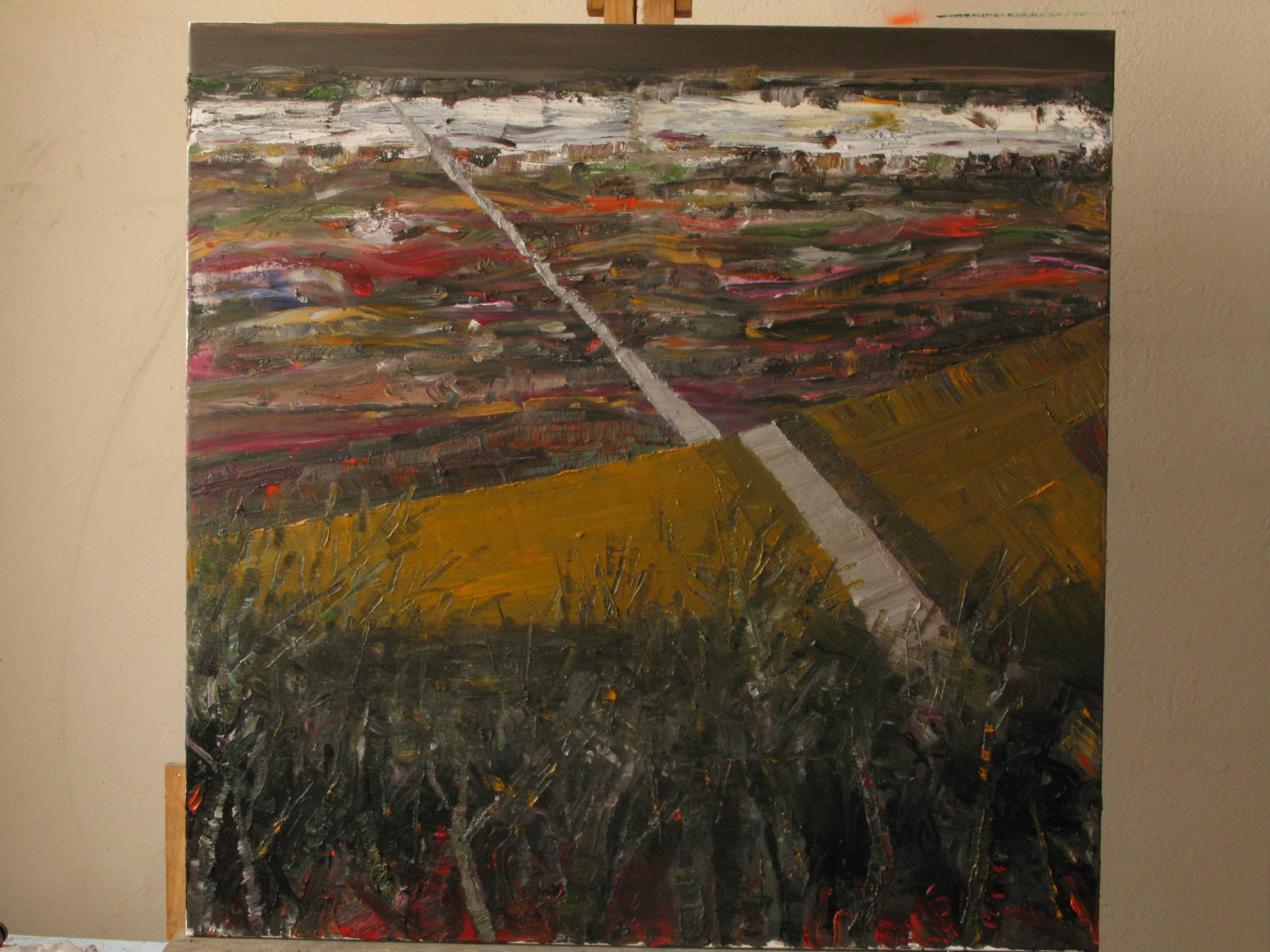
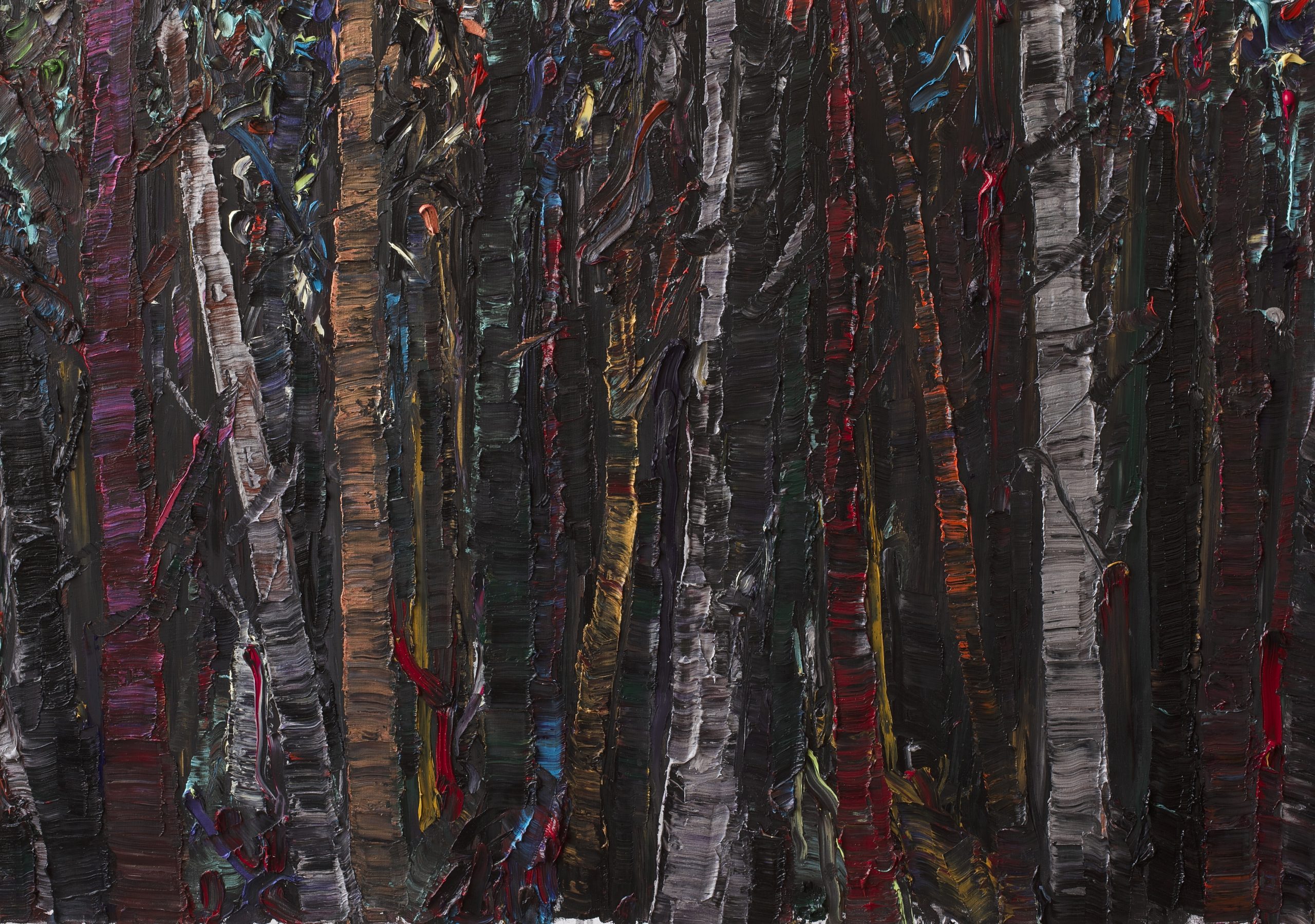
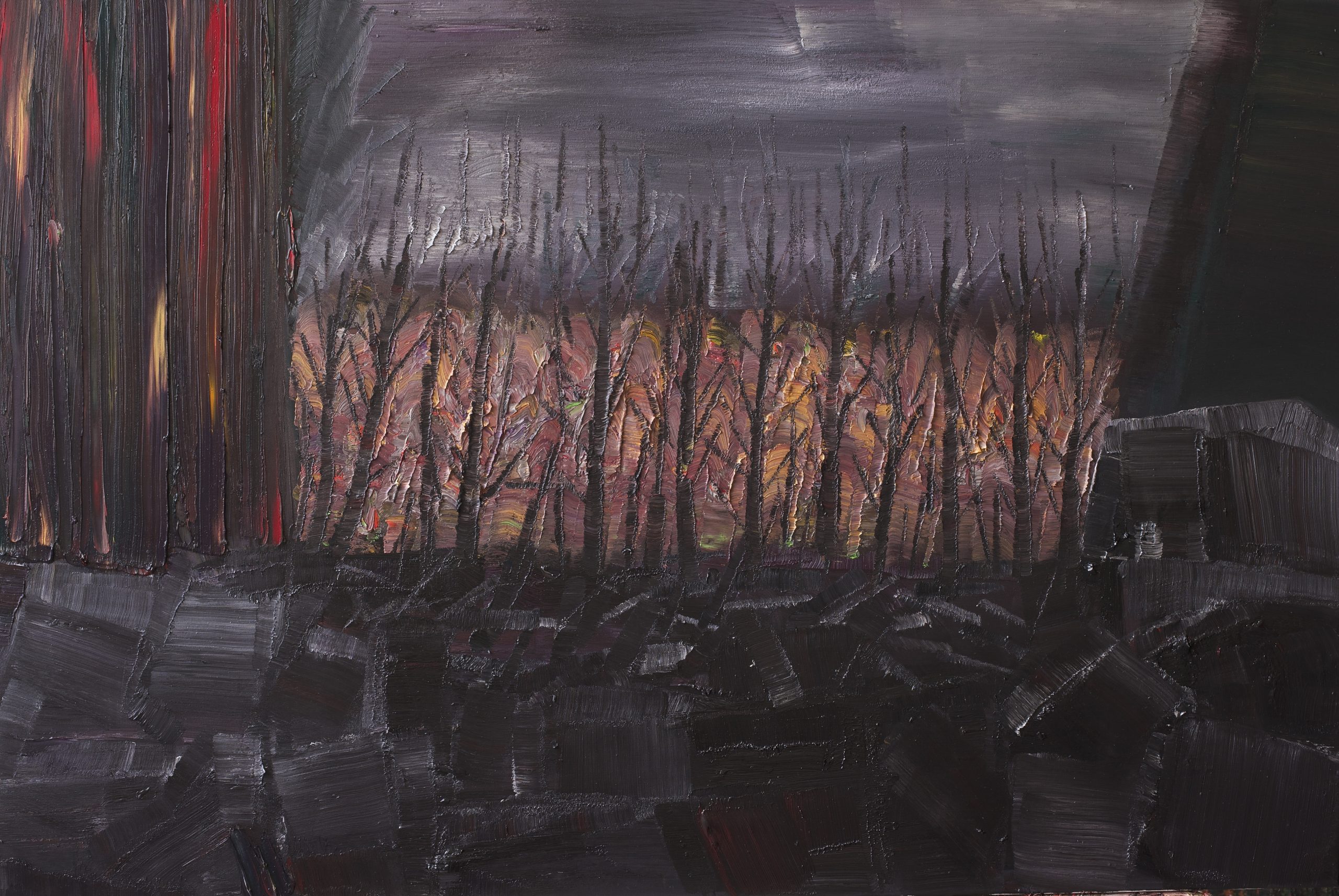
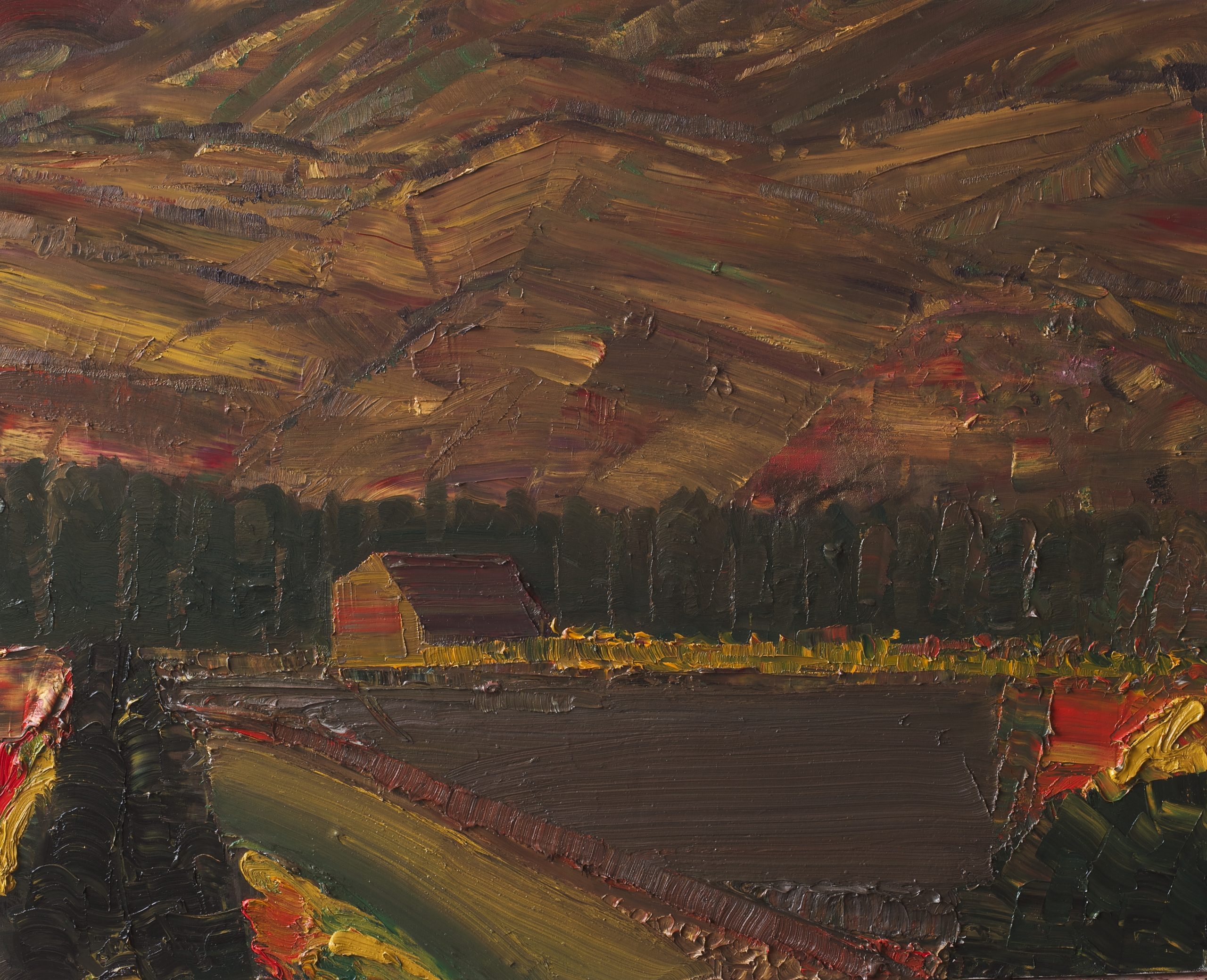
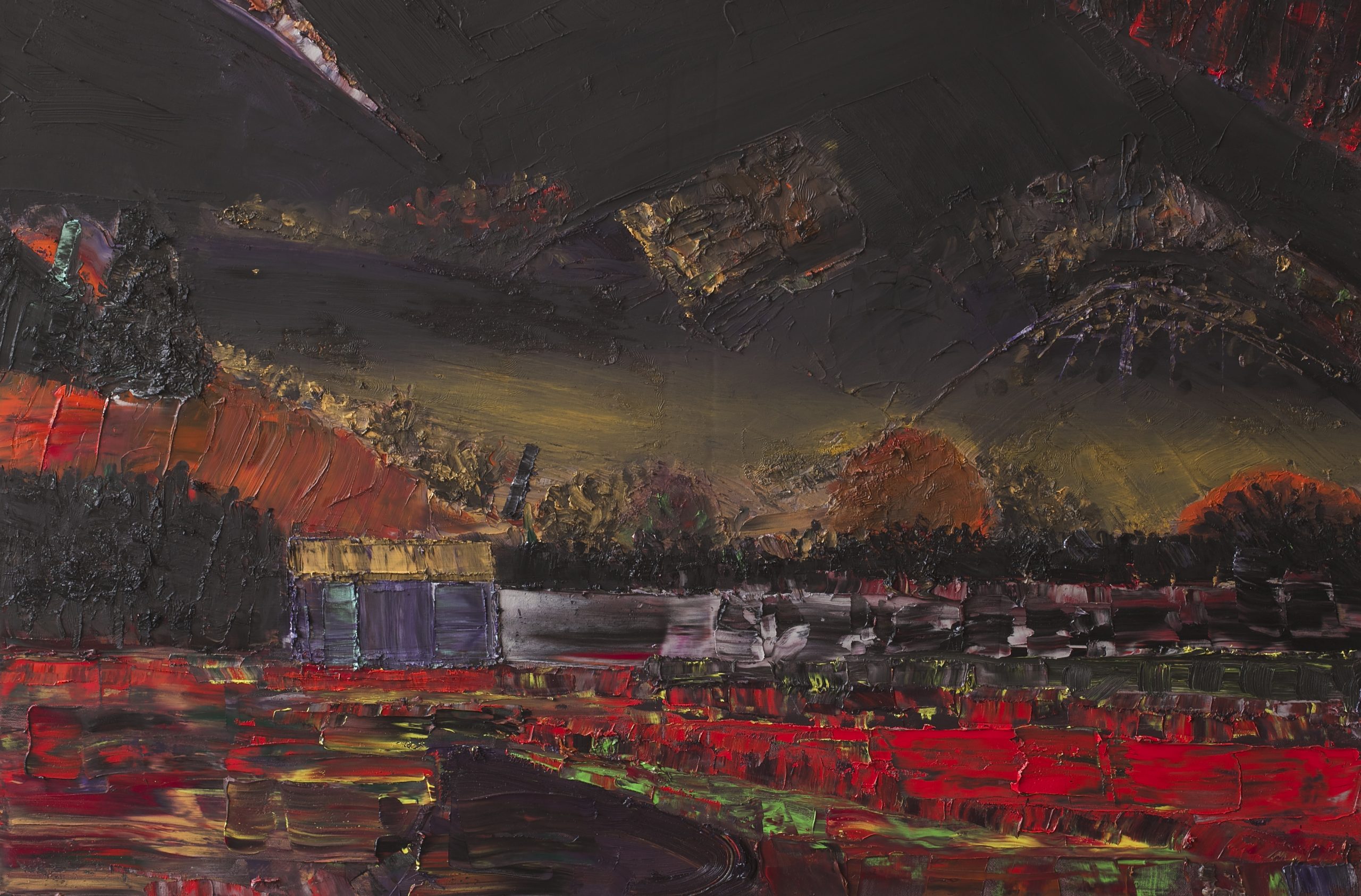
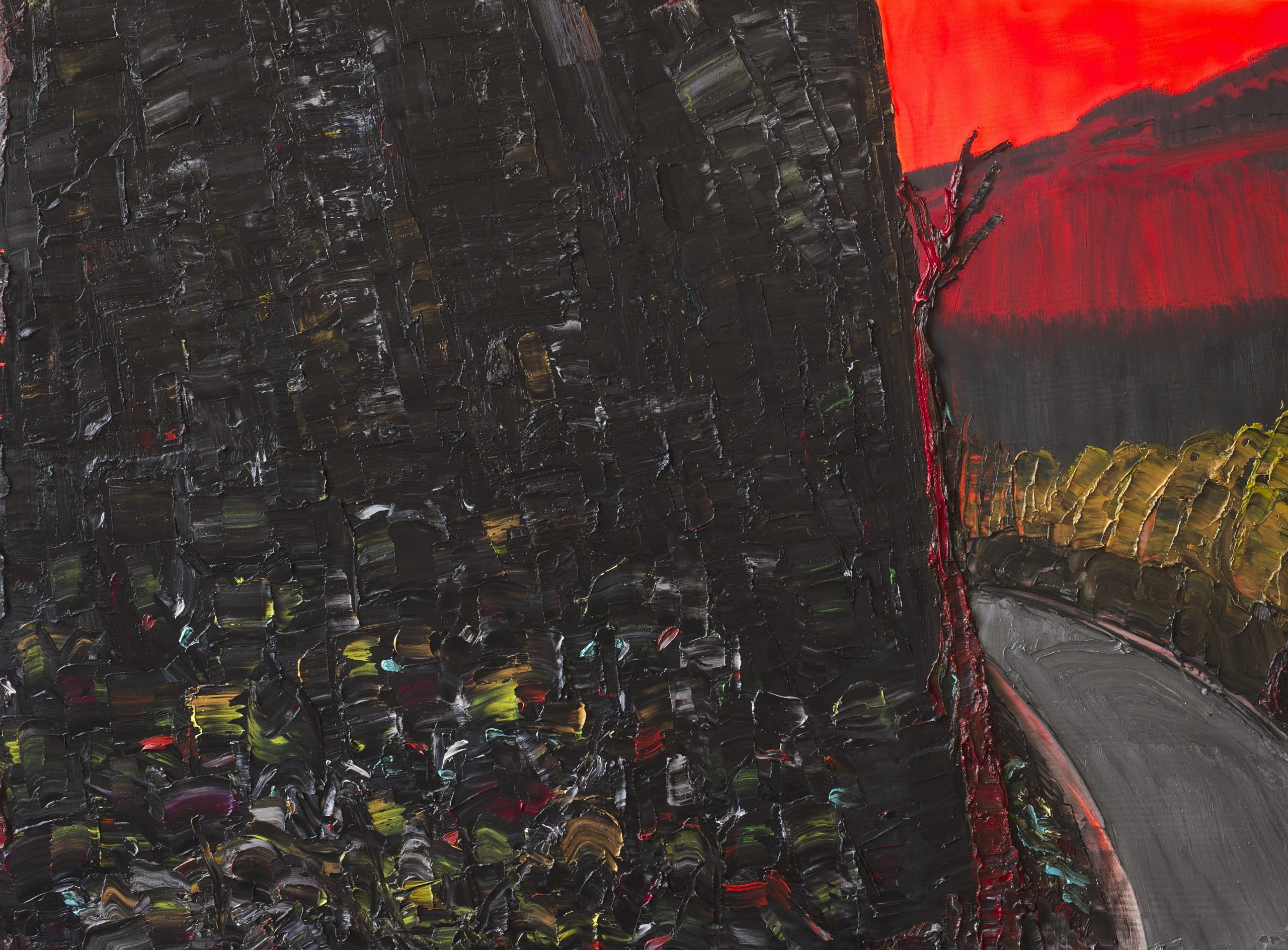
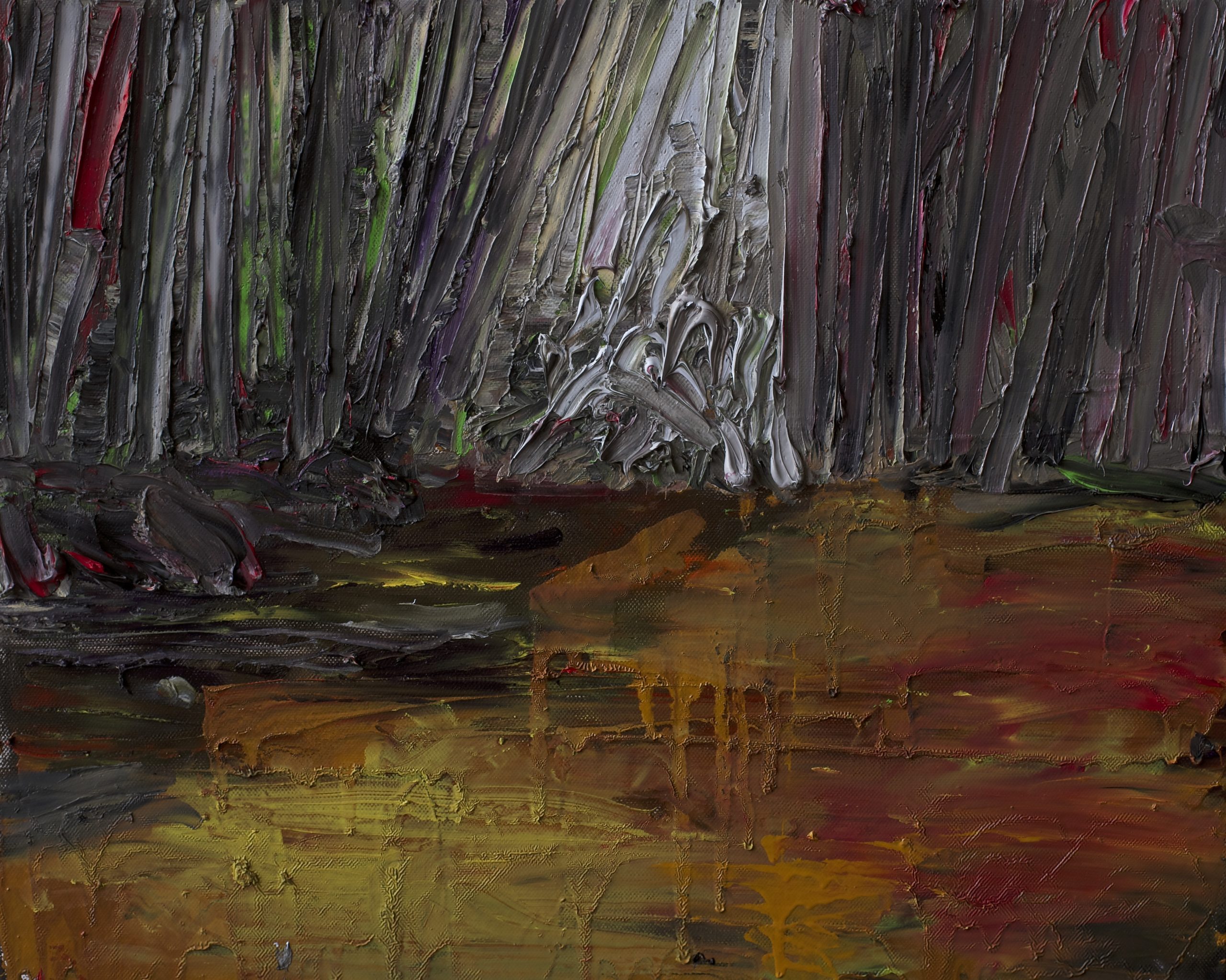
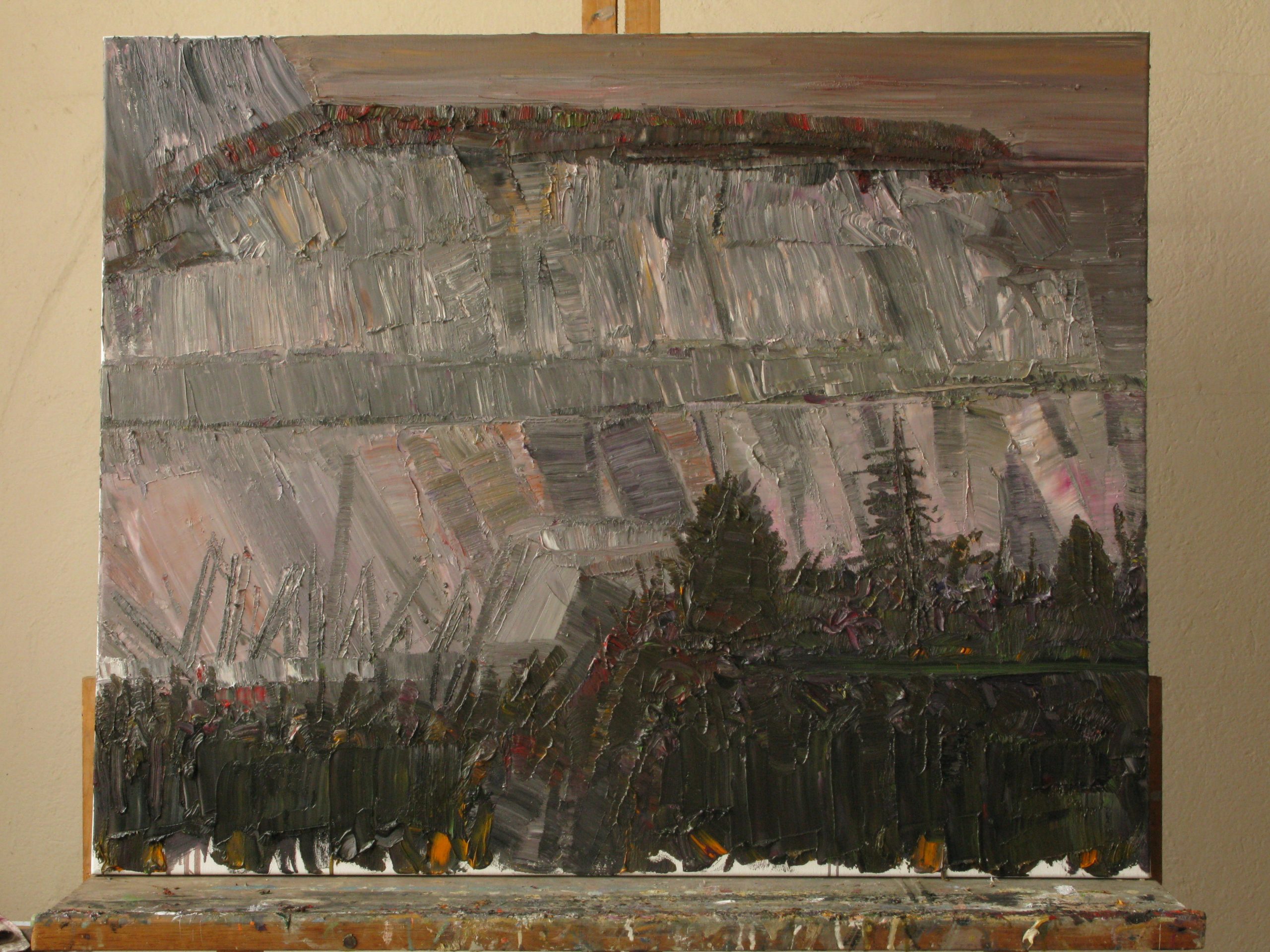
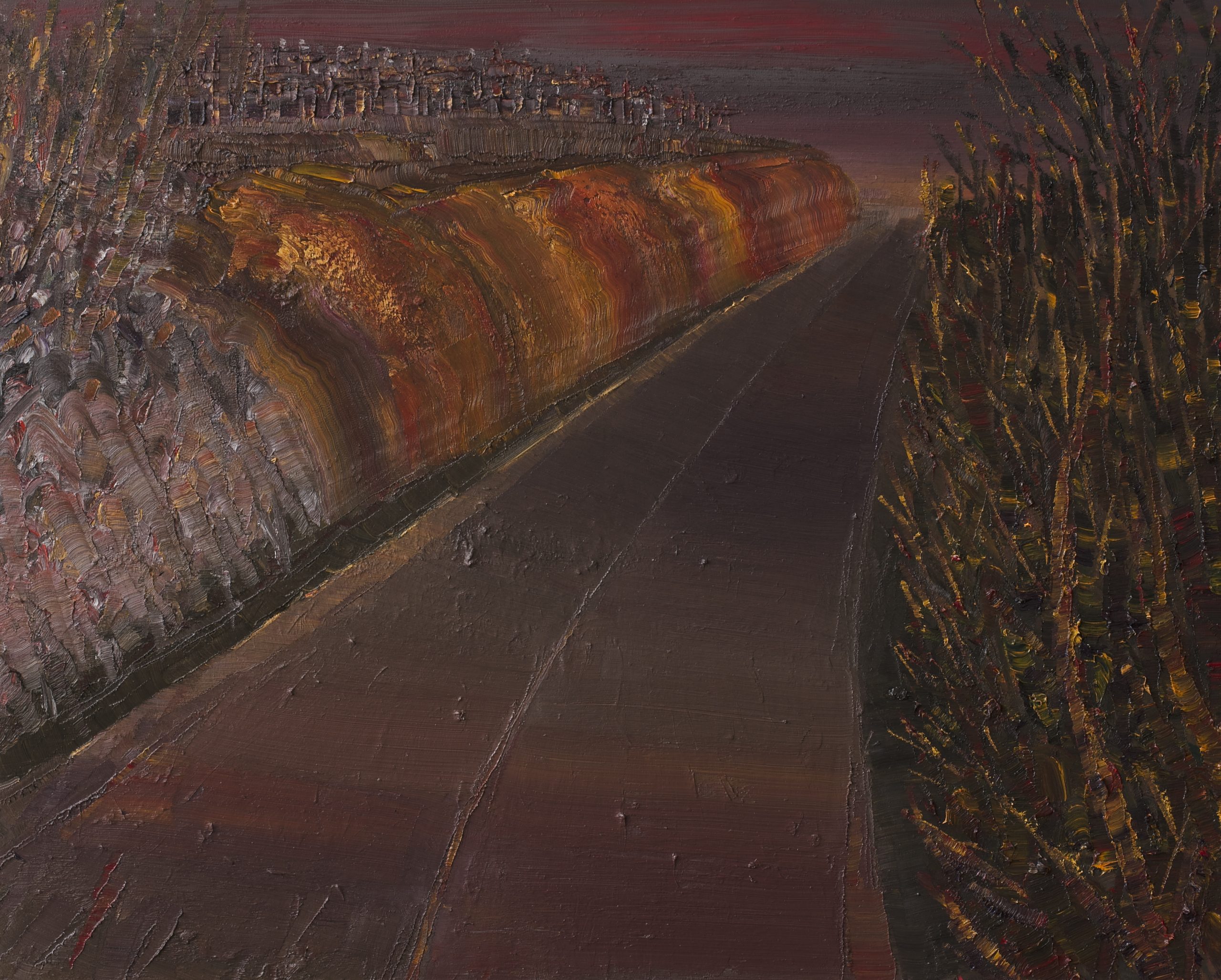
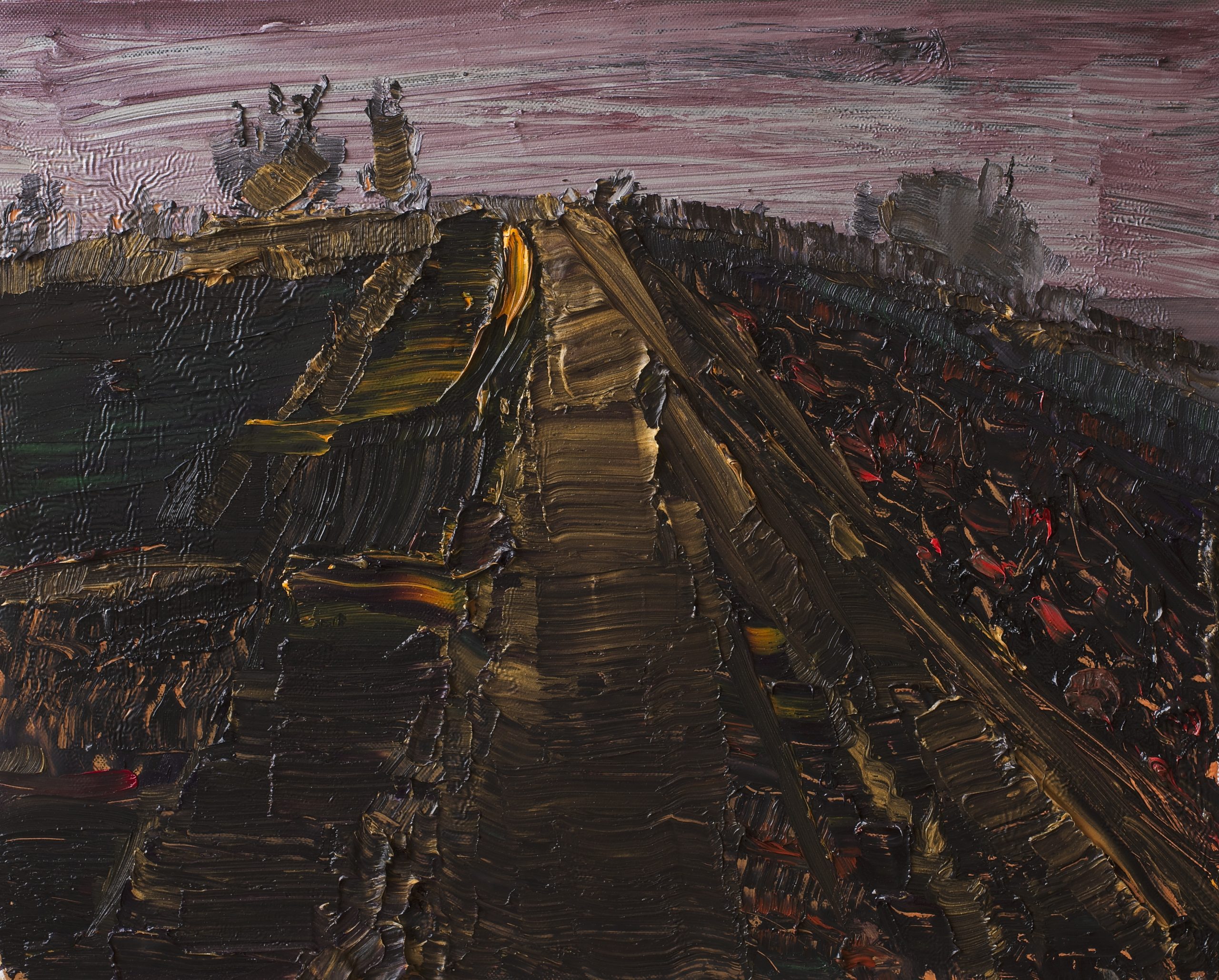
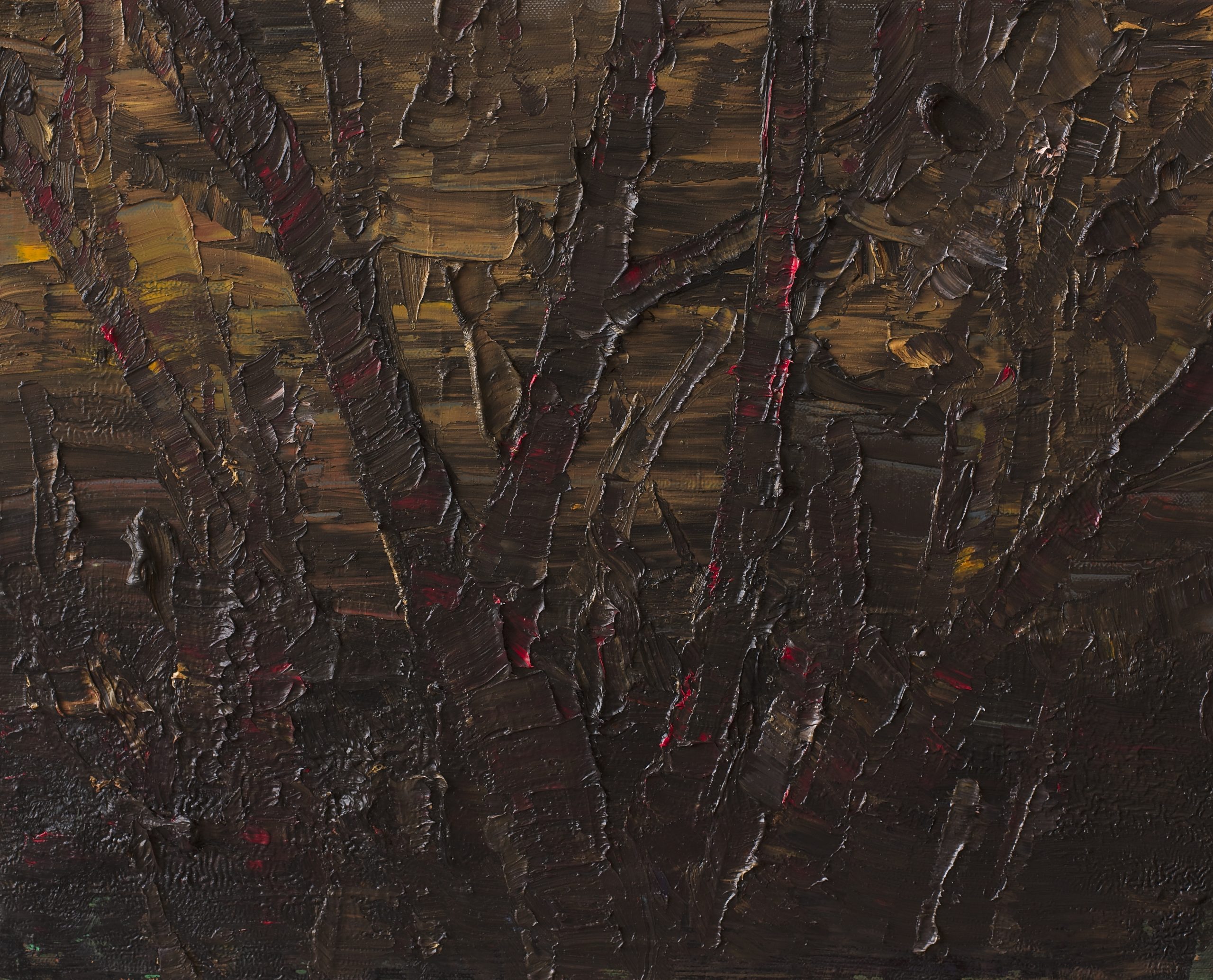
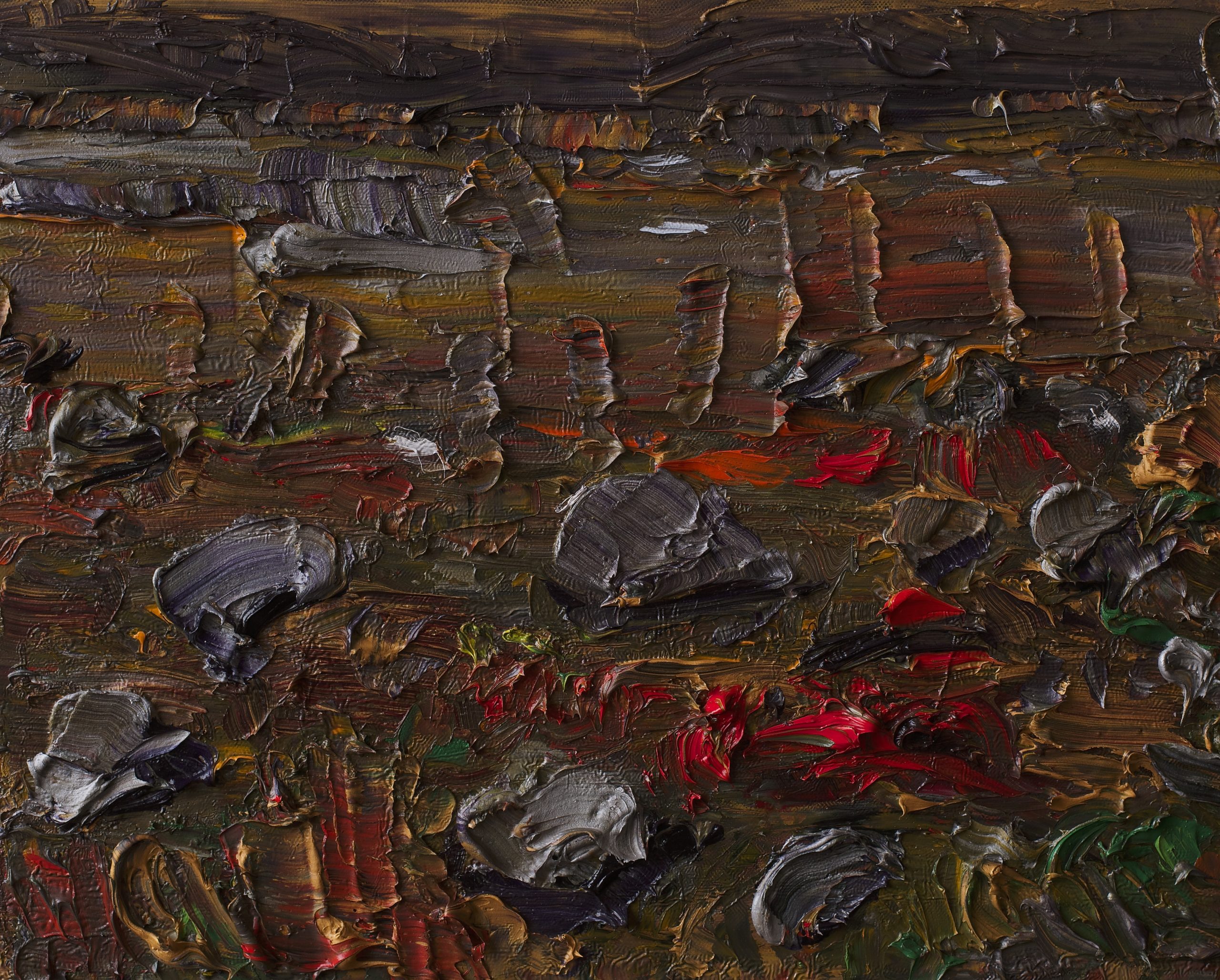
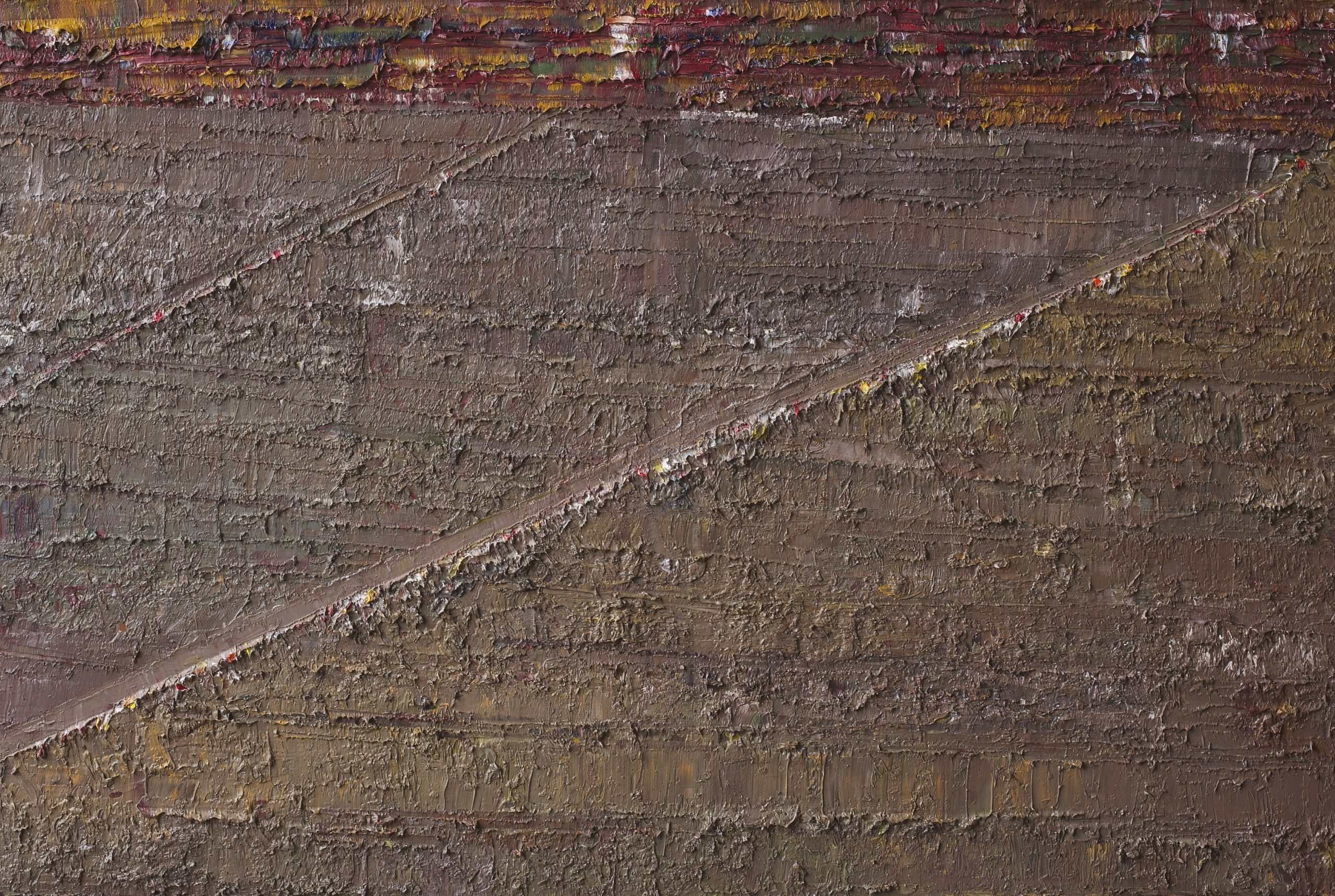
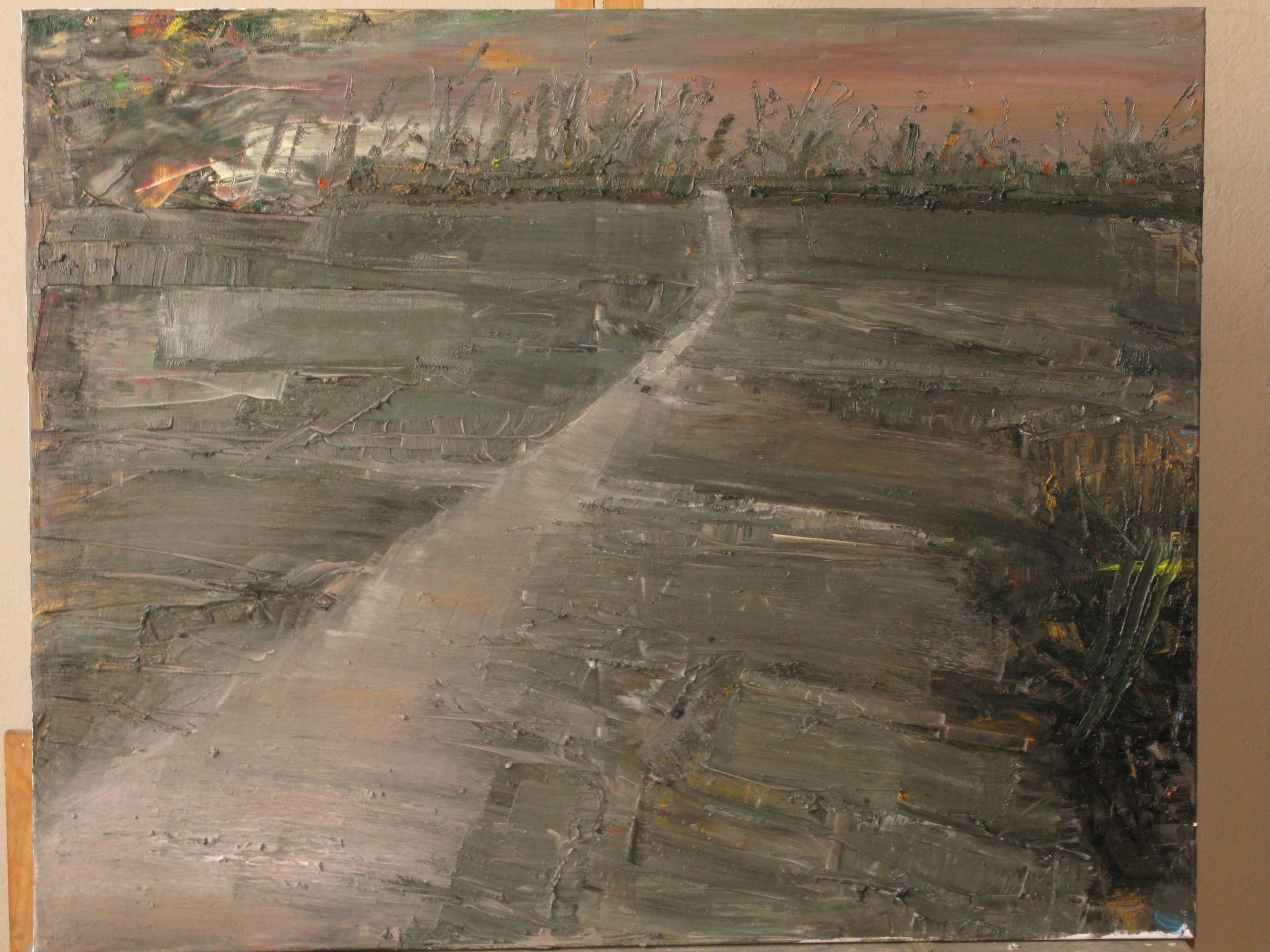
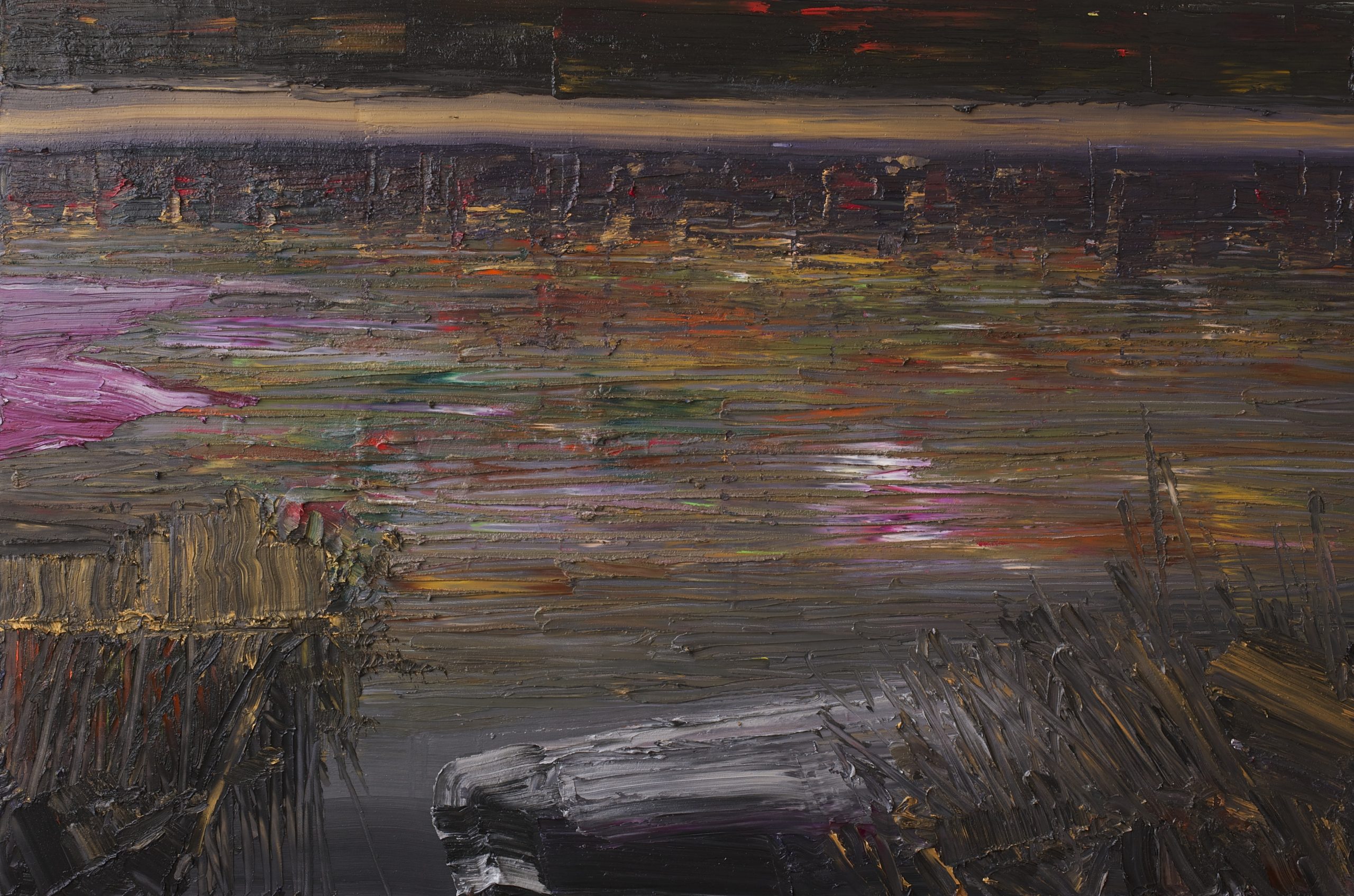
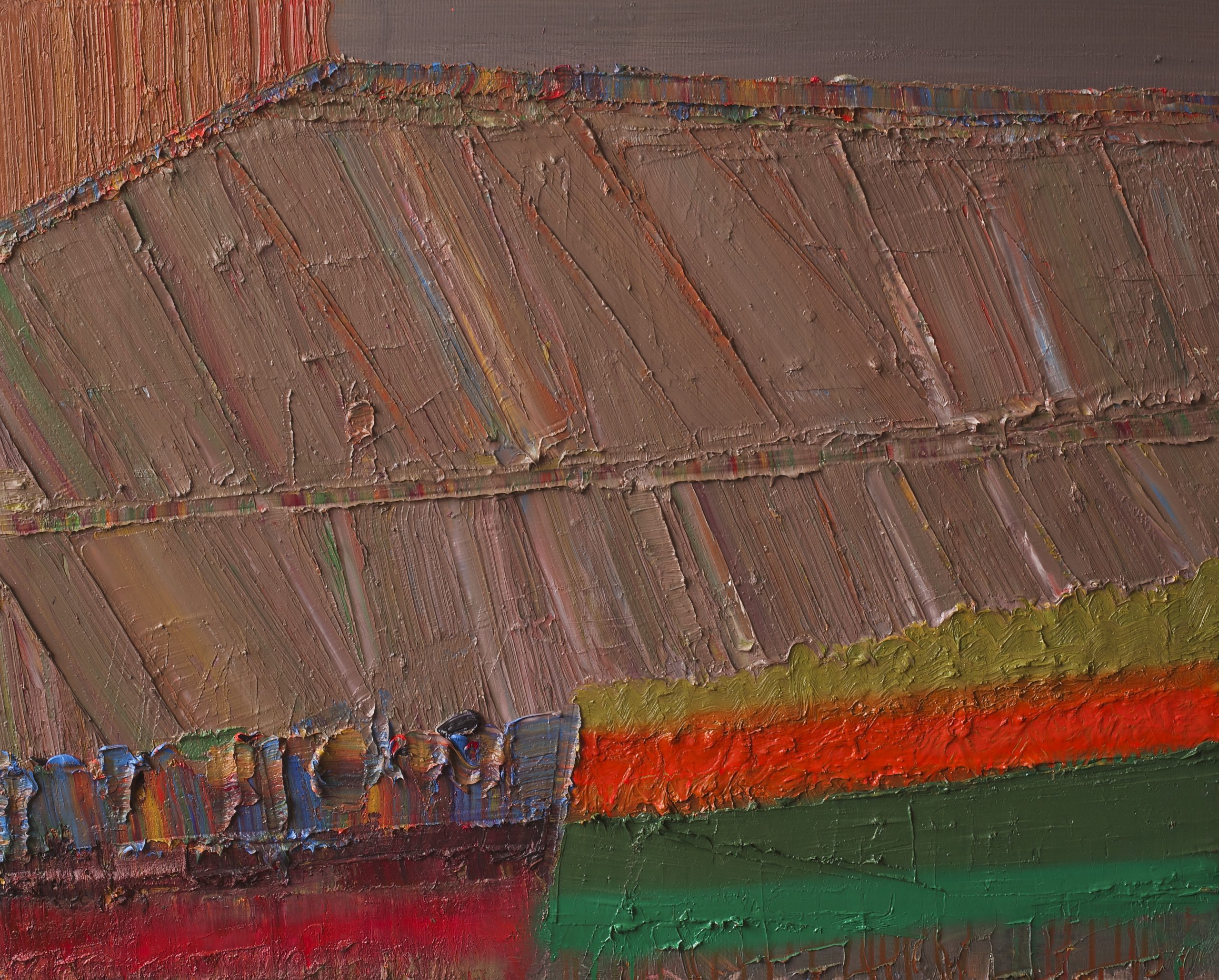
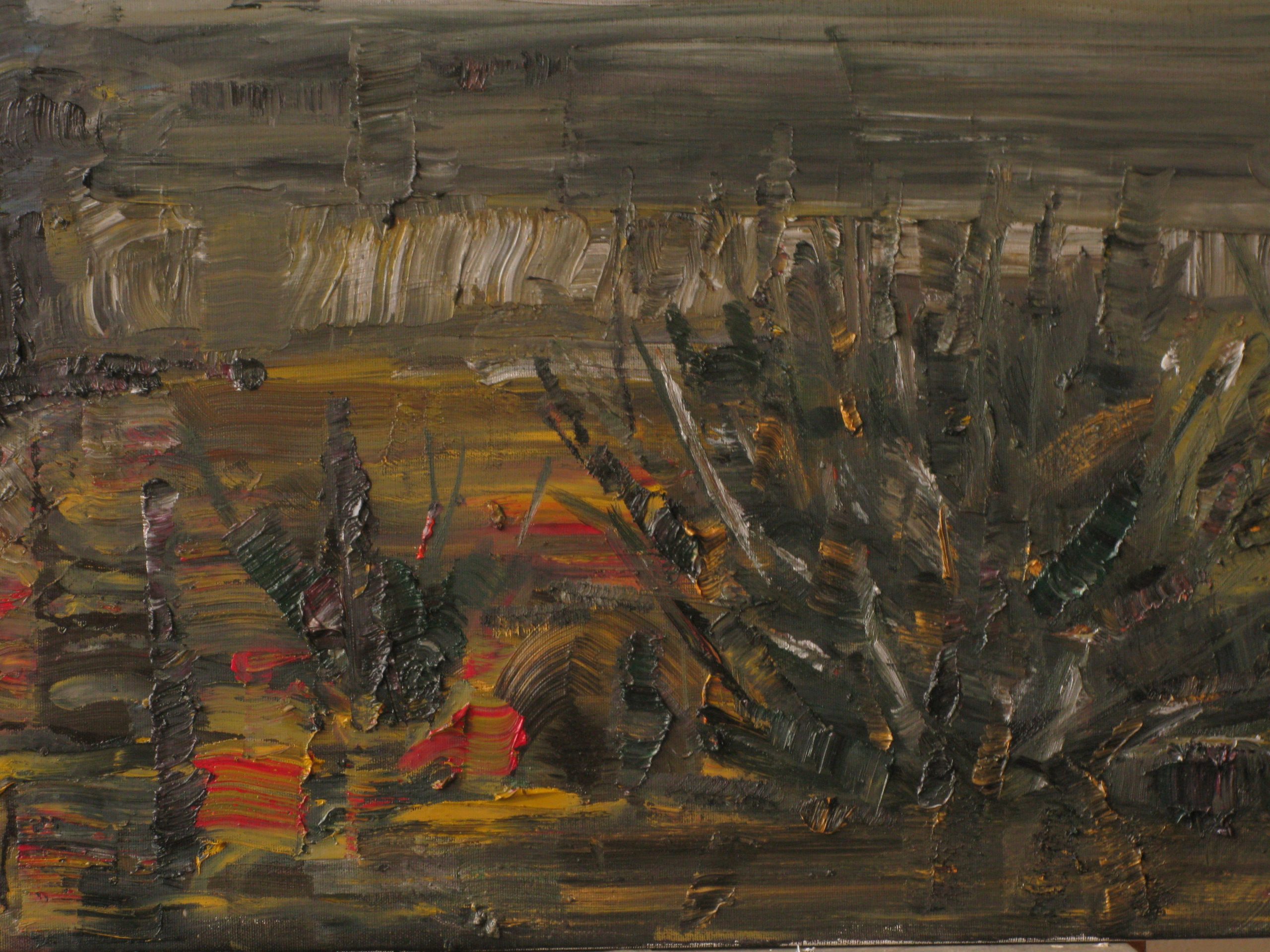
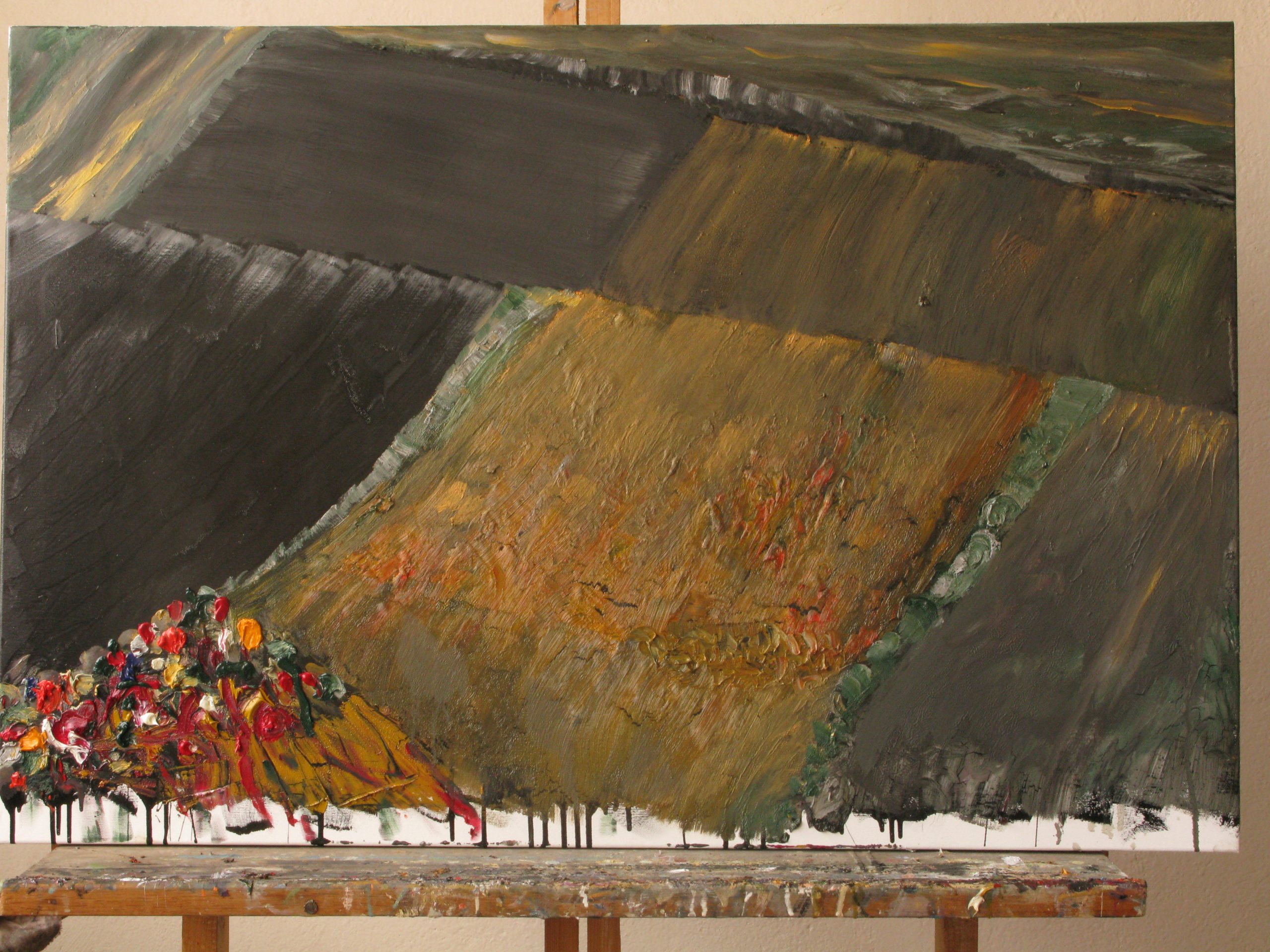
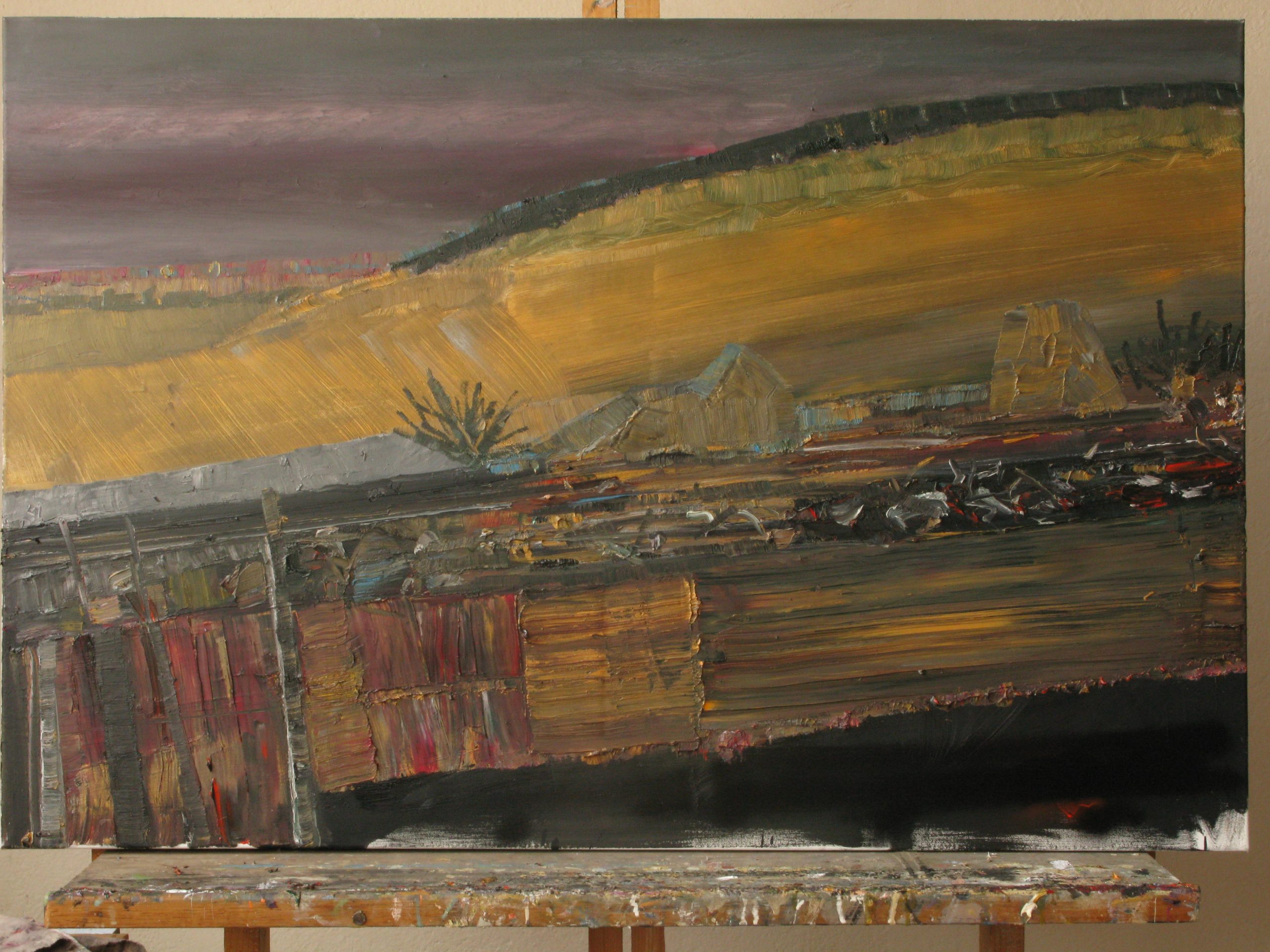
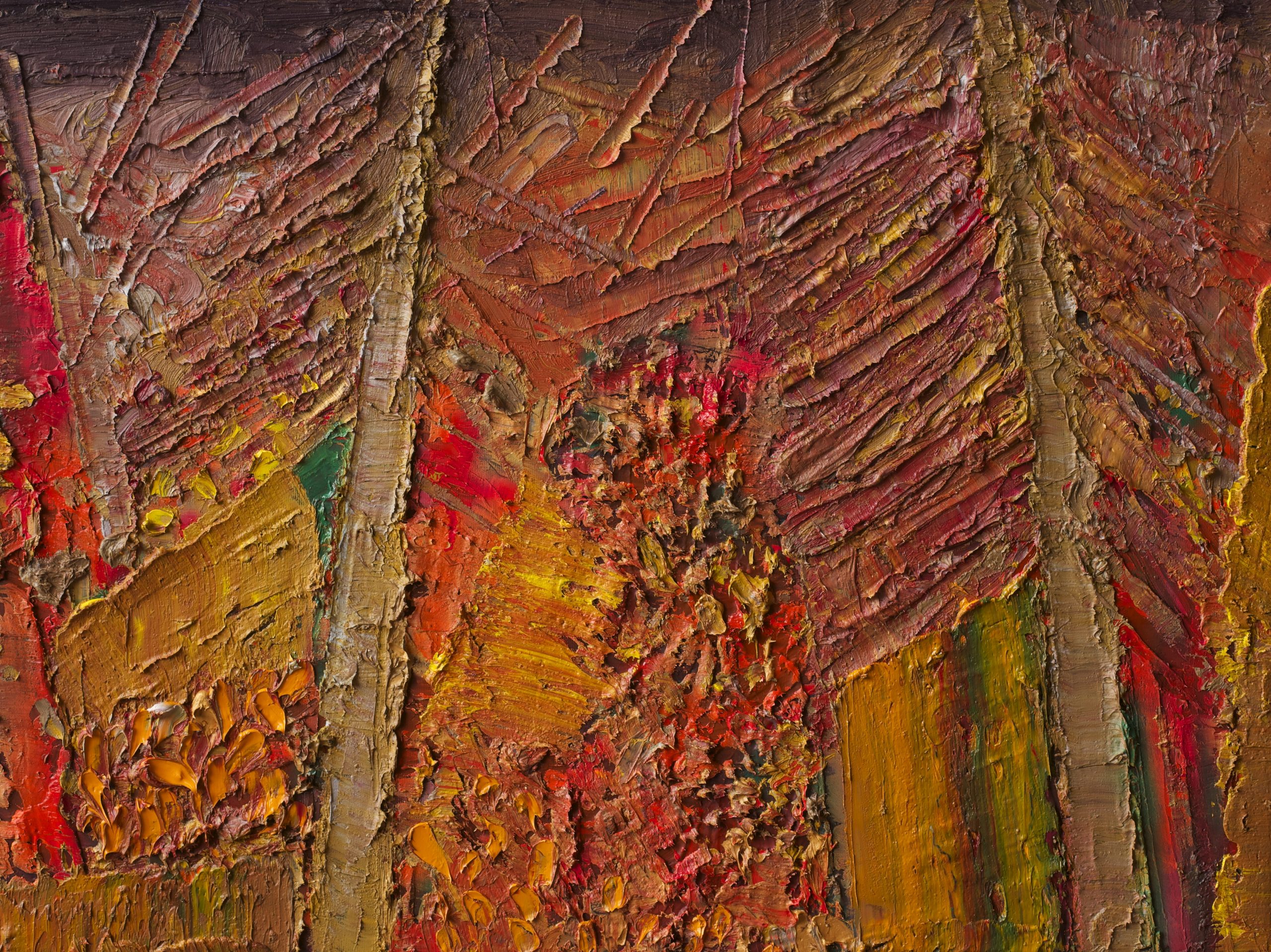
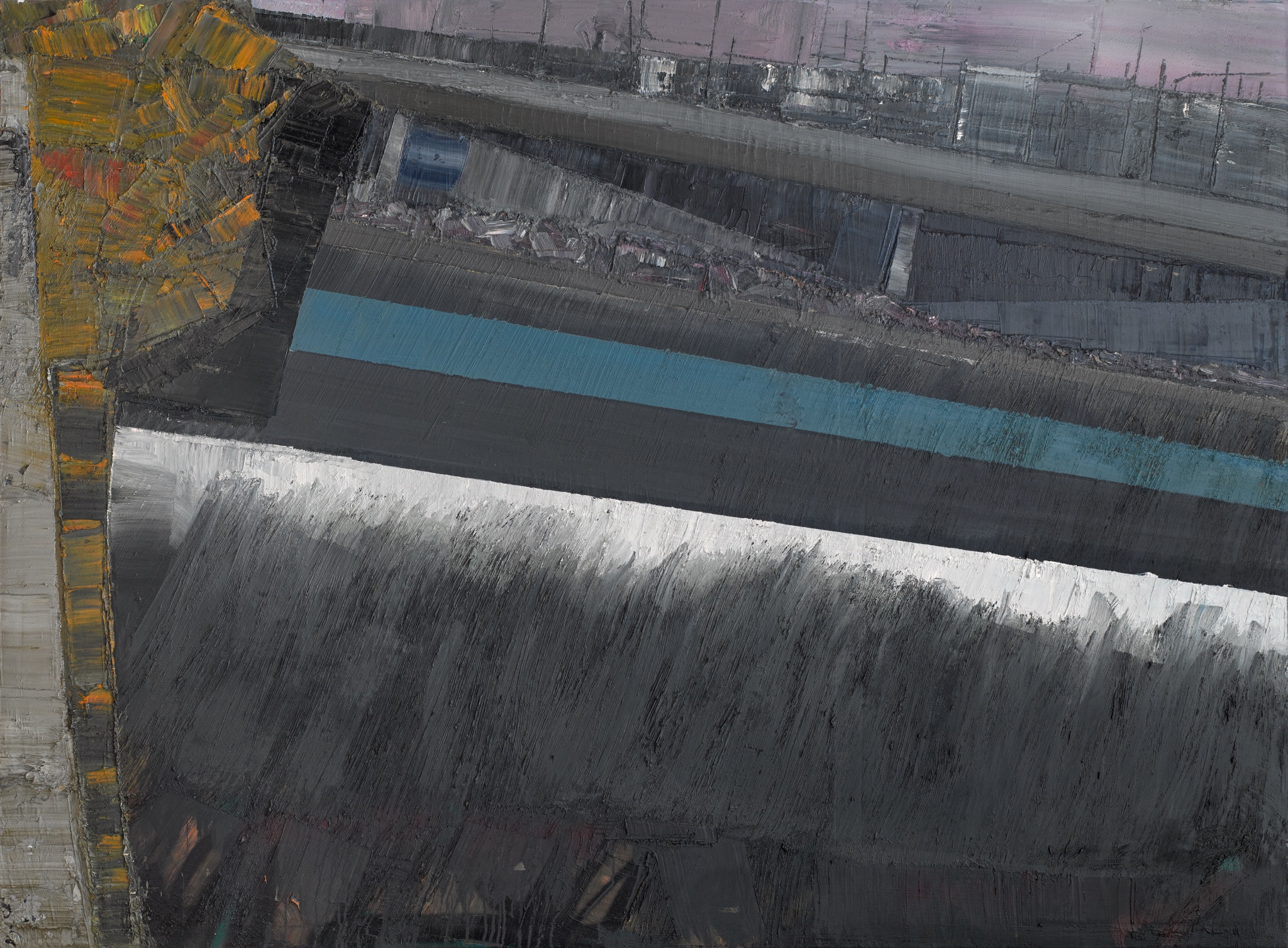
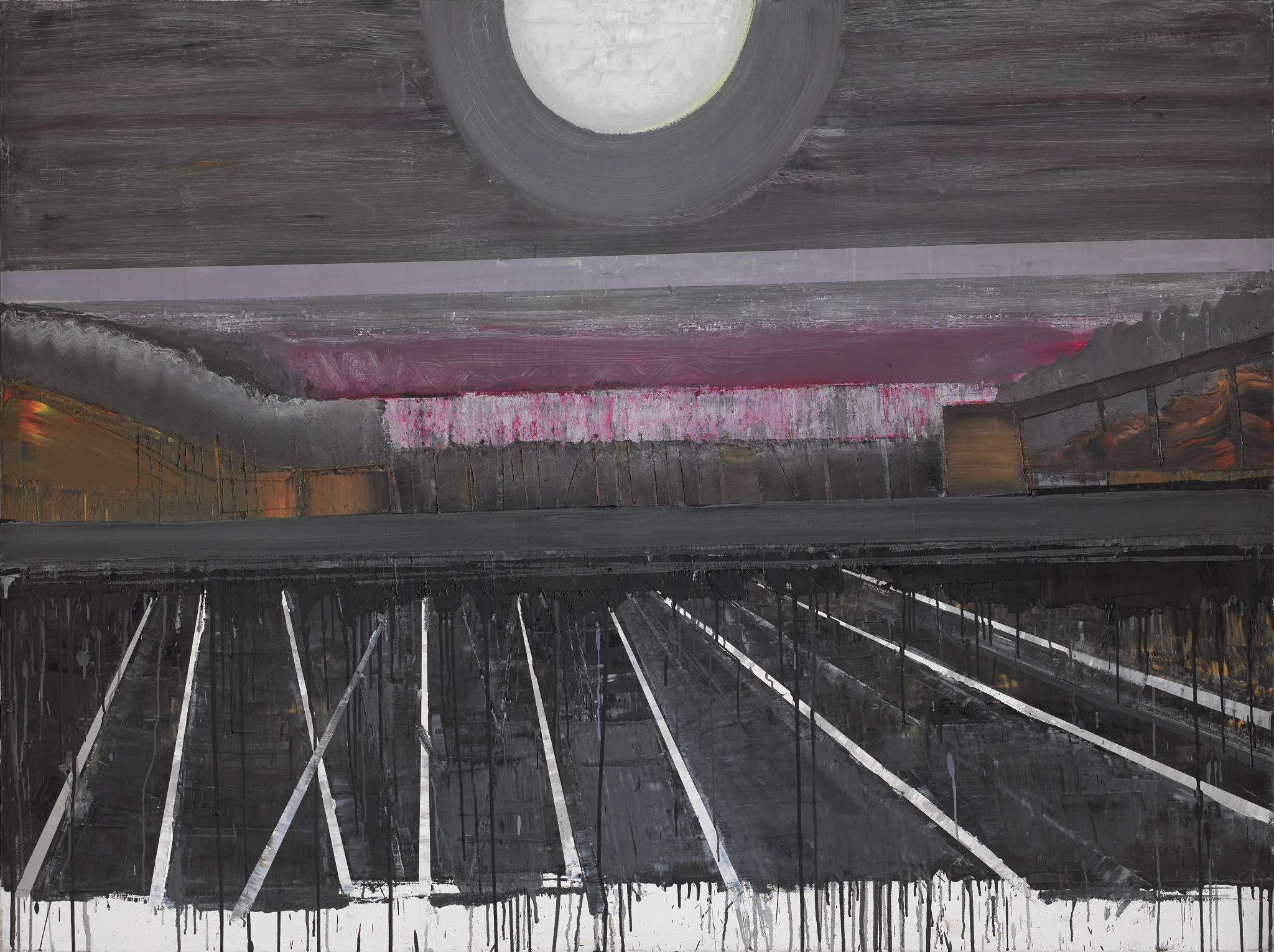
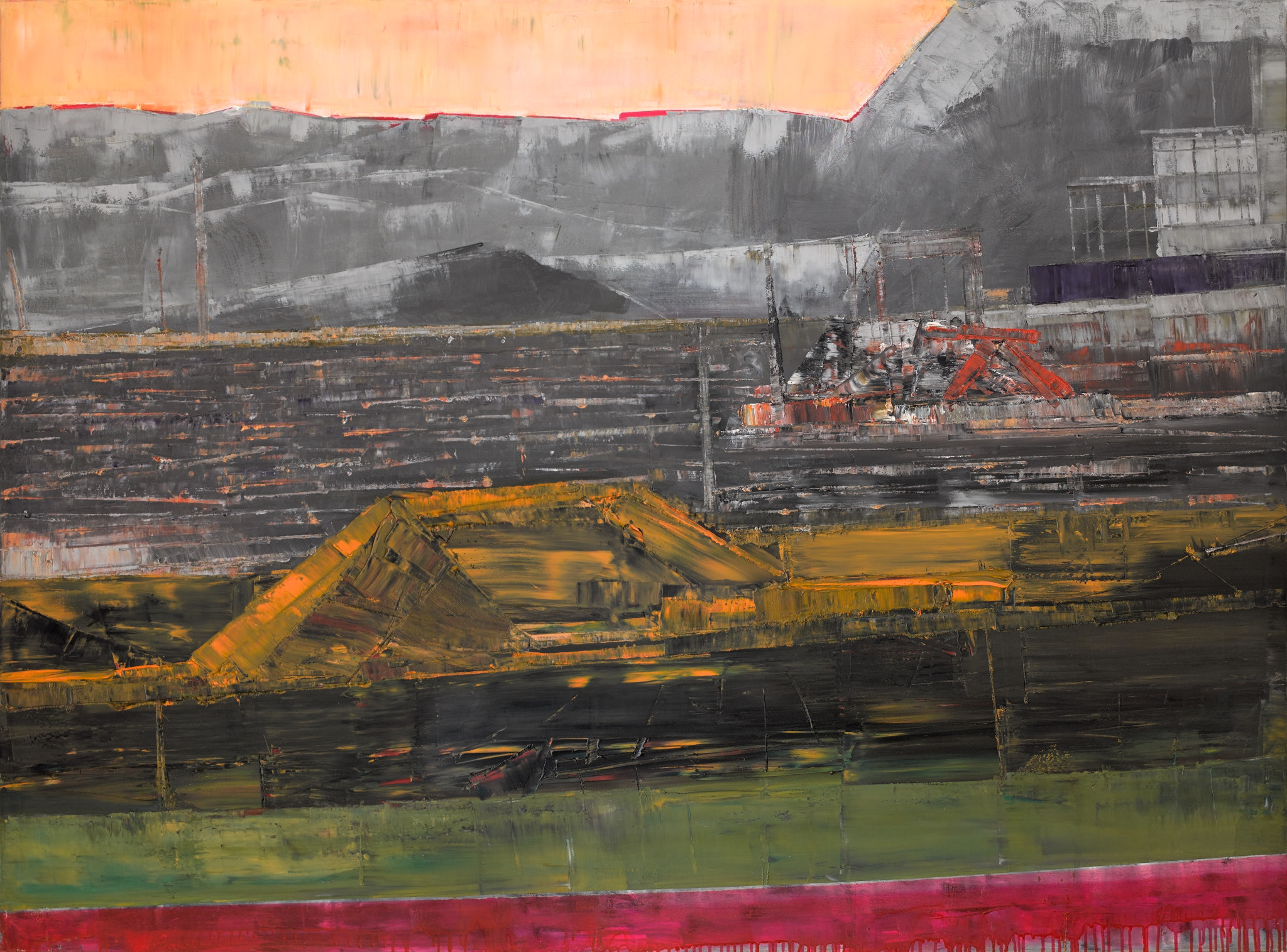
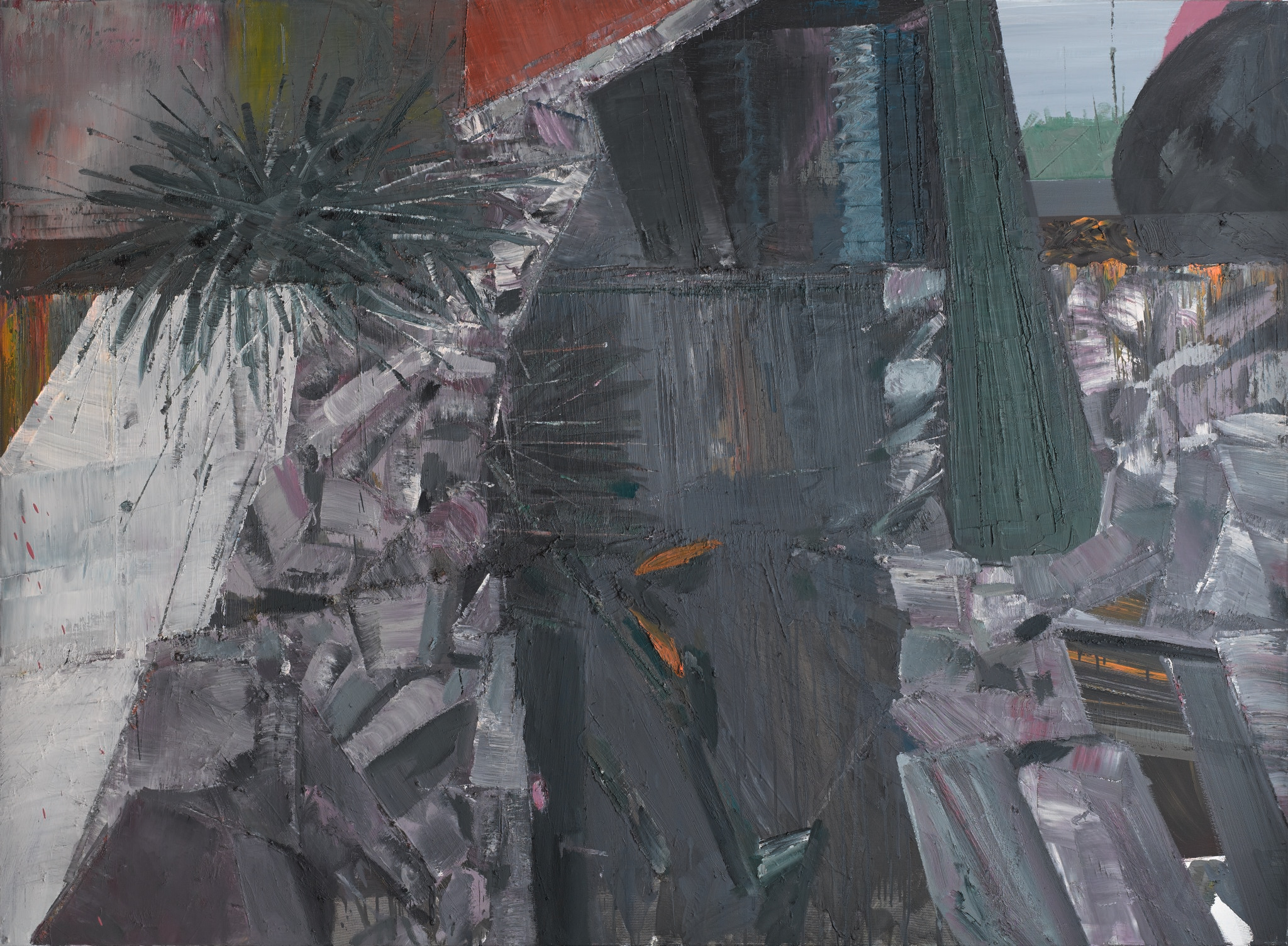
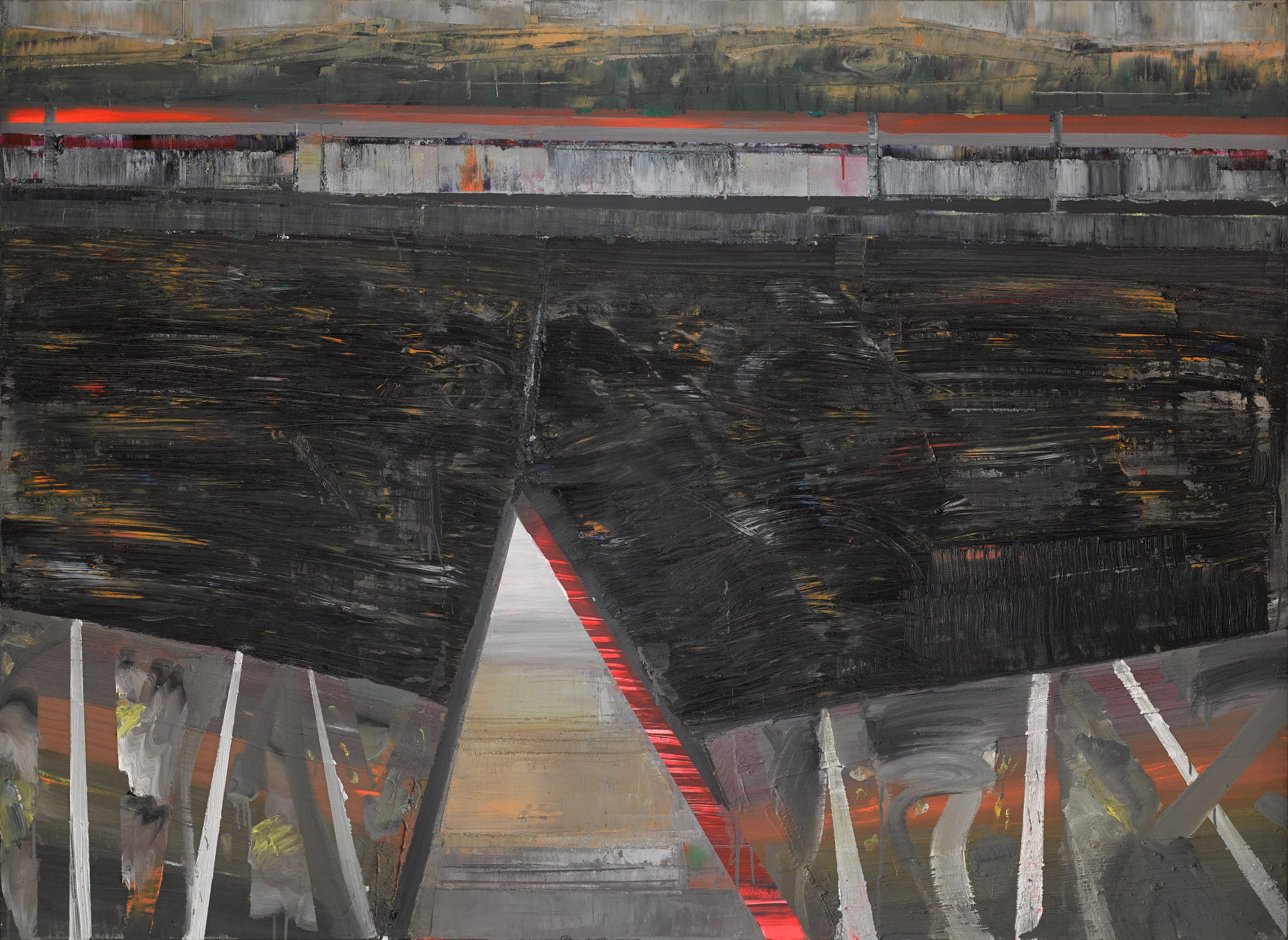
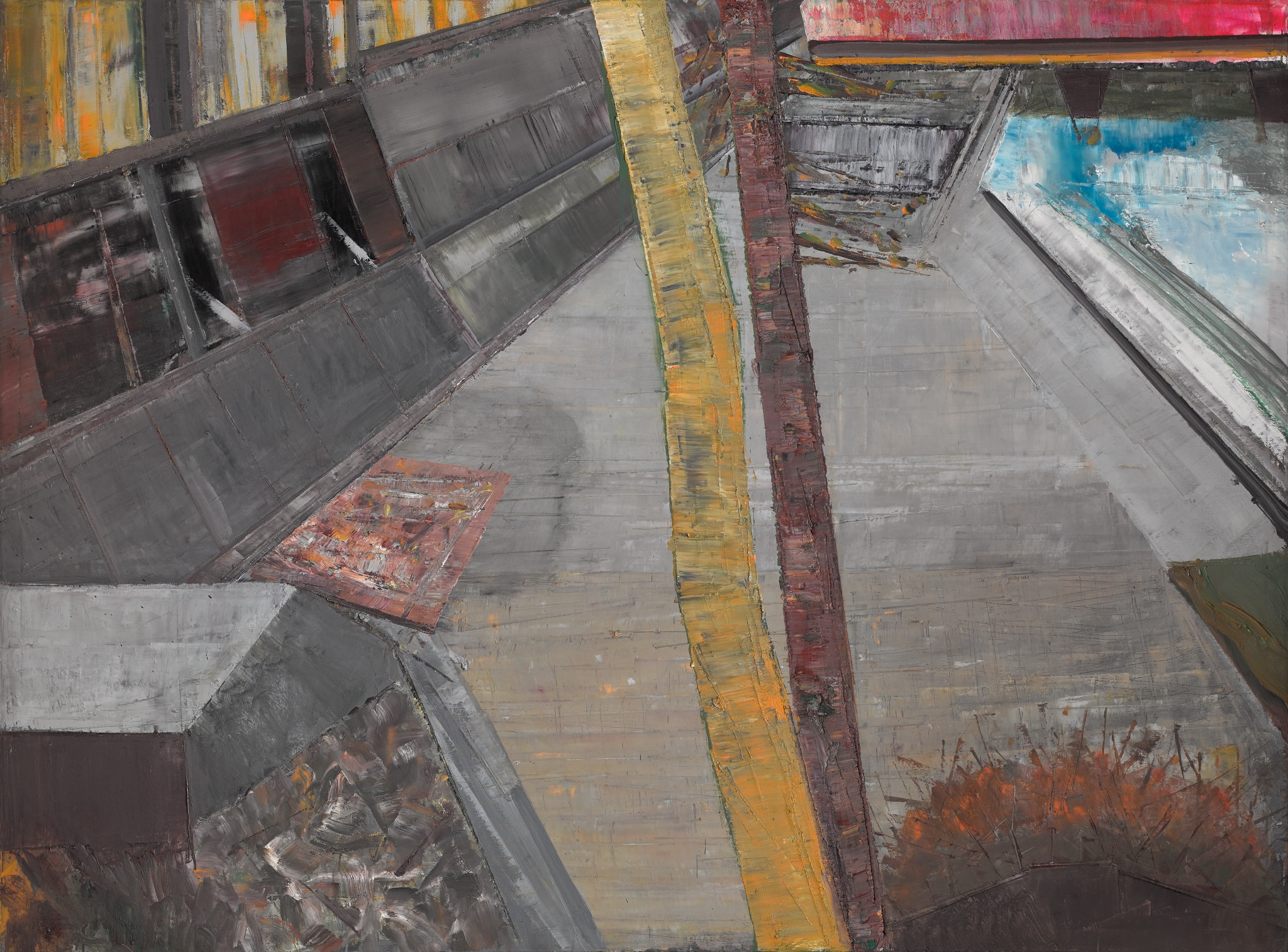
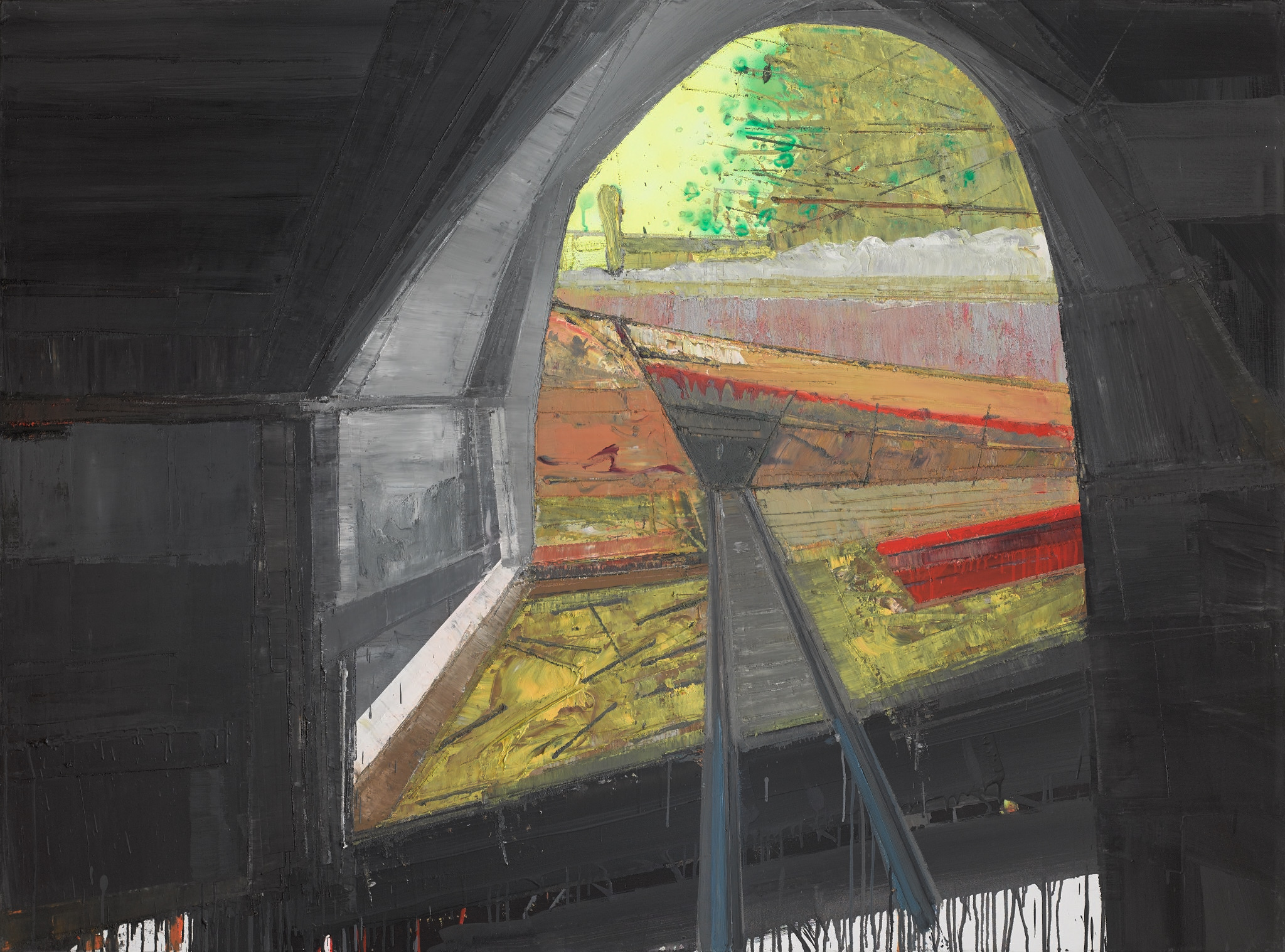
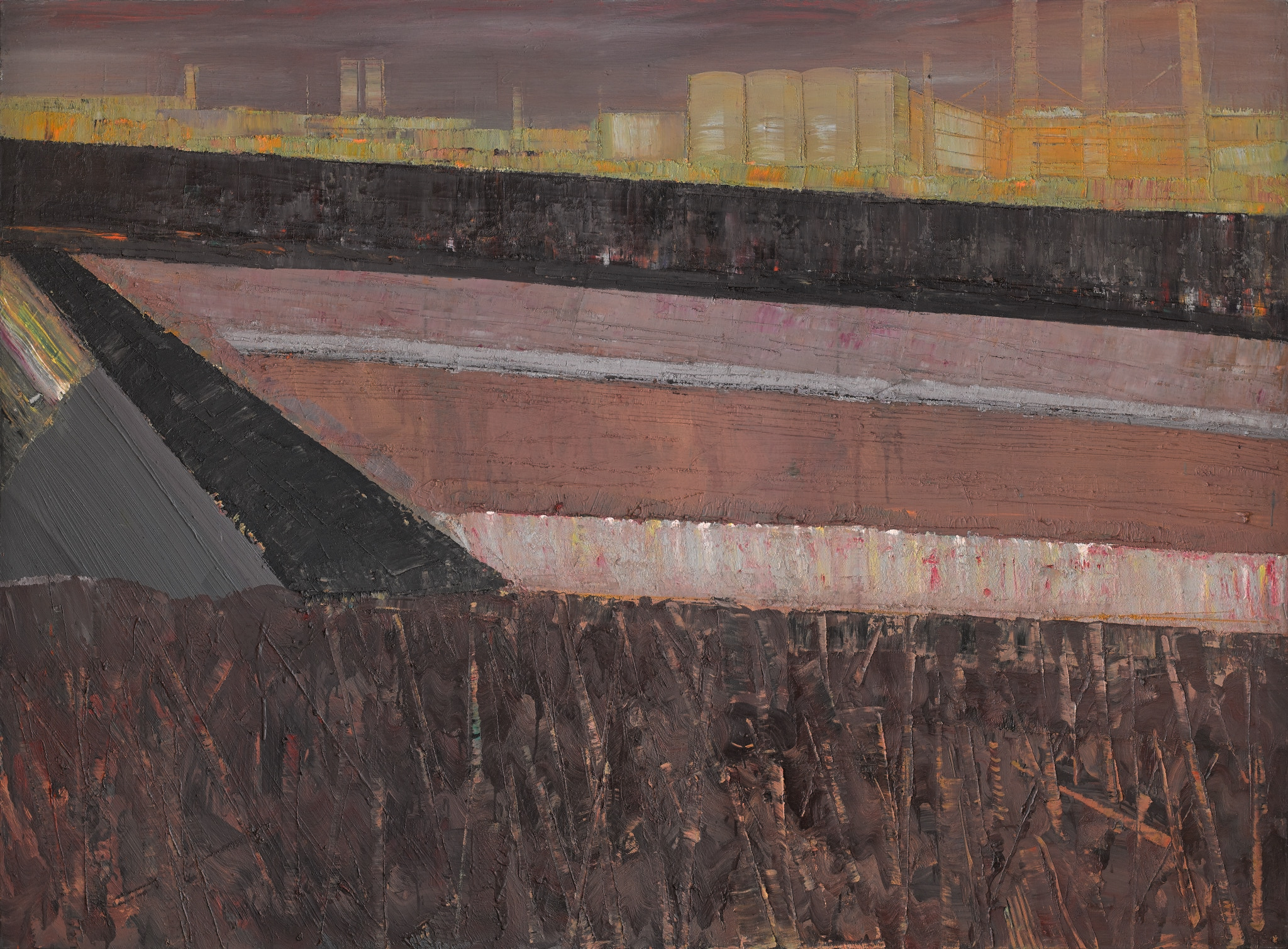
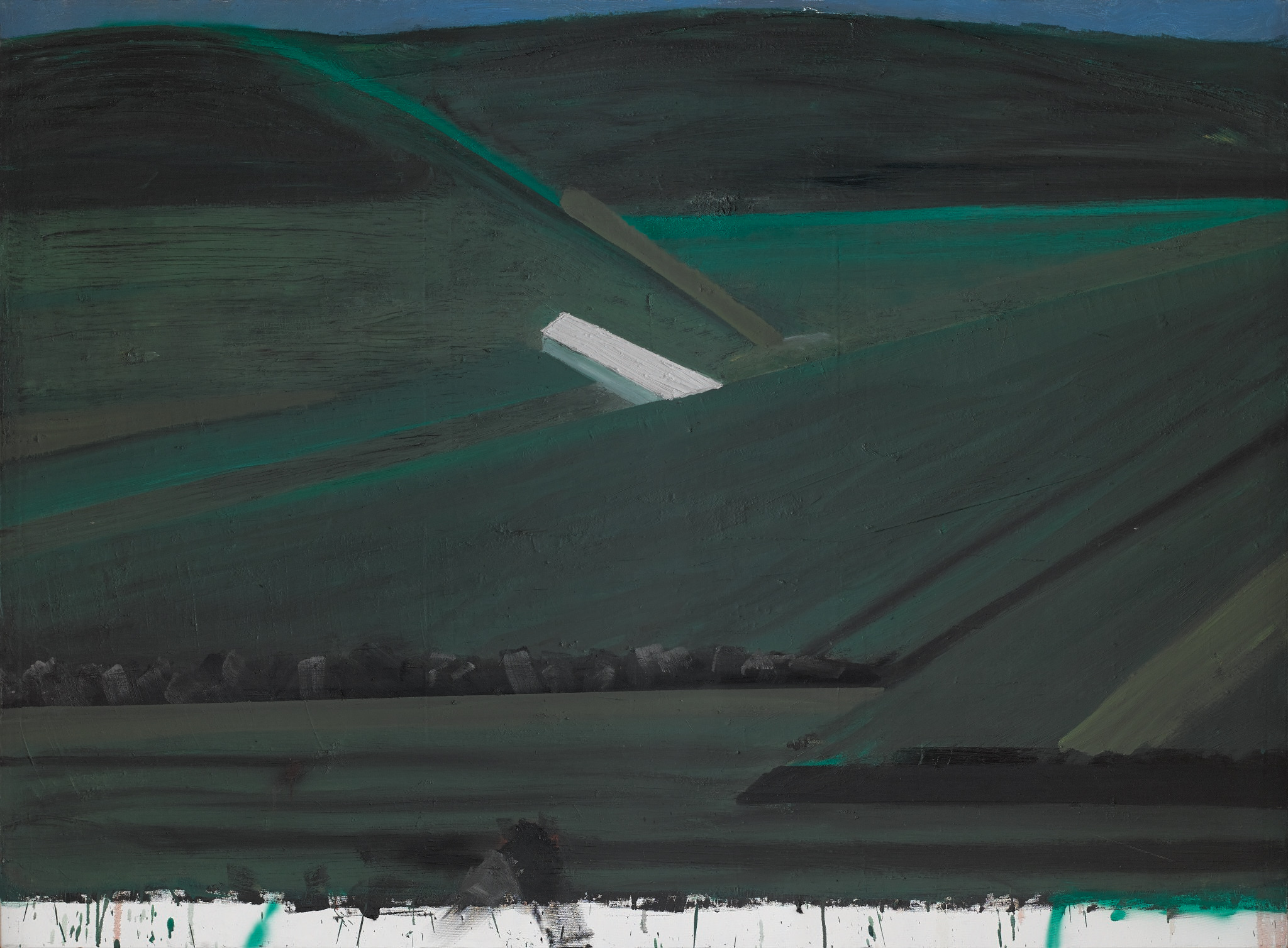
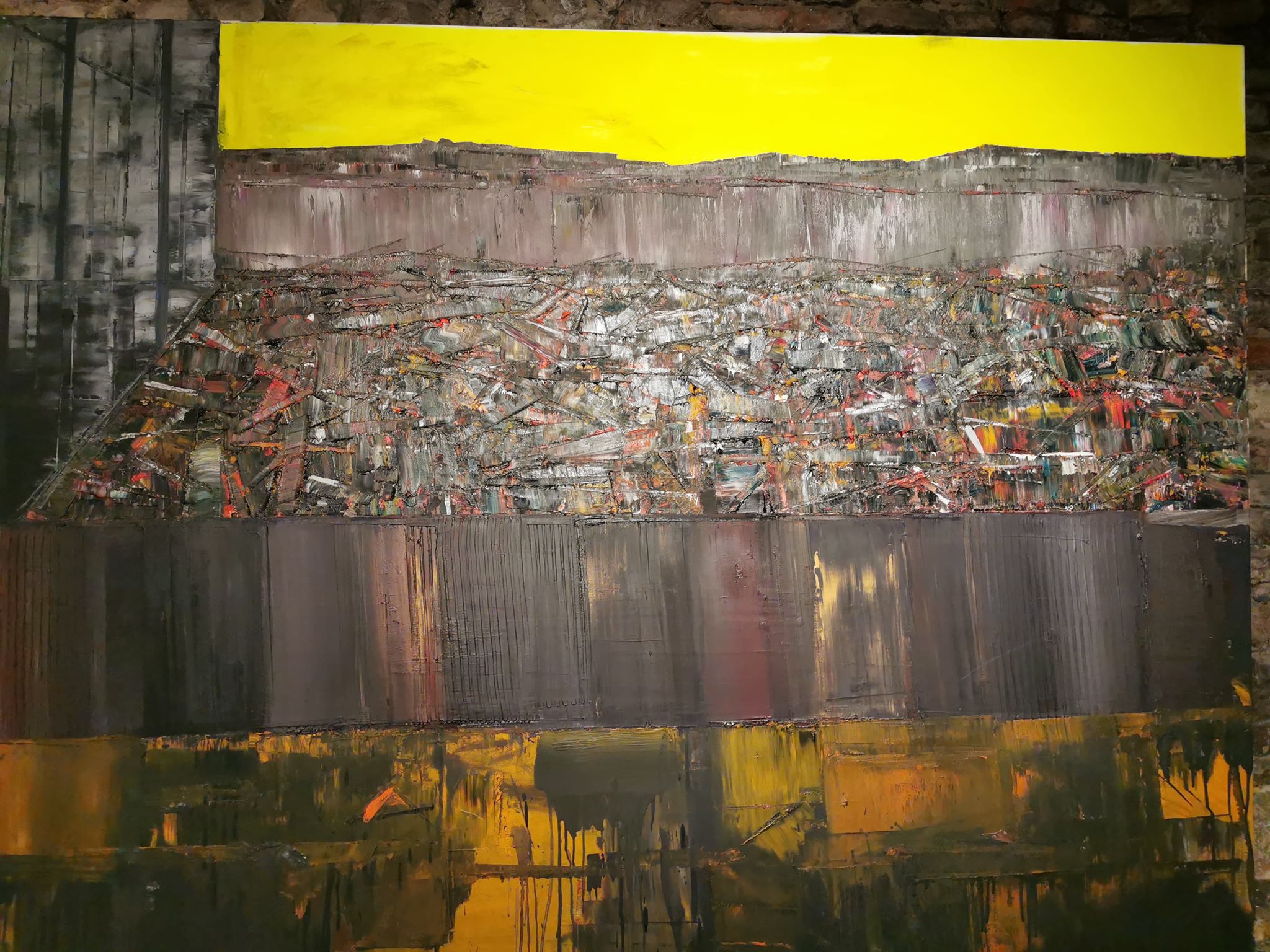
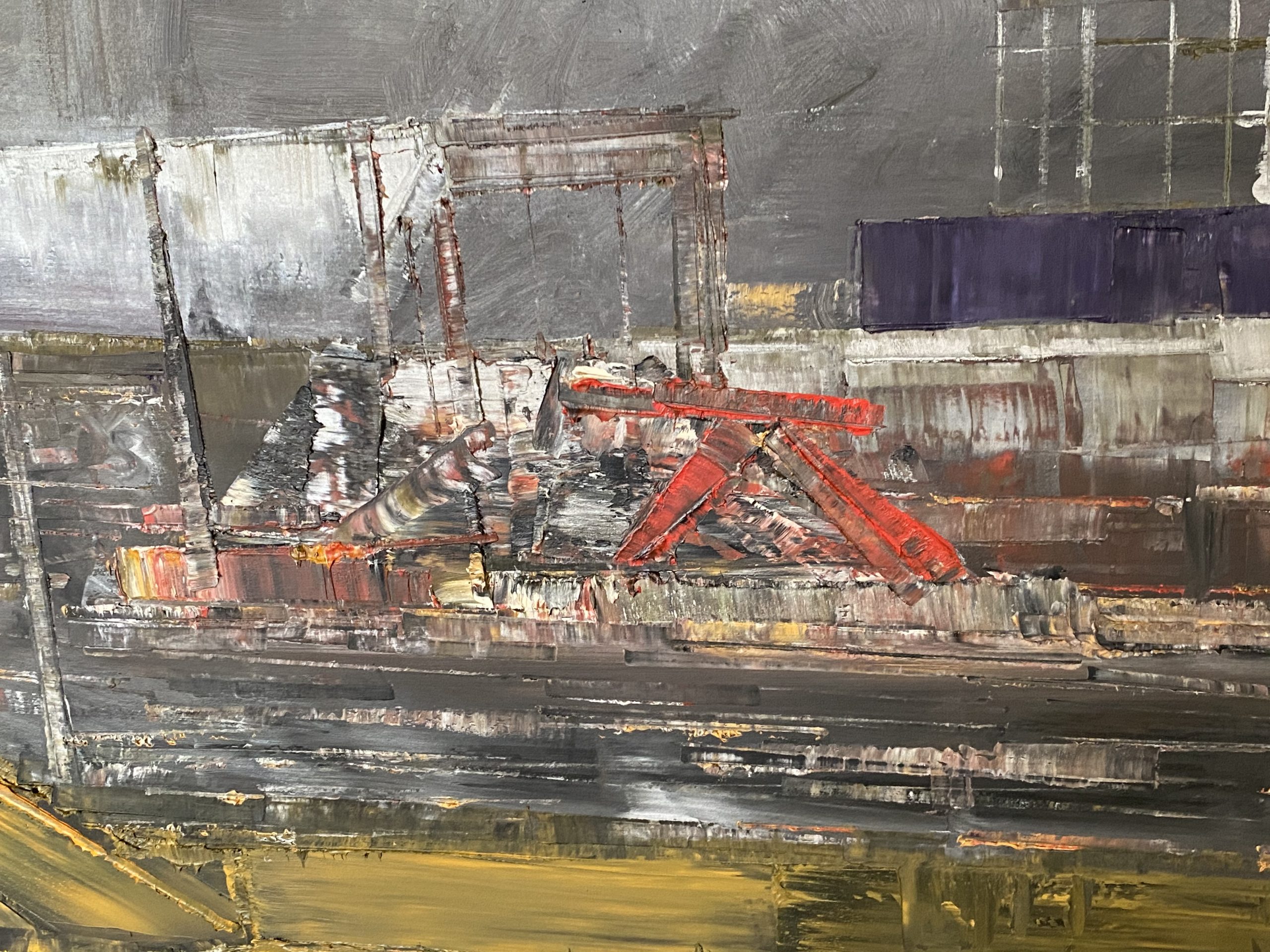
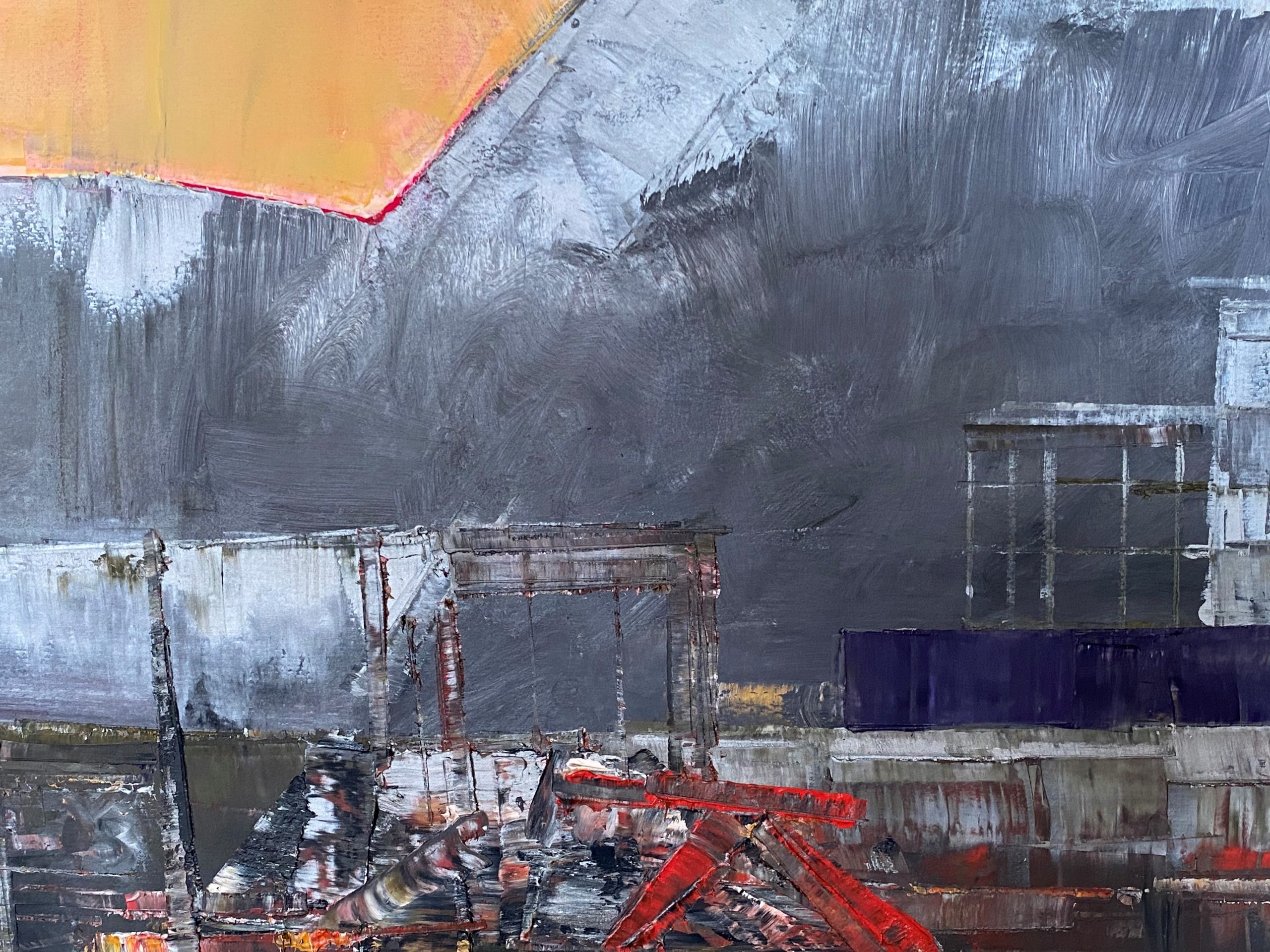
Ultrasilvania represents an important moment, marking the evolution of the artist on the axis of an abstract painting of a lyrical nature. The whole series, made up in a distinct artistic manner, like all the important stages of his creation, outline a form of an assumed, both aesthetically and affectively, understanding not just of a place, but more of a mood. Conceived between 2013-2014, despite favoring the non-figurative as type of image, developing on the coordinates of action abstraction, it could essentially be subsumed to the same mythology compellingly assumed by the painter: “The Ultrasilvania project reconciles the historical genre of landscape with the contemporary painting. The ultra- particle carries a semiotic overcharge – something ‘beyond’, ‘further’, in a dense and purged form.” It is more than a confession, it is a testimony designed as integral part in the exhibition of this cycle, of great relevance being, from this point of view, the title per se. By approaching such a local-cultural idiom, whose identity has almost vanished from the current artistic landscape, Ioan Aurel Mureșan affirms his option to escape the trap of a “here” and “now, which has invaded with stereotypical clichés the contemporary artistic discourse. He proposes a restauration of the status of the painter, relying on the unostentatiously manifested quality of the aesthetical element and the affective dimension. The artist has felt, perhaps, the need of a re-situation in relation to his creation from the ‘80s, deeply impregnated with visual forms characteristic to neo-expressionism, bearing a powerful protesting fingerprint. The compositions with spectral, twisted forms, remarkably intertwined with text messages embedded in the painterly surface have generated truly emblematical artworks for that historical moment. Magda Cârneci includes him in the category of the neo-expressionists that build “personal mythologies equally fabulous and grotesque”. After the moment of 1989 was consumed, feeling the uselessness of carrying on this undertaking, the painter focused his attention on his own experiences, with the same intensity as in his visual discourses from the communist period.
The vitality of the current landscapes, created with thick paste and the palette knife, follows, contrary to any appearance, a rigorous pattern, grounded on a visual language whose abstract dominant often perpetuates the landmarks, more suggested than concrete, of a figurative discourse. The suggestion of a road or a railway, beneficially dividing the painterly surface, of some trees nervously sgraffito-ed from the thickness of the matter, imposing a good dynamic to the landscape, or the series of constructions that punctuate the line of the horizon are all indications of the artist’s choice of holding something from the epic substance of the image. It is a figurative art that is more imagined than translated into practice, seeking not to identify the space, but to confer it a personality, to facilitate the recognition of the subject he sets himself to explore. Many of the artworks, conceived in a plunged perspective, contain faint figurative clues inserted in the composition, designed to order the painterly surface. The most frequent and highlighted element is nevertheless the way/the trip – whether it’s a road, a trail, a footpath or, most probably, a railway. The drawing, made with the handle of the paintbrush or the palette knife, in thickly laid paste, sets the dynamic of rhythm in which each artwork is conceived. The powerful suggestion of the gesture, backed by a chromatic palette closed to that of Transylvanian expressionists, generate the tensed effect of the composition. The dramatism of his painterly expression starts a dialogue over time with that of Țuculescu’s painting from the ’60s, both resorting to pasted surfaces, a pathetical gesture, and a chromatic violence. Nevertheless, going beyond the shell of things, we find a shared inner vibration, hard to be missed by the trained eye.
Ioan Aurel Mureșan builds his visual path like an avatar of the alterity of his own self, which grants him a privileged position in the Romanian contemporary artistic landscape.